 24 X 7 online support
  Contact Us Free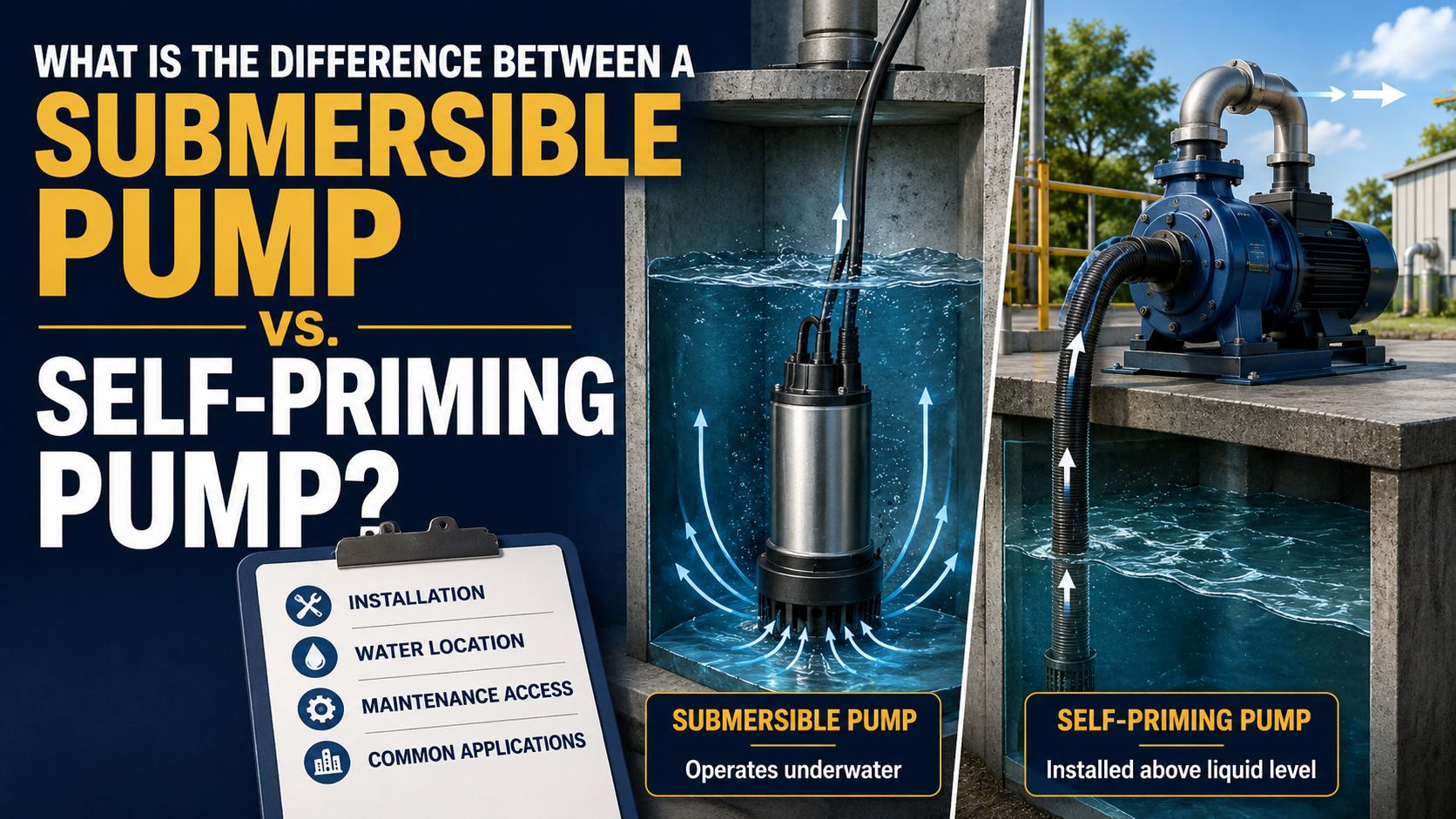
Submersible Pump vs Self-Priming Pump: Which Water Pump Is Better for Your Application?
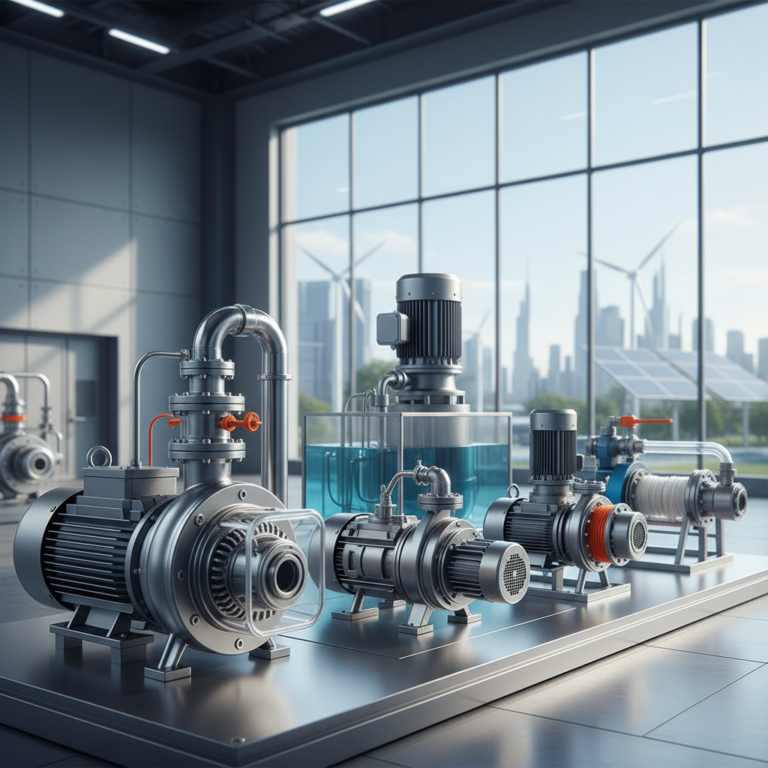
A submersible pump operates fully submerged underwater with an integrated motor and impeller, whereas a self-priming pump sits above ground and uses a priming chamber to eliminate air from the suction line. The fundamental difference lies in pump installation location: submersible pumps work underwater, eliminating priming requirements, while self-priming pumps remain accessible on the surface and automatically evacuate air during startup. According to industry standards (Hydraulic Institute, 2024), submersible pumps dominate deep well applications exceeding 25 feet, while self-priming pumps excel in shallow suction scenarios requiring frequent maintenance access.
How Does a Submersible Pump Work Differently from a Self-Priming Pump?

Submersible pumps utilize a sealed electric motor directly coupled to a centrifugal pump impeller, positioned entirely below the water surface. The pump housing encloses the motor in waterproof casing with mechanical seals preventing liquid intrusion. According to pump design principles, the surrounding water provides motor cooling through convection, eliminating the need for external coolant systems. The impeller draws water through the bottom intake and pushes it upward through the discharge line using centrifugal force generated by the rotating pump shaft.
Self-priming pumps employ a different pumping mechanism, combining a standard centrifugal pump with a specially designed priming chamber above the volute. During the priming process, residual water in the chamber mixes with incoming air from the suction line, creating a vacuum that evacuates air and establishes flow. The pump operation principle relies on a check valve at the suction inlet preventing backflow, while an air release valve allows separated air to escape. Unlike conventional surface pumps, self-priming pumps eliminate manual priming after initial setup.
The operating point differs significantly between pump types due to NPSH requirements. Submersible pumps experience positive suction head from water pressure above them, virtually eliminating cavitation risks. Self-priming pumps must overcome suction lift, limiting vertical distance to approximately 25 feet for standard single-stage pump configurations. Multi-stage pump designs extend this capability but increase power consumption and system complexity.
What Are the Installation Requirements and Depth Capabilities?
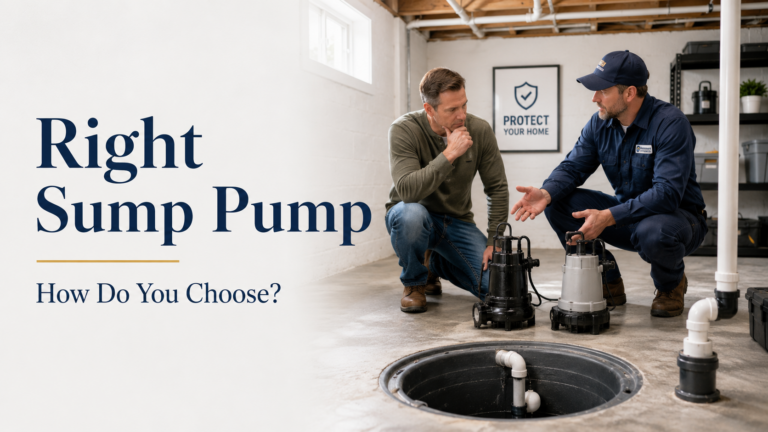
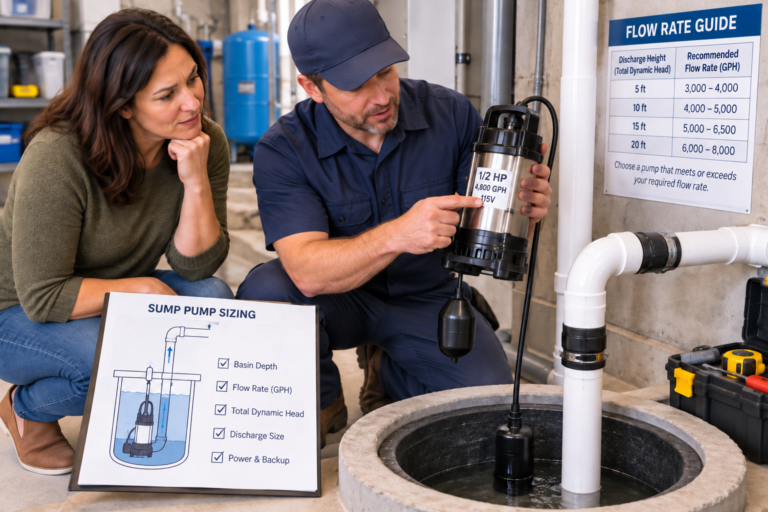
Submersible pump installation requires full submersion in a pump pit, wet well, cistern, or water well with minimum submersion requirements typically ranging from 6 to 12 inches above the pump intake. The pump depth rating varies by model, with residential units rated to 400 feet and industrial electric submersible pumps certified for depths exceeding 1,000 feet. Installation demands waterproof cable connections, proper pump suspension using safety cables, and adequate pump chamber diameter (typically 4 inches minimum for 4-inch submersibles).
Installation difference submersible vs self-priming pump centers on accessibility. Self-priming pump installation positions the pump above ground on a stable pump control panel mounting or concrete pad, connected to the water source via suction pipe. The maximum suction lift for self-priming pumps ranges from 15 to 28 feet depending on atmospheric pressure, elevation, and friction loss. A foot valve at the suction line end prevents prime loss between operating cycles. The pump installation cost typically runs 30-40% lower for self-priming configurations due to simpler setup procedures and elimination of below-ground access requirements.
According to pump installation requirements (ASME standards, 2024), submersible pumps need well diameters exceeding pump body diameter by 1-2 inches minimum, complicating retrofits in existing wells. Self-priming pumps require only horizontal space and weather protection, making them ideal for pump stations with multiple pumps requiring service rotation.
| Feature | Submersible Pump | Self-Priming Pump |
|---|---|---|
| Installation Location | Fully submerged underwater in pump basin or well | Above ground on surface near water source |
| Priming Requirement | No priming needed; water surrounds impeller | Self-priming ability after initial fill; automatic air evacuation |
| Depth Capability | 25-1000+ feet depending on horsepower and stages | Maximum suction lift 15-28 feet (shallow well applications) |
| Motor Cooling Method | Water-cooled via surrounding liquid | Air-cooled via external fan or ambient air |
| Maintenance Access | Requires pump removal from water for service | Direct surface access; immediate maintenance availability |
| Noise Level | Virtually silent; water dampens sound | Moderate to loud (45-75 dB) during operation |
| Pump Efficiency Rating | 75-85% typical for quality units | 65-75% due to suction lift energy requirements |
| Initial Cost | $400-$3,000 depending on pump capacity and depth rating | $250-$1,500 for comparable flow rate specifications |
Which Pump Offers Better Efficiency and Hydraulic Performance?
Submersible pump efficiency ratings consistently exceed self-priming pump performance by 8-15% according to pump testing data (DOE, 2024). The efficiency comparison submersible and self-priming pump reveals that submersibles eliminate suction lift energy losses since water pressure assists flow initiation. A typical 1.5 HP submersible pump delivers 30 GPM at 150 feet total dynamic head while consuming 1,380 watts, whereas a comparable self-priming pump requires 1,680 watts for identical output, representing 22% higher energy consumption.
The pump curve characteristics differ substantially between types. Submersible pumps maintain stable flow rate across varying pump head conditions due to positive suction conditions. Self-priming pump cavitation issues emerge when suction lift approaches maximum limits or when pump discharge pressure fluctuates rapidly. Cavitation damages the impeller, bearing, and pump shaft through erosive bubble collapse, reducing pump longevity by up to 50% in severe cases.
Hydraulic performance advantages favor submersibles in variable-demand applications. Pressure switch activation responds faster with submersibles since no air re-priming occurs between cycles. Self-priming pumps require 15-45 seconds for prime establishment after shutdown, limiting cycle frequency to prevent motor overheating. This delay impacts applications requiring immediate pressure response, such as irrigation systems with automated zone control.
Cost Difference Between Submersible and Self-Priming Pump Systems
The pump cost comparison encompasses purchase price, installation expenses, and operational costs over the pump lifespan. Submersible pumps command 40-60% higher initial purchase prices, with a 1 HP deep well unit costing $600-$900 versus $350-$550 for equivalent self-priming models. However, submersible pump installation cost advantages offset this premium in deep well scenarios. Installing a submersible in an existing well costs $400-$800, while drilling access for surface pump suction pipes adds $2,000-$5,000 to shallow well installations.
Energy consumption submersible vs self-priming pump over 10 years reveals significant differences. A submersible pump operating 4 hours daily at 1.2 kW costs approximately $210 annually at $0.12/kWh, totaling $2,100 over a decade. The same application using a self-priming pump consuming 1.5 kW costs $262 annually or $2,620 over 10 years. The $520 difference partially recoups higher submersible purchase costs.
Submersible pump repair cost averages $300-$600 for seal replacement versus $150-$300 for self-priming pump seal and bearing service. However, submersible pump repair requires pump removal, adding $200-$400 labor charges. Self-priming pump maintenance access enables DIY repairs, reducing lifetime service costs by approximately 35% according to pump maintenance data.
Maintenance Requirements: Submersible vs Self-Priming Pump Accessibility

The easiest pump to maintain submersible or self-priming question consistently favors self-priming configurations. Pump accessibility determines service frequency and cost. Self-priming pumps allow immediate inspection of the mechanical seal, bearing, impeller, and pump casing without system shutdown or component removal. Routine pump maintenance includes quarterly lubrication system checks, annual seal inspection, and bearing replacement every 3-5 years.
Submersible pump maintenance access requires complete pump extraction from the well or sump basin using lifting equipment. This process demands 2-4 hours labor plus equipment rental costs of $150-$300. According to pump reliability studies, submersible pumps compensate for difficult access through longer service intervals. Quality submersible units operate 7-12 years before requiring major service, whereas self-priming pumps typically need bearing replacement every 4-6 years.
Pump troubleshooting differs substantially. Self-priming pump failure causes include prime loss (40% of issues), seal leakage (30%), and bearing failure (20%). Diagnosis requires simple visual inspection and pressure testing. Submersible pump seal failure manifests only through reduced performance or motor overheating, necessitating electrical testing and flow measurement for diagnosis.
Common Applications: When to Use Submersible Pump vs Self-Priming Pump
Best Pump for Deep Well Applications
Submersible pumps dominate deep well water supply exceeding 25 feet due to physical limitations of suction lift. A 4-inch submersible pump placed at 150-foot depth delivers consistent pressure for residential or agricultural use. The pump for deep well submersible or self-priming choice becomes obvious: self-priming technology cannot overcome atmospheric pressure limitations preventing suction beyond 28 feet. Deep well submersibles operate at depths to 1,000 feet using multi-stage centrifugal designs, delivering adequate flow rate for high-demand applications.
Best Pump for Shallow Well and Surface Water
Self-priming pumps excel in shallow well pumping systems, reservoir transfer, and pond pump applications where water sources exist within 20 feet of the surface. Installation simplicity and maintenance accessibility justify their use despite slightly lower pump efficiency. A 1.5 HP self-priming pump handles typical residential demands of 15-20 GPM at 40 PSI from wells 15-20 feet deep. The submersible vs self-priming pump comparison for shallow applications reveals that self-priming units cost 45% less when considering installation and long-term maintenance.
Submersible Pump for Sewage vs Self-Priming Pump
Sewage and effluent pump applications favor submersible configurations with grinder pump or trash pump capabilities. Submersible sewage pumps handle solid handling requirements up to 2 inches, operating reliably in harsh environments. Self-priming pumps require external strainer systems and frequent cleaning when pumping effluent, limiting their sewage applications to pre-filtered waste streams.
Submersible Pump for Irrigation vs Self-Priming Pump
Irrigation pump selection depends on water source depth and system pressure requirements. Submersible turbine pumps deliver high flow rates (100-500 GPM) for agricultural irrigation from deep wells, while self-priming booster pumps pressurize existing surface water sources. The pump for irrigation consideration includes cycle frequency: self-priming pumps tolerate frequent starts better than submersibles due to easier motor cooling during idle periods.
Submersible Pump for Dewatering vs Self-Priming Pump
Construction dewatering and drainage pump applications utilize both types depending on site conditions. Submersible utility pumps handle excavation dewatering where portability and quick deployment matter more than efficiency. Trash pumps with self-priming ability suit surface water removal where debris concentrations require frequent strainer cleaning. Submersible pumps pump solids more effectively but risk clog-related damage without proper screening.
Submersible Pump Advantages and Disadvantages
Advantages of Submersible Pump Over Self-Priming Pump
- Elimination of Priming Requirements: Water surrounding the impeller ensures instant operation without air evacuation delays
- Superior Depth Capability: Operates reliably at depths exceeding 1,000 feet where suction-based systems fail
- Higher Pump Efficiency Rating: 75-85% efficiency versus 65-75% for self-priming units due to positive suction pressure
- Minimal Noise Level: Water dampens pump vibration and motor noise, producing virtually silent operation
- Cavitation Prevention: Positive NPSH eliminates cavitation damage extending pump longevity
- Compact Installation Footprint: Requires no above-ground pump house or weather protection
- Freeze Protection: Underwater installation prevents freeze damage in cold climates
Disadvantages of Submersible Pump Compared to Self-Priming Pump
- Difficult Maintenance Access: Requires complete pump removal for inspection and repair
- Higher Initial Cost: Purchase price averages 40-60% above comparable self-priming units
- Limited Pump Repair Options: Underwater seal failure requires professional extraction and service
- Electrical Safety Concerns: Waterproof connections and voltage requirements demand professional installation
- Minimum Submersion Requirements: Insufficient water depth causes motor overheating and failure
- Cooling Dependency: Motor relies on water temperature and flow for cooling; hot water reduces pump capacity
Self-Priming Pump Advantages and Disadvantages
Key Advantages
- Immediate Maintenance Accessibility: Surface installation enables inspection without system shutdown
- Lower Purchase Cost: Initial investment 40-60% below equivalent submersible pumps
- DIY Repair Capability: Simple maintenance procedures reduce service costs
- Visual Operation Monitoring: Pressure gauges and flow observation aid troubleshooting
- Flexible Installation Options: Portable configurations suit temporary pumping applications
- No Minimum Water Level: Operates effectively as water sources drain to the intake level
Critical Disadvantages
- Suction Lift Limitations: Maximum depth restricted to 15-28 feet by atmospheric pressure
- Prime Loss Risk: Air leaks in suction lines cause prime loss requiring manual intervention
- Lower Efficiency: Energy losses from suction lift increase operational costs 15-25%
- Cavitation Vulnerability: Operating near maximum suction lift causes impeller damage
- Higher Noise Production: Surface operation generates 45-75 dB requiring sound insulation
- Weather Protection Needs: Requires pump house or shelter preventing freeze damage
- Larger Installation Footprint: Surface mounting demands accessible space and foundations
How to Choose Between Submersible and Self-Priming Pump: Decision Framework
Choose a submersible pump if:
- Water source depth exceeds 25 feet (deep well, cistern, or reservoir)
- Quiet operation matters (residential neighborhoods, noise-sensitive areas)
- Installation space above ground is limited or unavailable
- Freeze protection is critical (cold climate installations)
- Application involves sewage, effluent, or slurry requiring solid handling capability
- Long-term efficiency outweighs higher initial investment
- Professional maintenance services are readily available
Choose a self-priming pump if:
- Water source exists within 20 feet of pump location (shallow well, pond, tank)
- Frequent maintenance access is essential
- Initial budget constraints limit investment to under $1,000
- DIY repair capability matters for reducing service costs
- Application requires frequent pump inspection (chemical transfer, variable water quality)
- Temporary or portable pumping is needed (construction dewatering, emergency drainage)
- System includes multiple pumps requiring service rotation
According to pump selection criteria established by industry experts, the most reliable pump type submersible or self-priming depends on matching pump specifications to application demands. Submersible pumps deliver superior pump reliability in permanent installations with stable water sources, while self-priming pumps offer unmatched flexibility for variable-demand scenarios requiring regular service intervention.
Can a submersible pump be used as self-priming pump? No—submersibles require full water submersion and cannot generate suction from above the water surface. Conversely, can a self-priming pump replace a submersible pump? Only when water depth remains within the 25-foot suction lift limitation. The fundamental pumping mechanism difference prevents direct substitution without evaluating depth, efficiency, and maintenance requirements.