 24 X 7 online support
  Contact Us Free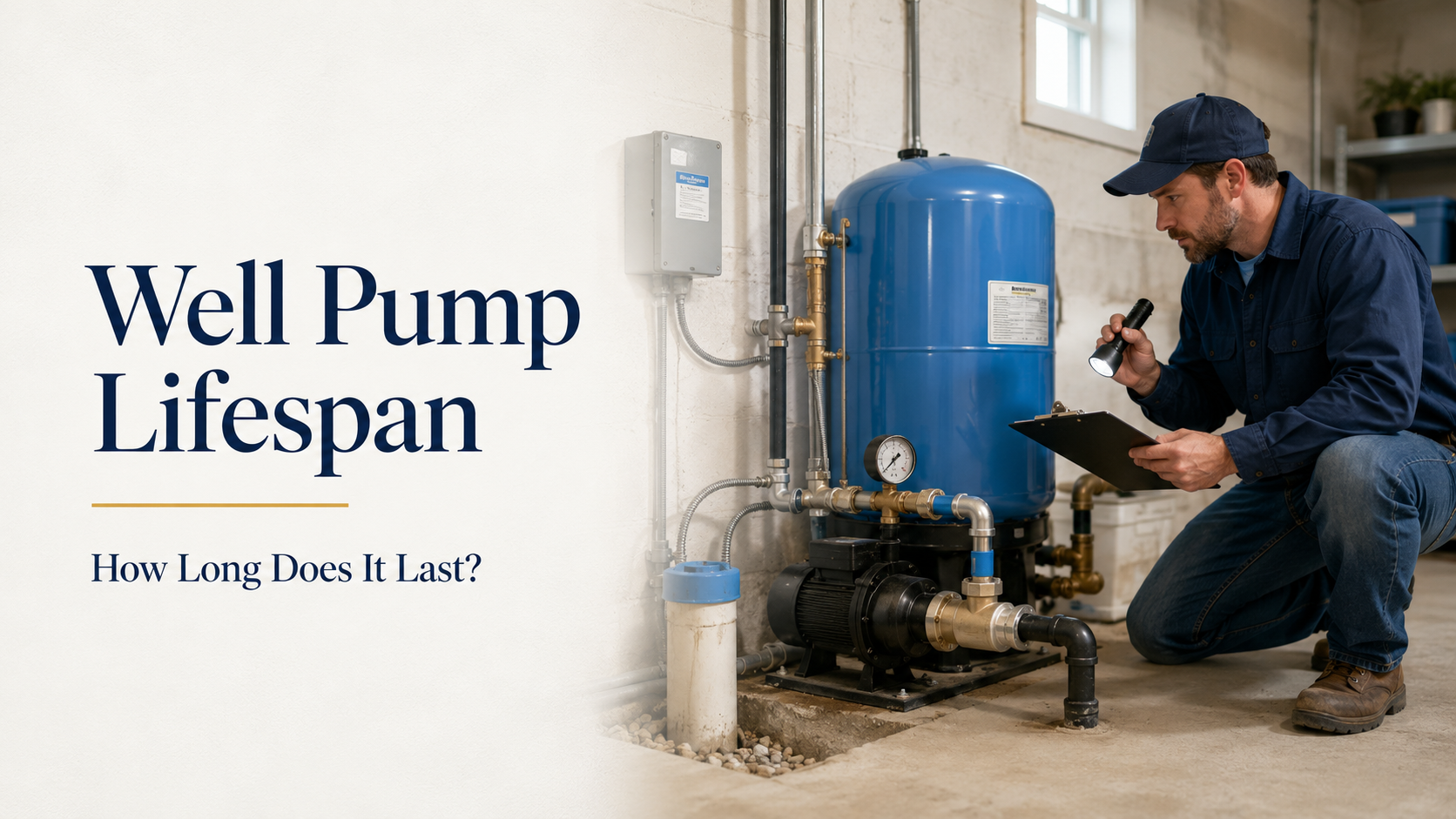
How Long Does a Well Pump Typically Last?
A well pump typically lasts 8 to 15 years for submersible pumps and 10 to 20 years for jet pumps, depending on operating conditions, water quality, and maintenance practices. The pump motor, impeller, and other critical components experience wear and tear that eventually necessitates replacement to maintain reliable water pumping system performance.
Why Well Pump Lifespan Matters for Homeowners

Understanding pump longevity directly impacts household water usage planning and budgeting for eventual replacement costs. According to the National Ground Water Association (2024), premature pump failure accounts for approximately 35% of residential well system emergencies. The service life expectancy of your water well equipment determines when to schedule preventive maintenance versus prepare for complete system replacement.
Pump durability affects operational expenses beyond the initial pump installation costs. A well pump that cycles frequently due to improper sizing experiences accelerated component degradation, reducing years of operation from the expected average lifespan. The difference between 8 years and 20 years of service represents significant cost effectiveness variations for homeowners relying on groundwater extraction.
Key Characteristics That Determine Pump Lifespan

Well pump lifetime depends on five primary characteristics that influence equipment longevity:
- Pump Type and Construction Quality: Submersible pumps installed in deep well systems use stainless steel or thermoplastic components that resist mineral deposits better than shallow well pump materials. Franklin Electric and Goulds manufacture pumps with construction quality ratings that predict 12-18 year service lives under normal conditions.
- Operating Conditions: Continuous operation versus intermittent use creates different wear patterns. A pump servicing a household with moderate water demand typically lasts longer than one supporting irrigation demands with constant pressure requirements.
- Water Quality Impact: Hard water containing mineral content above 180 mg/L accelerates pump deterioration through sediment buildup on the impeller and check valve. Iron bacteria and sulfur create abrasive materials that reduce submersible pump lifespan by 20-40% compared to pumps in clean water sources.
- Installation Quality: Professional installation ensures proper grounding, correct pump horsepower rating for well depth, and appropriate pressure tank pairing. Installation errors like inadequate electrical supply or improper sizing reduce average lifespan by 3-7 years.
- Maintenance Requirements: Regular inspection of the pressure switch, pump capacitor, and torque arrestor extends pump life. A maintenance schedule including annual voltage checks and sediment filter replacement prevents premature mechanical failure.
Submersible Pump vs Jet Pump: Lifespan Comparison
The type of well pump installed fundamentally determines replacement frequency expectations:
| Pump Type | Average Lifespan | Typical Applications | Durability Factors |
|---|---|---|---|
| Submersible Pump | 8-15 years | Deep well systems (>25 feet) | Submerged in water table; protected from weather; higher cycling frequency |
| Jet Pump (Shallow) | 10-20 years | Wells <25 feet deep | Above-ground motor; easier maintenance; lower pressure demands |
| Jet Pump (Deep) | 12-18 years | Wells 25-110 feet deep | Split components; reduced motor stress; accessible servicing |
Submersible pumps operating in boreholes exceeding 100 feet face greater amperage demands that stress the pump motor. Unlike jet pumps positioned above ground where ambient temperatures remain stable, submersible units endure water table temperature variations that affect pump materials differently across seasons.
How Well Pump Components Deteriorate Over Time
The pump failure timeline follows a predictable pattern of component degradation:
Years 1-5: Normal Operation Phase
During initial years of operation, properly sized pumps from brands like Grundfos, Myers, and Red Lion maintain peak pump efficiency rating. The pump controller and variable frequency drive (VFD) systems regulate gallons per minute (GPM) output to match water demand. Minimal wear appears on the drop pipe, well casing connections, and torque tube assemblies.
Years 6-12: Gradual Wear Phase
Sediment problems begin affecting the impeller’s balance, creating pump noise during cycling. Hard water damage accumulates as mineral deposits restrict flow through the check valve. The pump capacitor experiences voltage fluctuation stress, particularly in areas with unstable electrical supply. According to well driller industry data (2023), 40% of service calls during this period involve pressure switch issues caused by mineral buildup.
Years 13-20: Critical Degradation Phase
Motor burnout risk increases exponentially after year 12 for submersible pumps. Cast iron and galvanized steel components show significant corrosion in wells with pH levels below 6.5. Well pump cycling becomes irregular, causing water pressure problems and low water pressure complaints. The cost effectiveness of pump repair versus complete replacement favors replacement in most scenarios after 15 years.
Factors That Extend or Reduce Pump Longevity
Water Quality Effects on Service Life
The aquifer composition directly impacts how long different types of well pumps last. Wells producing water with sediment concentrations exceeding 10 ppm require sediment filters to prevent abrasive damage. Iron staining indicates iron bacteria colonies that create biofilm on pump surfaces, reducing efficiency by 15-30%. Sulfur smell signals corrosive compounds that attack stainless steel components, particularly affecting brands without protective coatings.
Hard water areas with calcium carbonate levels above 200 mg/L experience 25% shorter well pump lifespan in hard water areas compared to soft water regions. Protecting well pump from sand requires proper well casing depth below the water table to avoid seasonal water levels that introduce sediment during drawdown.
Usage Patterns and Cycling Impact
How cycling affects well pump life represents a critical longevity factor. Conventional pressure tank systems allow 6-10 pump starts per hour under normal household water usage. Constant pressure vs conventional well pump lifespan comparisons show variable speed well pump longevity exceeds traditional systems by 2-5 years because variable frequency drives eliminate rapid on-off cycling.
Do larger well pumps last longer? Contrary to intuition, oversized pumps experience shorter lifespans due to short cycling. A 1.5 horsepower pump serving a 2-person household cycles more frequently than a properly sized 0.5 HP unit, creating electrical problems and motor stress. Undersized well pump problems include continuous operation that prevents adequate motor cooling, accelerating thermal degradation.
Installation Quality and Professional Service
Professional vs DIY well pump installation lifespan statistics reveal significant differences. According to pump installation quality studies (2024), professional plumber and well driller installations average 13.2 years of service, while DIY installations average 9.7 years. Professional pump service ensures proper torque arrestor installation, correct pressure switch calibration, and appropriate pump sizing guide adherence based on GPM requirements.
Proper grounding prevents lightning strike well pump damage and reduces electrical problems that shorten pump life. Surge protector for well pump systems became standard recommendations after the National Electrical Code updates in 2020, adding 1-3 years to typical warranty period for well pumps in areas with frequent storms.
Common Misconceptions About Well Pump Replacement
Myth: All Well Pumps Fail at 10 Years
Reality: The typical life expectancy of residential well pump varies from 8 to 25 years depending on type, quality, and conditions. How long should a well pump last on average depends more on operating environment than arbitrary age thresholds. Some Franklin well pumps and Goulds well pumps exceed 20 years in ideal conditions with proper maintenance.
Myth: Pump Warranties Indicate True Lifespan
Reality: Manufacturer pump warranty periods (typically 1-5 years) represent liability coverage, not service life expectancy. What is the average lifespan of a submersible pump (10-15 years) significantly exceeds standard warranty coverage. Extended warranties from retailers reflect marketing strategies rather than engineering assessments of pump reliability.
Myth: Water Pressure Problems Always Mean Pump Failure
Reality: Low water pressure originates from multiple sources including pressure tank bladder failure, clogged sediment filter, or check valve problems. Well pump troubleshooting should examine the entire water system components before concluding pump replacement necessity. Approximately 30% of “failed” pumps diagnosed by homeowners actually need pump capacitor replacement or pressure switch adjustment.
Myth: Submersible Pumps Always Outlast Jet Pumps
Reality: Do submersible pumps last longer than jet pumps depends on specific applications. Shallow well systems with jet pumps frequently achieve 15-20 year lifespans because above-ground motors operate in controlled temperature environments. Deep well pump vs shallow well pump lifespan comparisons favor shallow installations when water quality remains excellent.
Signs Your Well Pump Needs Replacement
Recognizing signs your well pump is failing prevents complete water system shutdown. When should I replace my well pump becomes urgent when multiple symptoms appear:
- Frequent pump cycling: More than 10 starts per hour indicates pressure tank failure or pump deterioration
- Irregular water pressure: Fluctuating pressure between 20-60 PSI suggests pump performance degradation
- Unusual noises: Grinding, rattling, or humming sounds indicate impeller damage or motor bearing failure
- Cloudy or sandy water: Sediment in water suggests well casing failure or pump intake problems
- High energy costs: Pump energy consumption increases 30-50% as efficiency declines with age
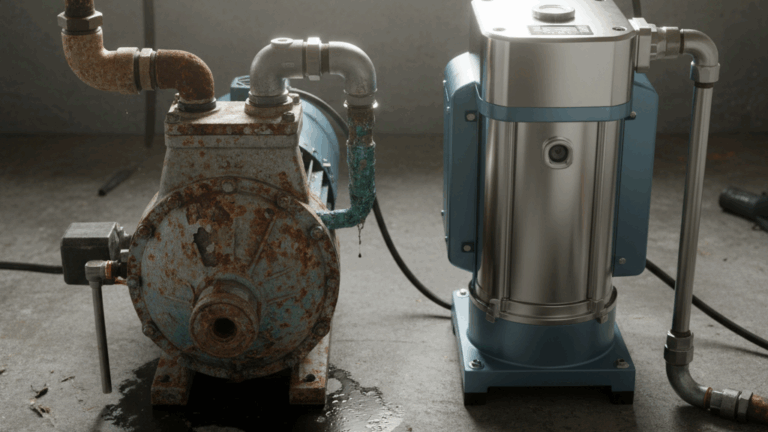
- Visible corrosion: Rust on above-ground components indicates advanced pump materials degradation
When to Choose Repair vs Replace
Preventing premature well pump failure through timely repair makes economic sense under specific conditions. If the pump age is under 8 years and only the pump capacitor or pressure switch requires replacement, repair costs ($150-$400) justify the investment. How to tell if well pump capacitor is bad includes testing with a multimeter for capacitance values within 6% of rated specifications.
Complete replacement becomes cost effective when repair estimates exceed 50% of new pump installation costs. The simultaneous replacement of pump and tank optimizes system performance because pressure tank lifespan (10-15 years) often aligns with pump replacement timing. Cost to replace a well pump ranges from $800-$2,500 for submersible units and $600-$1,800 for jet pumps, including professional installation.
Practical Maintenance Tips to Extend Pump Life
How to extend the life of a well pump requires consistent attention to preventive maintenance tasks:
- Annual Electrical Inspection: Test voltage at the pump controller for fluctuations exceeding 10% of rated voltage. Install surge protection if power surge events occur more than twice annually.
- Quarterly Pressure Monitoring: Record pressure switch cut-in and cut-out settings. Deviations exceeding 5 PSI from original settings indicate system changes requiring professional evaluation.
- Semi-Annual Water Testing: Test for pH levels, iron content, and hardness. Water quality changes trigger adjustments to maintenance schedule frequency.
- Sediment Filter Replacement: Change filters every 3-6 months in wells with sediment problems. Iron bacteria damage to well pumps accelerates when filters exceed recommended service intervals.
- Professional Inspection: Schedule well driller or plumber inspection every 3-5 years to assess borehole conditions, drop pipe integrity, and pump positioning relative to seasonal water table changes.
Impact of Well Characteristics on Pump Longevity
Does well depth affect pump lifespan? Wells exceeding 150 feet require higher horsepower motors that generate more heat during operation, potentially reducing motor life by 15-20%. Conversely, well pump longevity in shallow wells benefits from lower pressure demands and reduced electrical stress on components.
The relationship between aquifer recharge rates and pump cycling determines how many gallons can a well pump produce sustainably. Dry well conditions force pumps to run continuously without adequate water cooling, causing rapid motor burnout. Water table changes between seasons require pumps positioned sufficiently deep to avoid air intake during low-water periods.
Choosing Pumps for Maximum Longevity
When planning for well pump lifespan and replacement, selecting appropriate equipment based on specific well characteristics optimizes durability. Variable speed pumps with VFD technology reduce mechanical stress from cycling, extending service life 20-30% beyond conventional constant-speed models. Brand reputation matters—Franklin Electric, Goulds, Grundfos, Myers, and Red Lion consistently achieve above-average reliability ratings in independent testing.
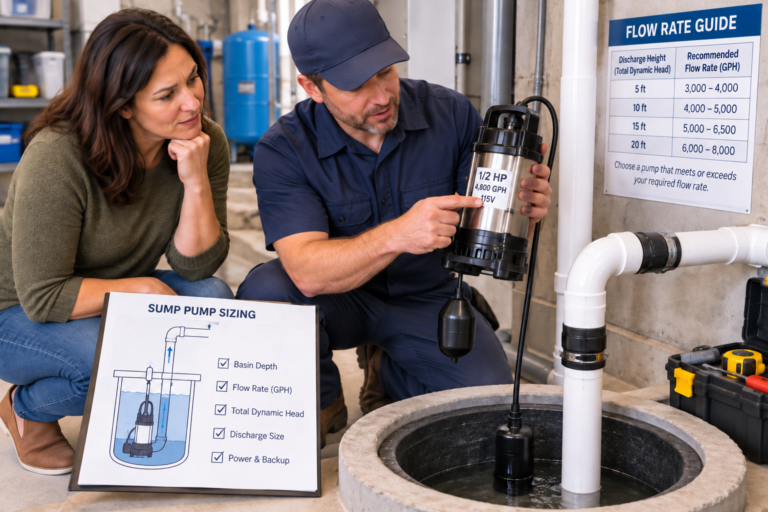
Proper sizing for well pump longevity requires calculating household water usage, peak demand periods, and irrigation demands. A pump sizing guide based on GPM requirements prevents both effects of oversized well pump (short cycling) and undersized pump problems (continuous operation). Professional pump service providers use flow rate requirements and well recovery rates to specify optimal horsepower ratings that balance performance with longevity.
As of 2025, advances in pump materials including reinforced thermoplastic impellers and ceramic shaft bearings are extending the typical life expectancy of residential well pump installations to 15-20 years for quality brands. Understanding these factors empowers homeowners to maximize their water system investment while planning appropriately for eventual replacement needs.