 24 X 7 online support
  Contact Us Free
What is a Duplex Pump System: Understanding Dual Cylinder Pumping Technology for Industrial Applications
In the world of industrial fluid handling and high-pressure applications, operational continuity stands as a non-negotiable requirement. When I first encountered what is a duplex pump system during my work in process engineering, I was immediately struck by its elegant solution to one of manufacturing’s most critical challenges: ensuring uninterrupted flow even during maintenance or equipment failure. This reliable pumping solution has become the backbone of countless industries, from water treatment facilities to oil field equipment operations.
A duplex pump system represents a sophisticated approach to positive displacement technology, incorporating two independent pumping units working in tandem to provide backup pumping capability and enhanced operational reliability. Unlike traditional simplex configurations, this dual pump setup offers redundancy that prevents catastrophic production stops and protects against costly downtime. Whether you’re managing chemical processing facilities or designing pressure boosting systems, understanding duplex pumping technology is essential for modern industrial operations.
Duplex Pump Systems Provide Essential Redundancy for Industrial Operations
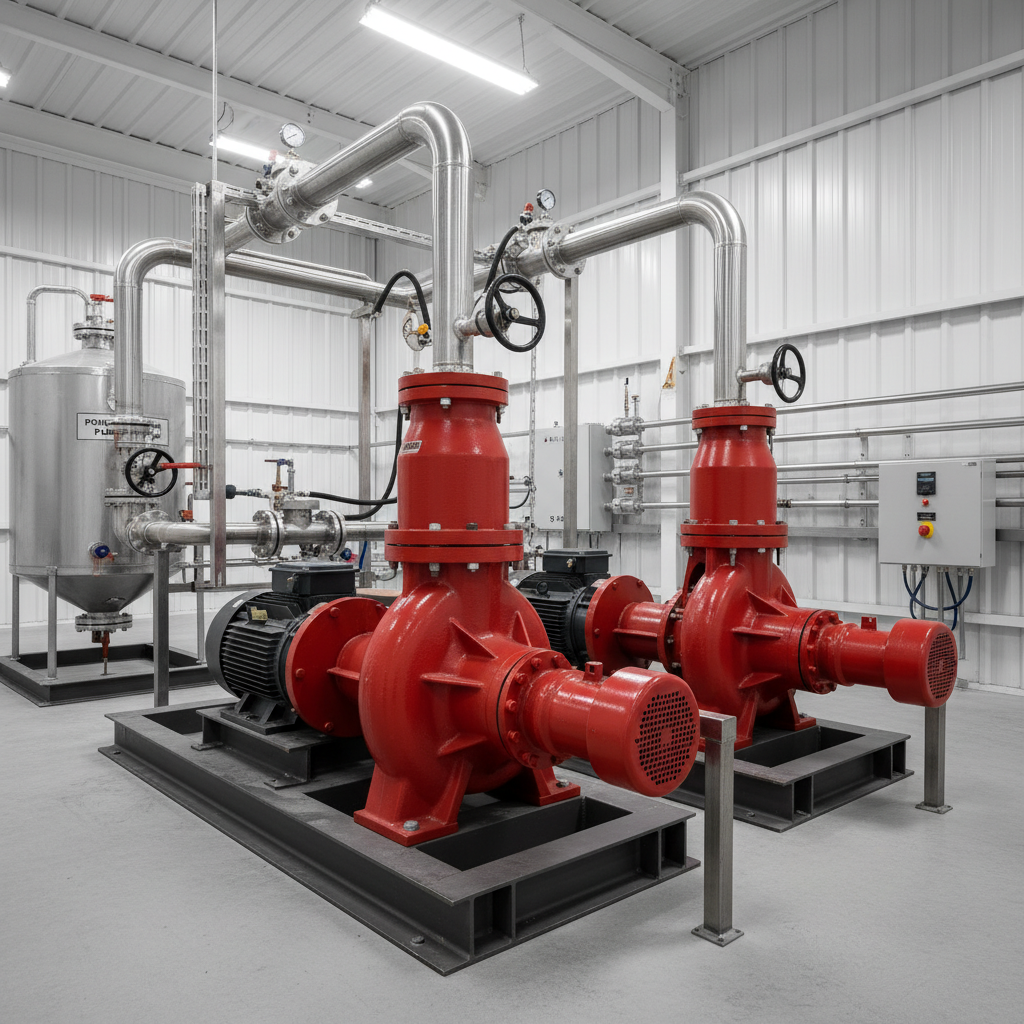
At its core, a duplex pump system consists of two complete pumping units—typically reciprocating pumps, plunger pumps, or piston pumps—installed within a single integrated assembly. These twin pump configurations operate through either duty-standby or duty-assist arrangements, where one pump serves as the primary unit while the second provides backup capability. This redundant pump design ensures that if one pump requires maintenance or experiences failure, the secondary unit automatically engages to maintain continuous operation.
The brilliance of this dual pump configuration lies in its ability to eliminate single points of failure within critical hydraulic systems. In duty-standby mode, the lead pump handles the entire workload while the lag pump remains on standby, ready to activate instantly when needed. Conversely, in duty-assist or parallel pump operation, both units run simultaneously to double the flow rate or manage demands that exceed a single pump’s capacity. This flexibility makes duplex systems invaluable across diverse industrial pump applications.
How Does the Automatic Pump Changeover Mechanism Work?
Modern duplex pump systems incorporate sophisticated control panels that monitor discharge pressure, flow rate, and operational parameters in real-time. When the controller detects pressure drops below setpoints or senses primary pump failure, it triggers an automatic pump changeover sequence. This switching mechanism typically activates the backup pump within seconds, maintaining system pressure and preventing process interruptions that could compromise production quality or safety.
The pump alternation strategy can also be programmed to rotate operation between pumps on scheduled intervals, ensuring both units receive equal runtime and preventing mechanical degradation from prolonged inactivity. This intelligent approach extends the maintenance schedule for both pumps while providing valuable operational data for predictive maintenance programs. Advanced duplex pump controllers can even enable manual override capabilities, giving operators complete control during commissioning or emergency situations.
Reciprocating Pumps Deliver Positive Displacement in Duplex Configurations
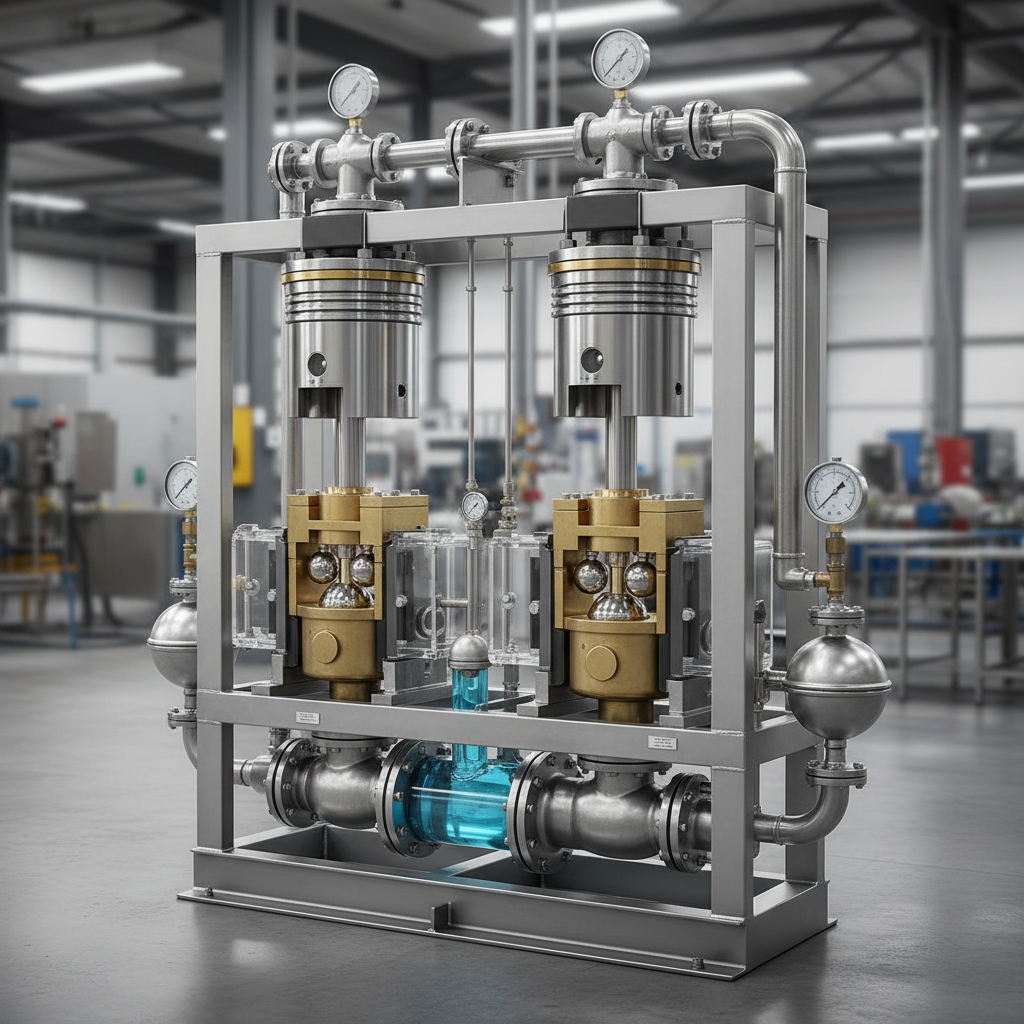
The majority of duplex pump systems utilize reciprocating displacement pump technology, particularly plunger type pumps and piston configurations, due to their exceptional performance in high pressure generation applications. These positive displacement pumps operate through mechanical pumping devices that use a crankshaft, connecting rod, and crosshead assembly to convert rotational motion from an electric motor or diesel engine into linear reciprocating motion. This drive mechanism pushes the plunger or piston through the pump cylinder, creating pressure differentials that draw fluid through suction valves and expel it through discharge valves.
Each pump in the duplex assembly features distinct power end and liquid end sections. The power end houses the drive system components including the gearbox, crankshaft, and connecting rods that generate mechanical force. Meanwhile, the liquid end contains the pump head, valve assembly with check valves, and packing seals or mechanical seals that contain the hydraulic fluid being pumped. This modular pump design enhances pump serviceability, allowing maintenance teams to replace worn components without disrupting the entire system.
What Components Make Up the Pump Cylinder Assembly?
The pump cylinder represents the heart of reciprocating pump operation, where actual fluid displacement occurs. Key specifications include bore diameter, which determines the cylinder’s internal dimension, and stroke length, which defines how far the plunger or piston travels during each cycle. These measurements directly influence the pump’s volumetric capacity and discharge pressure capabilities, making proper sizing crucial for application success.
Within the cylinder assembly, precision-engineered suction valves and discharge valves control fluid direction through one-way check valve mechanisms. During the suction stroke, reduced pressure opens the suction valve while the discharge valve remains closed, allowing hydraulic fluid to enter the cylinder. On the discharge stroke, increased pressure closes the suction valve and opens the discharge valve, forcing liquid into the discharge manifold. This alternating piston operation creates the characteristic pulsating flow that can be smoothed using pulsation dampeners in the pump manifold.
Industrial Pumps Serve Diverse High Pressure Applications Across Multiple Sectors
Duplex pump systems have become indispensable across numerous industries requiring reliable, high-pressure fluid handling. In oil field equipment operations, these heavy duty pumps handle abrasive fluid handling tasks including drilling mud circulation and enhanced oil recovery processes where continuous operation cannot be compromised. The backup pump configuration ensures that even in remote locations with limited maintenance resources, production continues uninterrupted.
Water treatment facilities represent another critical application domain, where duplex dosing pumps and duplex metering pumps precisely inject chemicals for disinfection and pH control. Chemical processing plants rely on duplex systems for corrosive liquid pumping and high viscosity pumping applications where process interruptions could result in product contamination or safety hazards. The chemical injection pump capabilities of duplex configurations enable precise control while maintaining the redundancy essential for regulatory compliance and operational safety.
Why Do Fire Protection Systems Require Duplex Pumping Units?
Fire protection applications demand the ultimate in pump reliability enhancement, making duplex configurations virtually mandatory in most jurisdictions. Building codes and insurance requirements typically specify redundant pumping capacity to ensure water availability during emergencies. The duty-standby pump arrangement guarantees that even if the primary pump fails during a fire event, the backup unit will immediately engage to supply life-saving water pressure to sprinkler systems and fire hoses.
Beyond regulatory compliance, the fail-safe pumping characteristics of duplex fire pump systems provide property owners with peace of mind and potentially significant insurance premium reductions. Testing protocols require regular alternation between pumps to verify both units remain operational, creating maintenance-friendly pump scenarios where technicians can service one pump while the other maintains protective coverage. This operational continuity proves invaluable in hospitals, high-rise buildings, and industrial complexes where fire safety cannot be compromised.
Pump Efficiency and Performance Parameters Define System Selection
Selecting the appropriate duplex pump system requires careful analysis of multiple performance specifications and operational requirements. The pump curve, which graphs flow rate against discharge pressure, provides essential data for matching pump capabilities to application demands. Engineers must calculate required flow rates, maximum discharge pressures, and available suction pressure while accounting for NPSHr (Net Positive Suction Head required) to prevent cavitation damage that could compromise pump longevity.
Energy consumption and pump efficiency ratings significantly impact operational costs over the system’s lifespan, particularly in continuous duty applications. Modern duplex pump packages may incorporate variable frequency drives (VFD) that adjust motor speed to match demand, reducing energy consumption during low-flow periods. When evaluating duplex pump system cost comparison data, decision-makers should consider total lifecycle expenses including installation requirements, maintenance costs, energy usage, and expected pump downtime reduction benefits rather than focusing solely on initial purchase price.
How Do Triplex Pumps Compare to Duplex Configurations?
While duplex systems utilize two pumping units, triplex pumps employ three plungers or pistons within a single pump head, creating a fundamentally different approach to flow smoothing and pressure generation. Triplex pumps produce more consistent flow with approximately 94% flow uniformity compared to the more pulsating output of simplex or duplex single-cylinder units. However, triplex pumps lack the inherent redundancy system advantages that make duplex configurations ideal for critical applications.
The choice between duplex and triplex technologies depends on application priorities. If your operation values operational reliability and backup capability above flow smoothness, a duplex pump system provides superior protection against downtime. Conversely, if your process requires exceptionally smooth flow with minimal pulsation dampener requirements and redundancy is less critical, a single triplex pump might deliver better pump efficiency and lower initial costs. Some sophisticated installations even combine both approaches, using duplex triplex pump configurations for maximum reliability and flow quality.
Maintenance Schedule Optimization Extends Duplex Pump System Lifespan
One of the most compelling advantages of duplex pump system operations involves enhanced maintenance accessibility and pump downtime reduction. Traditional single-pump installations require complete system shutdowns for routine service, creating production interruptions and forcing operations to work around maintenance windows. Duplex configurations eliminate this constraint by allowing technicians to service one pump while the other maintains full operational capacity, enabling true maintenance-friendly pump operations without process disruption.
Preventive maintenance programs for duplex systems should include regular inspection of packing seals or mechanical seals, valve assembly components including check valves, and power end lubrication systems. The alternating operation strategy naturally distributes wear across both pumps, extending component lifespan and creating predictable replacement intervals. Smart operators maintain comprehensive inventory of critical duplex pump parts including spare valve sets, seal kits, and pump cylinder assemblies to minimize repair time when component replacement becomes necessary.
What Are the Most Common Duplex Pump Troubleshooting Issues?
Despite their reliability, duplex pump systems occasionally experience operational challenges that require systematic troubleshooting. Loss of prime represents the most frequent issue, typically caused by air infiltration through damaged suction-side seals, inadequate suction pressure, or check valve failures that allow backflow. Technicians should verify that suction piping maintains proper vacuum levels and inspect all seal surfaces for degradation that might compromise the positive displacement mechanism.
Excessive vibration or noise often indicates valve problems, particularly worn or improperly seated discharge valves and suction valves that fail to seal completely. The pressure relief valve should be tested to ensure it opens at the correct setpoint, protecting the system from overpressure conditions. Cavitation damage, characterized by eroded surfaces and unusual noise, signals insufficient NPSHr and requires suction system modifications to increase available suction head. Regular monitoring through the duplex pump monitoring system allows early detection of performance degradation before minor issues escalate into catastrophic failures.
Duplex Pump System Design Considerations Ensure Optimal Performance
| Design Parameter | Considerations | Impact on Performance |
|---|---|---|
| Motor Drive Selection | Electric motor vs. diesel engine | Affects energy costs, maintenance needs, and location flexibility |
| Pump Manifold Configuration | Common discharge vs. isolated systems | Influences switching speed and flow smoothness |
| Control Panel Sophistication | Basic alternation vs. intelligent monitoring | Determines automation level and diagnostic capabilities |
| Pulsation Management | Dampener size and placement | Affects flow stability and piping system stress |
Proper duplex pump installation requires careful attention to foundation design, piping configuration, and electrical integration. The pump station must provide adequate space for maintenance access to both pumps, with consideration for component removal during major overhauls. Vibration isolation pads or mounting systems protect building structures from the reciprocating forces inherent in plunger and piston pump operation, while properly designed suction piping minimizes friction losses that could reduce available NPSHr.
Environmental factors also influence design decisions, particularly in outdoor installations or harsh industrial environments. Temperature extremes may require heated enclosures or cooling systems to maintain optimal hydraulic fluid viscosity and protect sensitive electronic controls. Corrosive atmospheres necessitate specialized coatings and material selections for exposed components, while explosion-hazard locations demand certified electrical components and proper ventilation. These duplex pump design considerations, though sometimes overlooked during initial planning, significantly impact long-term reliability and operational costs.
Comparing Duplex Pump System Configurations and Operating Modes
Duplex pump systems can be configured in several distinct operating arrangements, each offering specific advantages depending on application requirements. The duty-standby configuration, also called lead-lag pump system operation, keeps one pump active while the other remains on standby, ready to activate upon demand or failure of the primary unit. This approach maximizes individual pump lifespan through reduced runtime while ensuring instant backup capability for critical processes that cannot tolerate any flow interruption.
Alternatively, duty-assist or parallel duplex pump operation runs both pumps simultaneously to achieve flow rates beyond single-pump capacity or to share the workload equally. This synchronized pumping approach distributes mechanical stress across both units and provides inherent redundancy since either pump alone can maintain partial system operation if the other fails. Some advanced systems employ adaptive strategies that automatically switch between duty-standby and duty-assist modes based on real-time demand, optimizing both pump capacity doubling during peak periods and energy conservation during low-demand intervals.
Which Industries Benefit Most from Duplex Pump Technology?
- Oil and Gas Sector: Enhanced oil recovery, pipeline boosting, and hydraulic fracturing operations require the reliable high-pressure pumping that duplex systems deliver
- Water and Wastewater Treatment: Municipal facilities depend on continuous operation for public health and regulatory compliance, making redundancy essential
- Chemical Manufacturing: Process reliability and precision chemical injection capabilities prevent batch contamination and safety incidents
- Food and Beverage Processing: Sanitary duplex systems maintain production schedules while allowing CIP (clean-in-place) procedures on alternating pumps
- Power Generation: Boiler feed applications and cooling water circulation cannot tolerate interruptions without triggering costly shutdowns
- Mining Operations: Dewatering and slurry transfer in remote locations benefit from backup capability when immediate repair services are unavailable
Future Trends in Duplex Pumping Technology and Automation
The evolution of duplex pump automation continues to advance through integration with Industrial Internet of Things (IIoT) platforms and predictive analytics. Modern duplex pump monitoring systems collect real-time data on vibration signatures, temperature profiles, discharge pressure patterns, and energy consumption, transmitting this information to cloud-based analytics engines that identify emerging problems before component failure occurs. This condition-based maintenance approach transforms traditional time-based maintenance schedules into data-driven interventions that maximize component lifespan while minimizing unexpected downtime.
Smart duplex pump controllers now incorporate machine learning algorithms that optimize pump alternation strategies based on historical performance data and real-time operating conditions. These intelligent systems can predict demand patterns, automatically adjusting operating modes to balance energy efficiency with redundancy requirements. Remote monitoring capabilities enable centralized oversight of distributed pump installations, allowing single maintenance teams to manage multiple sites efficiently. As sustainability concerns intensify, expect to see increased emphasis on pump efficiency ratings and energy consumption minimization through advanced variable frequency drive integration and optimized pump curve matching.
Frequently Asked Questions
What is the main advantage of a duplex pump system over a single pump?
The primary advantage of a duplex pump system is operational redundancy and uninterrupted flow capability. When one pump requires maintenance or experiences failure, the backup pump immediately takes over, preventing costly production interruptions. This configuration also allows maintenance to occur without shutting down the entire system, significantly reducing pump downtime and enhancing overall reliability in critical applications.
How does a duty-standby duplex pump configuration differ from duty-assist operation?
In duty-standby configuration, one pump operates as the primary unit while the second remains inactive on standby, ready to activate if needed. This extends individual pump lifespan through reduced runtime. Duty-assist operation runs both pumps simultaneously to double the flow rate or share the workload equally. The choice depends on whether your priority is maximizing backup capability or achieving higher combined flow rates than a single pump can deliver.
Can duplex pump systems handle corrosive or abrasive fluids?
Yes, duplex pump systems excel at corrosive liquid pumping and abrasive fluid handling when properly specified with appropriate materials. The liquid end components—including pump cylinders, valve assemblies, and seals—can be manufactured from specialized alloys, ceramics, or corrosion-resistant materials suited to specific chemical compatibilities. This makes duplex configurations ideal for chemical processing and industrial applications involving challenging fluids while maintaining the critical redundancy these environments require.
What maintenance schedule should be followed for duplex pump systems?
Maintenance schedules vary by application intensity, but generally include daily visual inspections, weekly checks of packing seals and oil levels, monthly valve assembly inspections, and quarterly comprehensive examinations of both power end and liquid end components. The alternating operation feature of duplex systems allows one pump to be thoroughly serviced while the other maintains operation, enabling maintenance-friendly procedures without process interruption. Always consult manufacturer specifications and adjust intervals based on actual operating conditions and performance monitoring data.
How do I properly size a duplex pump system for my application?
Proper duplex pump system sizing requires calculating total required flow rate, maximum discharge pressure, available suction pressure, and fluid characteristics including viscosity and specific gravity. Each individual pump should be sized to handle the full system demand independently to provide true redundancy. Engineers must verify that NPSHr requirements are satisfied to prevent cavitation, and should consult pump curves to ensure the selected units operate within their efficiency range at your specific conditions. Professional consultation with pump specialists is recommended for critical applications.
What is the typical cost difference between duplex and simplex pump systems?
Duplex pump systems typically cost 1.5 to 2 times more than comparable simplex configurations due to the additional pump, motor, controls, and manifold components. However, this initial investment must be evaluated against the total cost of ownership including downtime prevention, maintenance flexibility, and operational continuity benefits. For critical applications where production interruptions cost thousands per hour, the duplex premium represents excellent value. The exact cost depends on pump type, size, materials of construction, and automation sophistication required for your specific application.
Conclusion: Duplex Pump Systems Deliver Unmatched Reliability for Critical Operations
Throughout this exploration of duplex pumping technology, we’ve examined how these sophisticated dual pump configurations provide the operational continuity that modern industrial processes demand. From the fundamental mechanics of reciprocating positive displacement pumps to advanced automation capabilities, duplex systems represent a mature, proven solution for applications where reliability cannot be compromised.