 24 X 7 online support
 Contact Us Free
How to Keep a Sump Pump From Freezing: 7-Step Guide
Outcome: A properly winterized sump pump that discharges water without freezing, even in sub-20°F temperatures. Timeframe: 2–4 hours for initial setup; about 15 minutes a month for maintenance. Skill level: Beginner to intermediate DIY.
A sump pump freezes when water in the discharge pipe or discharge line stops moving long enough to form ice, blocking flow and causing water to back up into the sump pit. Most sump pump freezing winter problems happen at the exterior drain outlet, where warm basement air no longer protects the pipe. While most of San Diego enjoys mild winters, homes in higher-elevation East County communities, mountain cabins, and seasonal properties left unheated can still see freezing nights. This guide walks through sump pump winter care in seven actionable steps.
Before You Begin: Prerequisites
- Tools needed: tape measure, screwdriver, utility knife
- Materials: foam pipe insulation, heat tape rated for your pipe material, insulated pipe sleeve, PVC pipe coupling, freeze guard attachment
- Optional upgrades: battery backup sump pump, water-powered backup pump, sump pump alarm
- Know your frost line: check local building codes, since frost line depth varies widely by region
- Safety check: unplug the pump before insulating or servicing any electrical components
Step 1: Insulate the Sump Pump Discharge Pipe
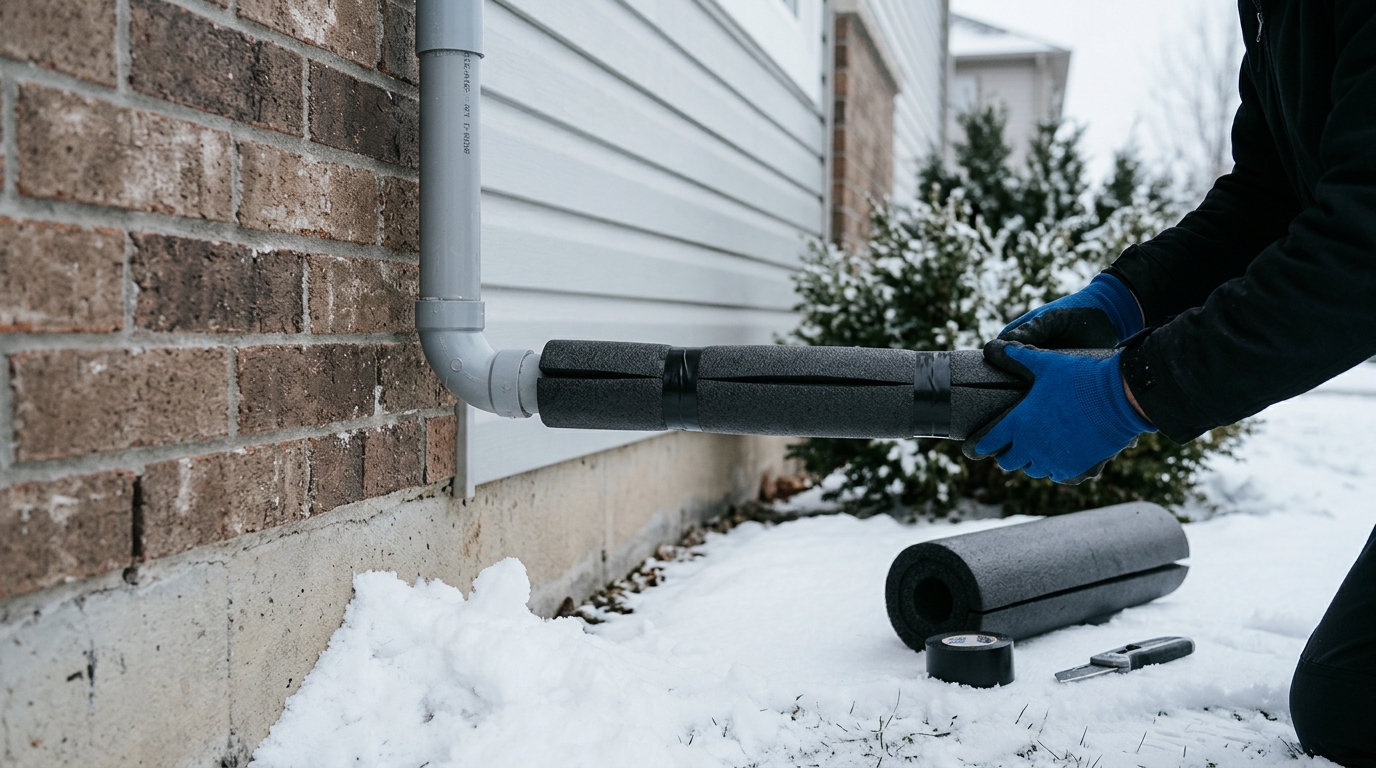
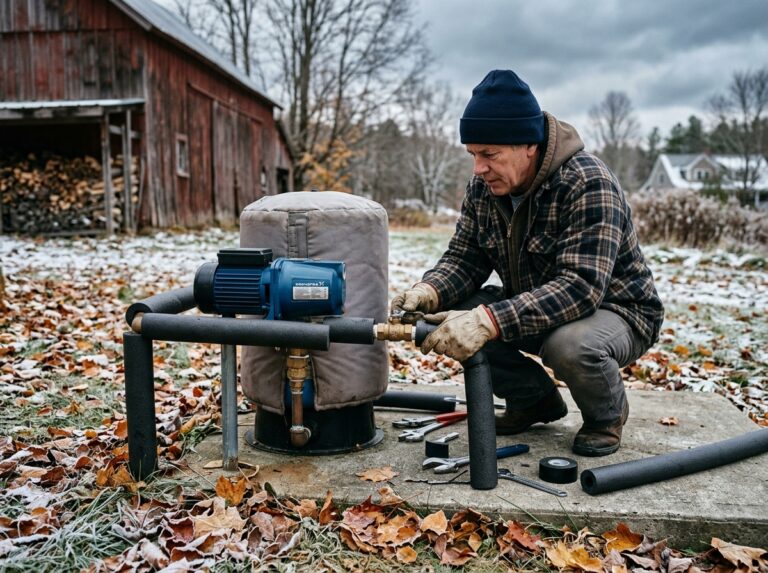
Insulating the discharge pipe is one of the most effective sump pump freezing prevention methods for most homes.
Sub-steps:
- Measure the exposed length of PVC pipe running from the basement to the exterior drain outlet.
- Wrap the pipe in foam pipe insulation, sealing seams with waterproof tape.
- For extra protection in cold climates, slide an insulated pipe sleeve over the foam layer.
- Insulate any exposed sections in unheated garages if you have a garage sump pump setup.
This is the best insulation for sump pump discharge pipe in regions with moderate winters, typically 20°F to 32°F.
Step 2: Install Heat Tape on the Discharge Line
In climates that regularly drop below 20°F, foam insulation alone may not stop a frozen discharge line.
Sub-steps:
- Choose heat tape rated for PVC or plastic pipe and install it according to the manufacturer’s instructions, either run straight along the pipe or wrapped in a spiral.
- Use heat tape with a built-in thermostat that turns on automatically when temperatures approach freezing.
- Plug the heat tape directly into a GFCI-protected outlet rated for outdoor or continuous use, without an extension cord.
- Cover the heat tape with insulation only if the manufacturer allows it.
This sump pump heat tape installation method is one of the most common sump pump discharge freezing solutions used in cold climates.
Step 3: Extend and Angle the Discharge Outlet
Water pooling near the exterior drain outlet is a leading cause of ice buildup in sump pump pipe sections.
Sub-steps:
- Extend the discharge line at least 10–20 feet from the foundation.
- Angle the pipe downward at a 2% slope (¼ inch drop per foot) so water drains completely after each cycle.
- Route discharge toward a French drain or storm drain if available, and check local codes first, since many areas restrict where sump water can go.
- Avoid low points where standing water can refreeze.
Step 4: Install a Freeze Guard Attachment
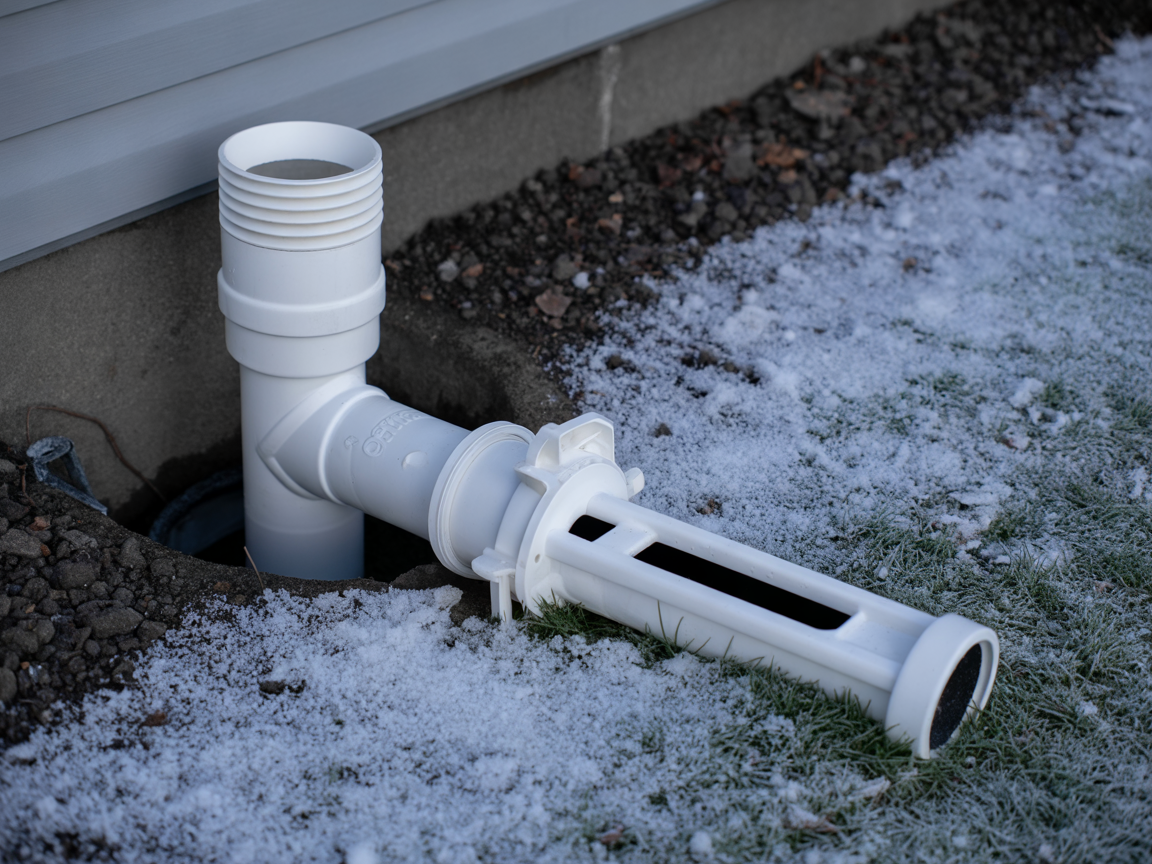
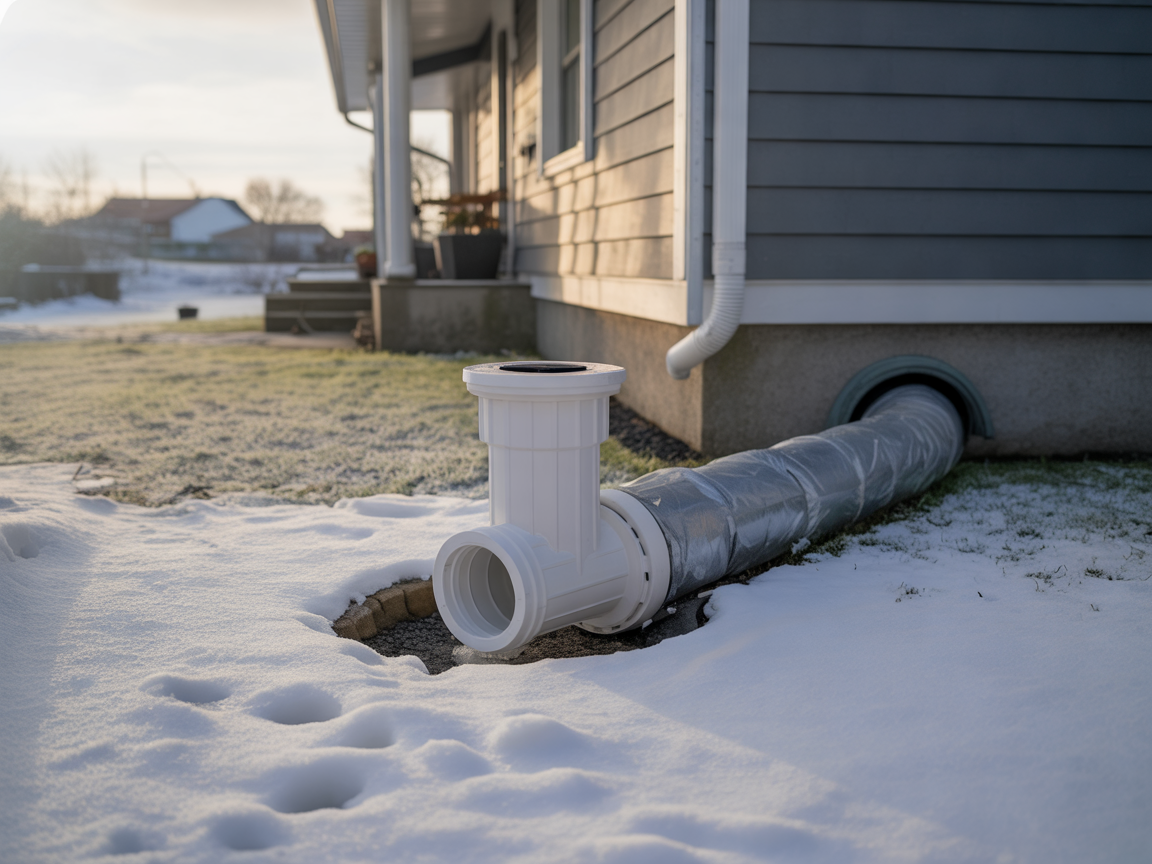
A freeze guard attachment provides a secondary exit point if the main outlet ices over.
Sub-steps:
- Install the attachment outside, where the discharge pipe exits the house.
- If the line beyond the attachment freezes, water flows out through the attachment’s side opening instead of backing up into the basement.
- Inspect the attachment monthly during winter for debris or ice blockage.
This device answers the common question of how to stop a sump pump from freezing outside without constant manual monitoring.
Step 5: Add Backup Power for Winter Outages
Power outages and heavy storms often happen at the same time, exactly when your sump pump needs to work most.
Sub-steps:
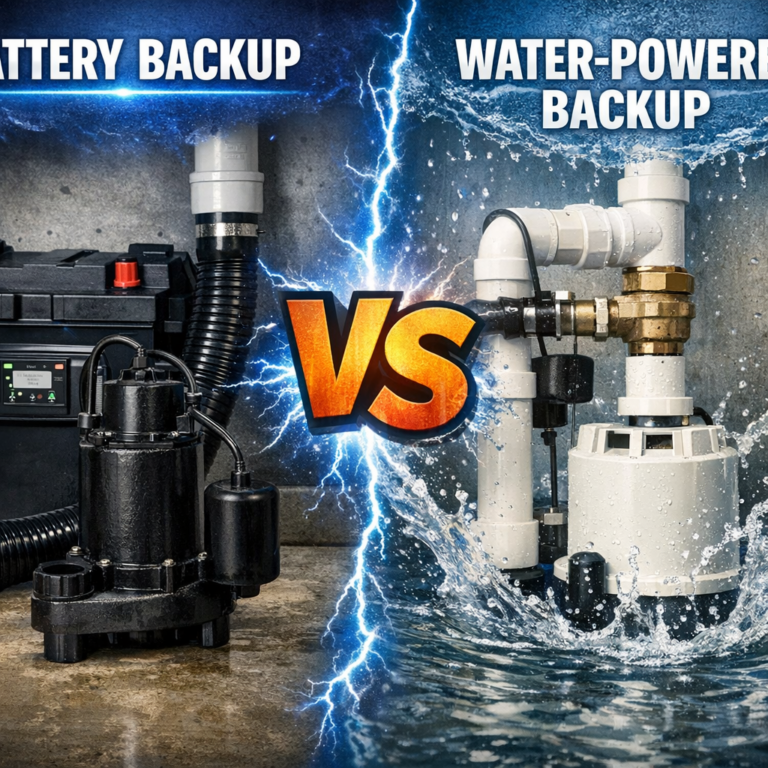
- Install a battery backup sump pump to keep water moving if the power goes out or the primary pump fails.
- Alternatively, use a water-powered backup pump connected to municipal water pressure (not suitable for homes on well water).
- Test the backup system every 90 days.
- Pair backup power with a sump pump alarm to alert you of pump failure or rising water.
Pump Professionals installs, tests, and maintains battery backup pump systems, so your basement stays protected even during the worst weather.
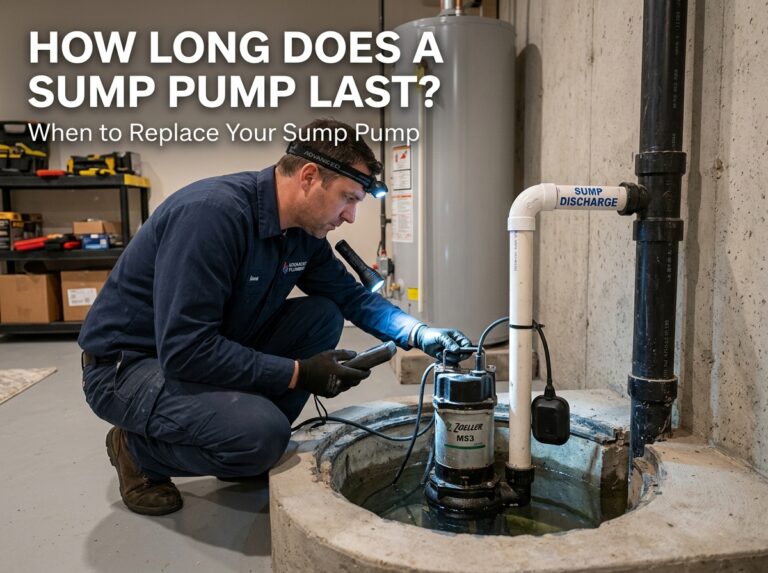
Step 6: Inspect the Check Valve, Float Switch, and Impeller
Mechanical failures compound freezing risks, so inspect these components before the first freeze.
Sub-steps:
- Test the check valve to confirm it prevents backflow into the sump basin.
- Lift the float switch manually to verify the pump activates correctly.
- With the pump unplugged, clear debris from the pump impeller to maintain full flow.
- Clean the drainage grate at the exterior outlet to prevent leaf and ice blockages.
Step 7: Address the Sump Pit and Basement Environment
Unlike discharge line freezing, pit freezing occurs when cold air reaches the basement or crawl space itself.
Sub-steps:
- Seal gaps around the sump pit lid to block cold air.
- Seal drafts around basement windows, rim joists, and crawl space vents, and keep the space above freezing.
- Confirm your French drain system drains freely into the pit without obstruction.
- Review your basement waterproofing system annually as part of full winterization.
Sump Pump Troubleshooting Winter Issues
| Problem | Likely Cause | Solution |
|---|---|---|
| Pump runs but no water exits outside | Frozen discharge line | Unplug the pump; pour warm (not boiling) water into the pipe; add heat tape once thawed |
| Water backs up into basement | Blocked or frozen exterior drain outlet | Thaw ice with a hair dryer on low heat; check the drainage grate |
| Pump alarm sounds repeatedly | Rising water due to pipe blockage | Inspect the check valve and freeze guard attachment immediately |
| Pump won’t activate | Float switch frozen or stuck | Thaw the float switch gently; verify the basin isn’t iced over |
| No power during outage | No backup system installed | Install a battery backup sump pump or water-powered backup pump |
If X → Do Y Quick Reference
- If the discharge pipe is frozen solid → Thaw it safely, then add heat tape and insulation before the next freeze.
- If water pools at the outlet → Re-angle the pipe to ensure proper drainage slope.
- If the sump pump alarm triggers during a storm → Check for power loss and confirm the backup pump is running.
- If ice forms inside the sump pit → Seal the lid and stop cold air from reaching the basement.
Signs Your Sump Pump Pipe Is Frozen
Recognizing early signs helps prevent basement flooding emergencies.
- Pump motor runs continuously without discharging water.
- Gurgling or straining sounds from the pump.
- Visible ice at the exterior drain outlet.
- Rising water level in the sump basin despite an active pump.
How to Unfreeze a Sump Pump Discharge Line
- Unplug the pump to prevent motor burnout.
- Pour warm water (100–110°F) into the exterior end of the pipe.
- Use a hair dryer or heat gun on its lowest setting along visible ice sections, keeping it moving to avoid damaging PVC; never use an open flame.
- Once clear, plug the pump back in, then insulate and add heat tape to prevent recurrence.
How Pump Professionals Helps Protect Your Sump Pump in Winter
Many freeze-related failures start with problems that a professional can catch early. Pump Professionals helps homeowners prepare their sump pump systems for cold weather with:
- Proper discharge line routing during sump pump installation, so water drains away from the foundation instead of pooling and refreezing.
- Sump pump repair for float switch failures, check valve problems, motor burnout, and discharge line blockages.
- Preventive maintenance programs that include annual inspections, cleaning, testing, and component replacement.
- Battery backup pump systems that keep your pump running during winter power outages.
- Drainage system installation, including French drains, curtain drains, and channel drains that work with your pump to move water away from your property.
- 24/7 emergency pump service, with common replacement parts on hand to resolve most emergencies in a single visit.
Next Steps: Winter Maintenance Checklist
- Test the sump pump and backup system monthly from November through March.
- Inspect foam pipe insulation and heat tape for wear every fall.
- Clear the drainage grate and exterior outlet after each snowfall.
- Schedule a professional inspection annually, especially if your discharge line runs through unheated or exposed areas.
- Review your full winter home maintenance checklist to include gutters, downspouts, and foundation drainage alongside sump pump care.
Completing these seven steps significantly reduces the risk of frozen sump pump outlet failures and protects your basement from winter flooding. Consistent sump pump maintenance, paired with proper insulation and backup power, keeps your drainage system working through the coldest months. For annual inspections, battery backup installation, or 24/7 emergency pump service, contact Pump Professionals today.
Frequently Asked Questions
Can a sump pump freeze in winter?
Yes. The pump itself rarely freezes because it sits in the pit, but the discharge line outside the house can freeze and block water from leaving. When that happens, water backs up into the sump pit and can flood the basement.
Do sump pumps freeze in San Diego?
It’s uncommon in most of San Diego, but homes in higher-elevation areas, mountain cabins, and unheated seasonal properties can see freezing nights. If your discharge line runs outdoors in these areas, insulating it and keeping it sloped for full drainage are the best protection.
At what temperature does a sump pump discharge line freeze?
Water freezes at 32°F, but most discharge line problems happen during extended cold spells, especially below 20°F, when water sits in the pipe between pump cycles.
Should I disconnect my sump pump in winter?
No. Groundwater and snowmelt can still enter the pit in winter, so keep the pump running and protect the discharge line instead.
Is heat tape safe to use on a sump pump discharge pipe?
Yes, if you use heat tape rated for your pipe material, follow the manufacturer’s instructions, and plug it into a GFCI-protected outlet without an extension cord.
What does a freeze guard attachment do?
A freeze guard gives water a secondary exit point outside the house. If the discharge line beyond it freezes, water exits through the attachment instead of backing up into your basement.
Do I need a battery backup sump pump?
A battery backup keeps your basement protected when storms knock out power or the primary pump fails. It’s one of the most effective upgrades for winter reliability.