 24 X 7 online support
  Contact Us Free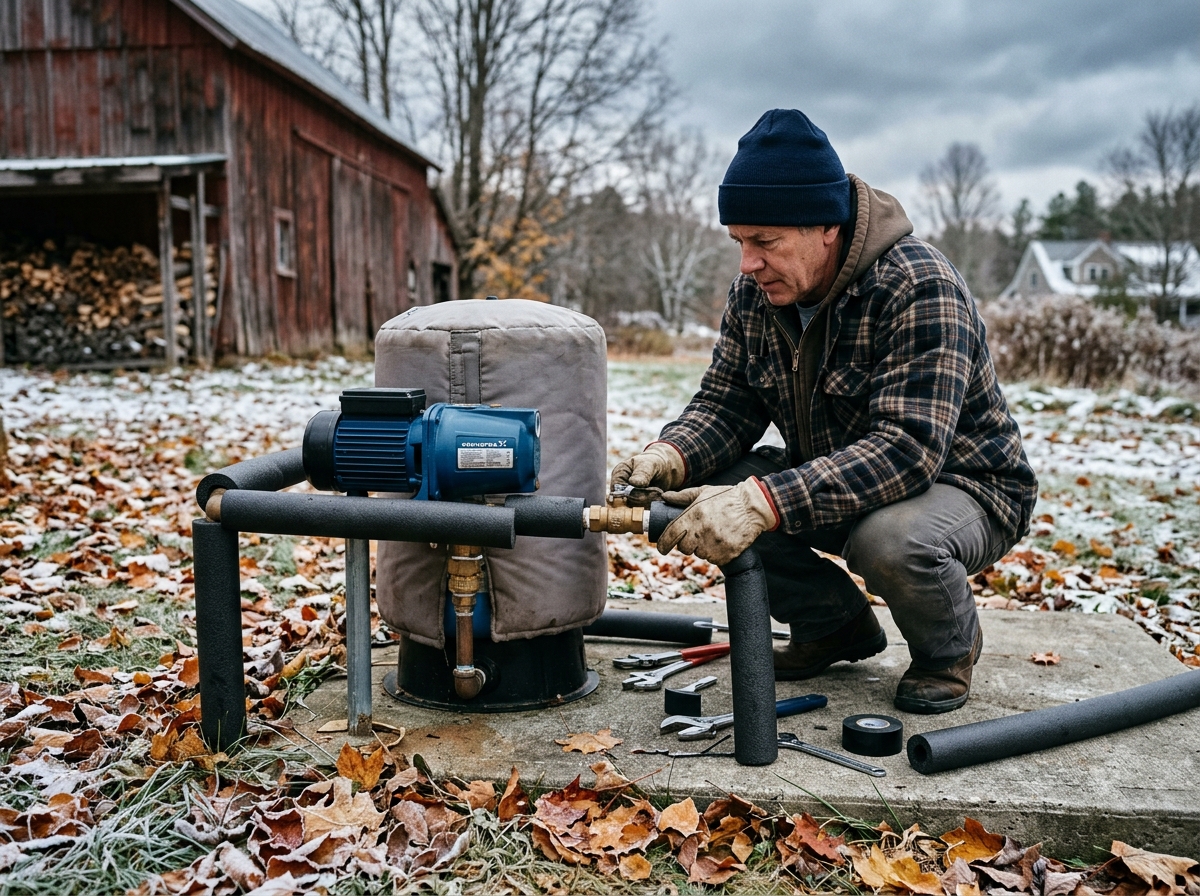
How to Winterize a Well Pump Before Cold Weather: 5-Step Guide
Outcome: A properly winterized well pump resists freezing for the entire cold season. This DIY project takes 2 to 4 hours and requires a beginner-to-intermediate skill level. Homeowners who complete these steps before the first hard frost avoid frozen well pump repairs costing $150–$500, according to well contractor estimates.
Before You Begin: Prerequisites Checklist
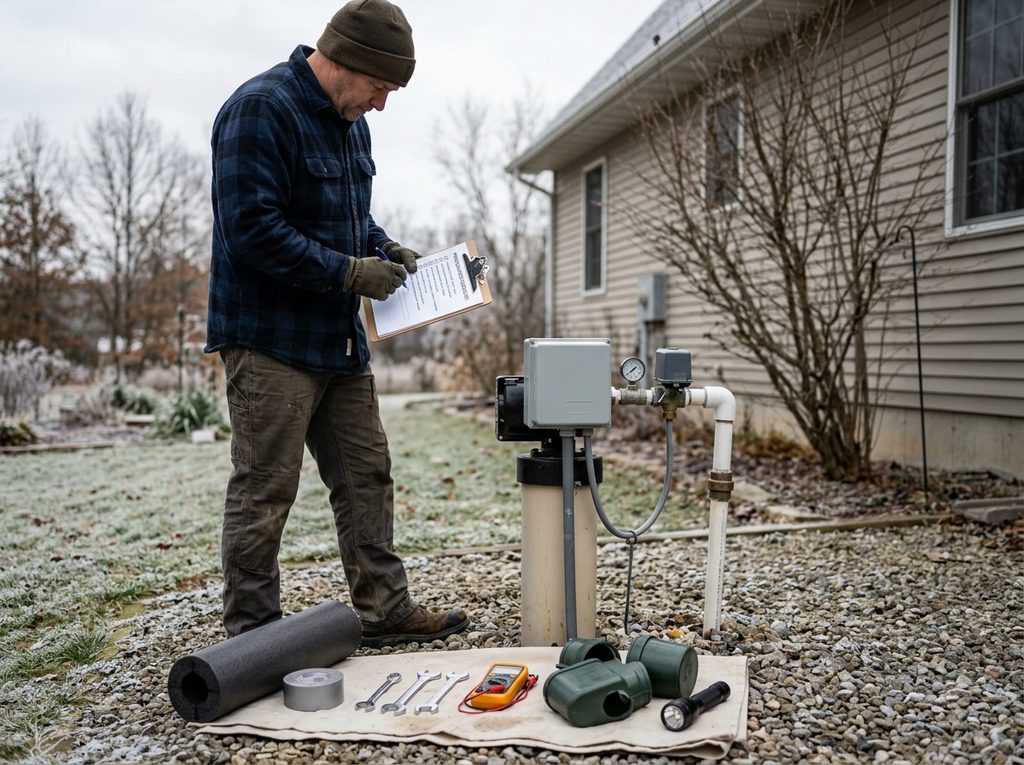
- Tools: pipe wrench, insulation tape, utility knife, voltage tester
- Materials: foam pipe insulation, heat tape, insulation foam board, weatherproof tape
- Safety: shut off circuit breaker before touching well pump wiring
- Know your setup: identify whether you have a submersible pump or jet pump
- Locate the frost line: confirm your well casing and pipes sit below it
Understanding these basics before you start prevents costly mistakes during pump protection methods later in this guide.
Step 1: Shut Off Power and Drain Well Pump Lines
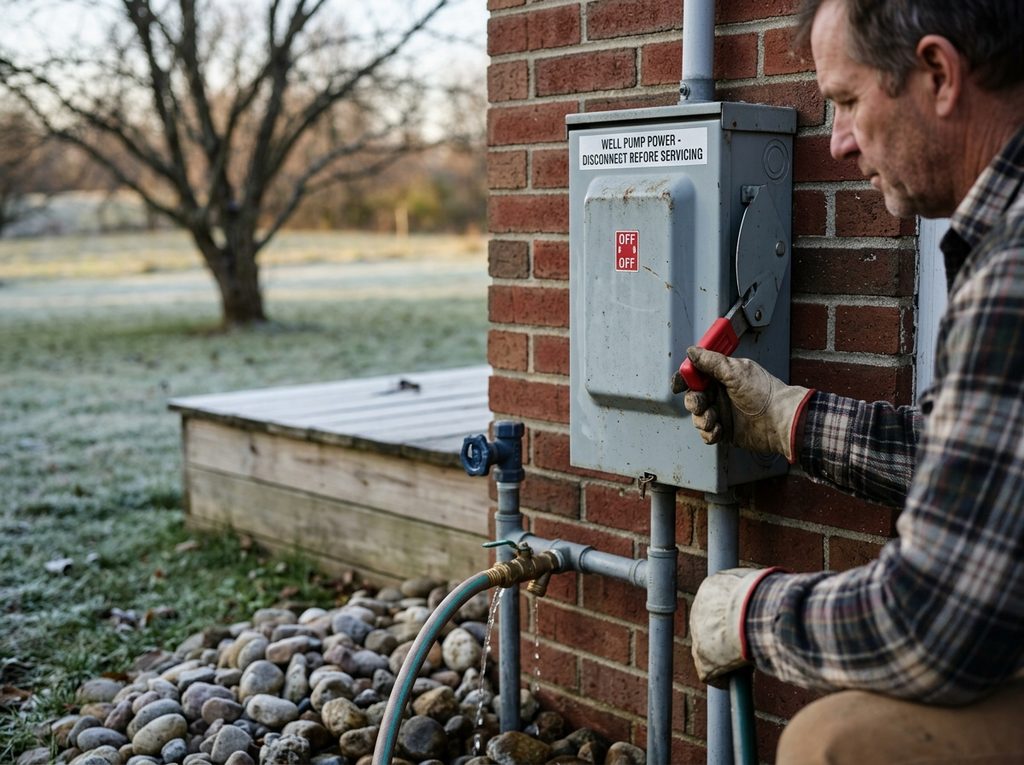
Draining well pump lines is the single most effective freeze protection tactic for unheated areas.
1a. Turn Off the Circuit Breaker
Locate the breaker controlling your pump motor and switch it off. This step is mandatory before any well pump shutdown procedure to avoid electrical shock.
1b. Open the Drain Valve
Attach a hose to the drain valve near the pressure tank and let water flow out completely. Draining prevents frozen pipes and stops pressure buildup overnight.
1c. Release Pressure Tank Air
Check the pressure gauge—it should read zero once drained. A pressure tank with residual water is a top cause of a frozen well pump.
Step 2: Insulate Well Pump Pipes and Well Casing
Insulating well pipes is the best way to insulate a well pump for winter in above-ground or shallow installations.
2a. Wrap Exposed Pipes
Apply foam pipe insulation around every exposed line, especially near the well cap and pitless adapter. This step covers how to insulate outdoor well pump pipes effectively.
2b. Seal the Well House
Add insulation foam boards to well house walls. Pump house insulation keeps ambient temperatures above freezing without constant heating.
2c. Protect the Well Casing
Wrap the well casing with foam sleeves down to the frost line. This reduces the risk of ice forming inside the casing itself.
Step 3: Install Heat Tape and a Thermostat-Controlled Heater
Well pump heat tape installation adds active freeze protection for pipes in unheated spaces or mobile homes.
3a. Apply Heat Tape Correctly
Spiral heat tape around pipes per manufacturer spacing—typically every 3 inches. Learn how to use heat tape on well pump pipes safely by never overlapping wraps.
3b. Add a Pump House Heater
Install a thermostat-controlled heater set to 40°F (4°C) inside the well house. This keeps the pump motor and pressure switch above freezing continuously.
3c. Consider a Backup Generator
A backup generator maintains heater and pump motor function during power outages, a common cause of cold weather well pump care failures.
For a complete walkthrough of professional-grade methods, many homeowners consult resources on winterizing a well pump to compare DIY versus contractor-installed solutions.
Step 4: Protect the Pressure Tank, Switch, and Wiring
4a. Insulate the Pressure Tank
Wrap the pressure tank in foam insulation. Tanks in unheated areas freeze faster than buried well casing sections.
4b. Check the Pressure Switch
Inspect the pressure switch for corrosion or moisture. A faulty switch can misread pressure gauge data and fail during winter well maintenance checks.
4c. Secure Electrical Wiring
Confirm well pump wiring connections are dry and tight. Moisture in electrical wiring near a circuit breaker creates fire risk and pump motor failure.
4d. Inspect the Check Valve
A check valve prevents backflow that can freeze inside the line. Replace any valve showing cracks before temperatures drop.
Step 5: Seal the Well Cap and Verify System Components
5a. Inspect the Well Cap
Ensure the well cap seals tightly to block cold air infiltration into the well casing.
5b. Check the Pitless Adapter
The pitless adapter connects underground plumbing to the well casing below the frost line—confirm no leaks exist here.
5c. Test the Water Heater and Softener
Run the water heater briefly to confirm function, and check the water softener resin tank for freeze damage, especially if located outdoors.
5d. Add Antifreeze if Recommended
For seasonal cabins, RV-grade antifreeze in drained lines prevents residual moisture from freezing, per plumbing winterization guidelines from the U.S. Department of Energy (2024).
Troubleshooting Common Well Pump Freeze Issues
- If the pump runs but no water flows → check for ice blockage in exposed pipes; apply heat tape immediately.
- If the breaker trips repeatedly → inspect wiring for moisture intrusion; call an electrician before resetting.
- If the pressure gauge reads zero after refill → the check valve may have failed; replace it.
- If pipes show frost or bulging → these are signs your well pump is freezing; drain lines and add insulation foam immediately.
- If the pump motor hums but doesn’t start → the pressure switch may be frozen; thaw gently with a heater, not open flame.
Next Steps: Seasonal Well System Maintenance
Schedule a mid-winter inspection to confirm heat tape and pump house heaters remain functional. Test your backup generator monthly during extreme cold. For long-term protection, consider upgrading to a freeze-resistant pump if your region regularly drops below 0°F (-18°C). Preparing your well pump for extreme cold weather each fall reduces emergency repair calls and extends pump motor lifespan by several years, according to National Ground Water Association maintenance data (2023).