 24 X 7 online support
  Contact Us Free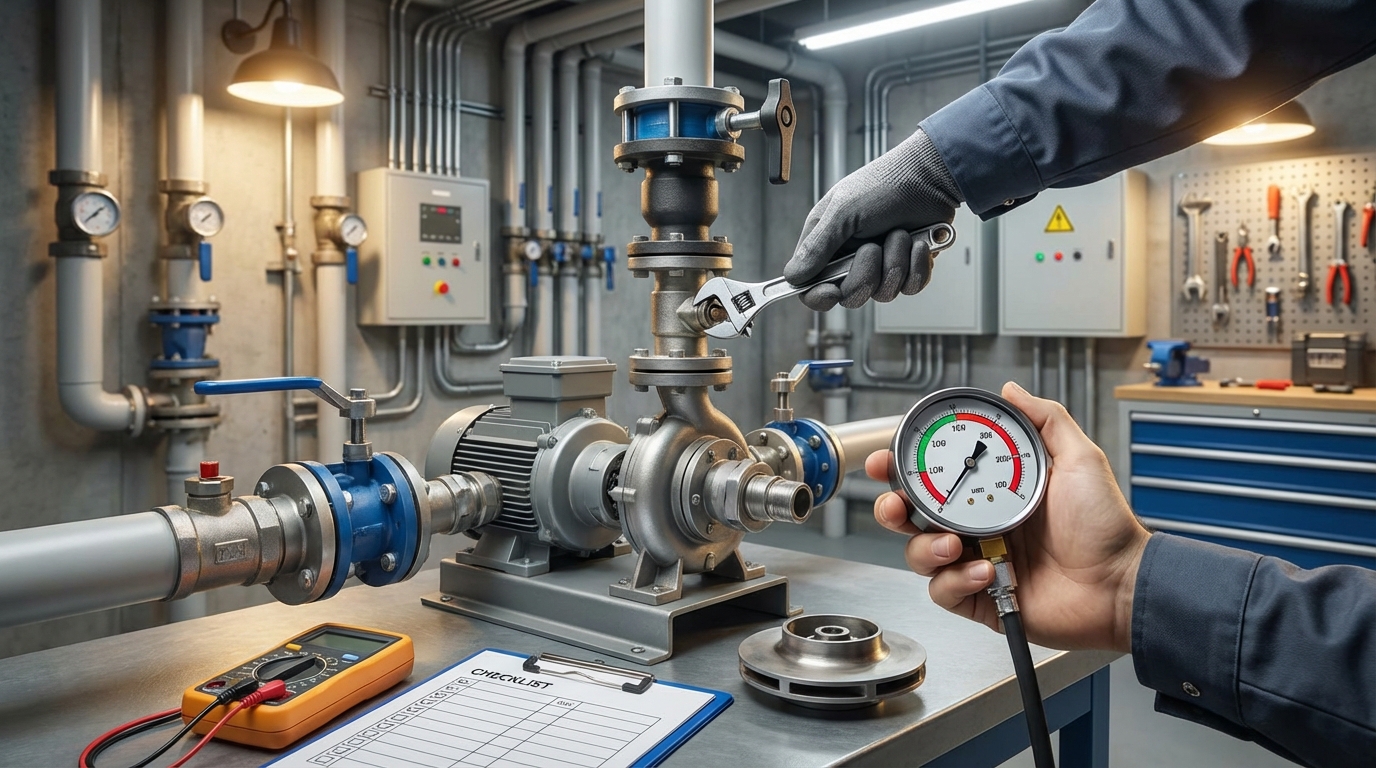
Low Flow Troubleshooting: Simple Pump Performance Checks Before Calling a Professional Pump Technician
Discovering reduced water flow from your pump system can be frustrating, particularly when it disrupts daily operations. Before incurring the expense of professional service, several preliminary checks can identify common pump performance issues that homeowners and facility managers can address independently. Understanding these basic pump troubleshooting steps empowers you to resolve simple problems quickly while recognizing when expert intervention becomes necessary.
This comprehensive guide examines the most frequent causes of flow reduction and provides systematic diagnostic procedures. By methodically evaluating key system components, you can often restore optimal pump efficiency without professional assistance, saving both time and resources while gaining valuable knowledge about your water delivery system’s operational characteristics.
Pressure Gauge and Flow Meter Readings Indicate System Performance
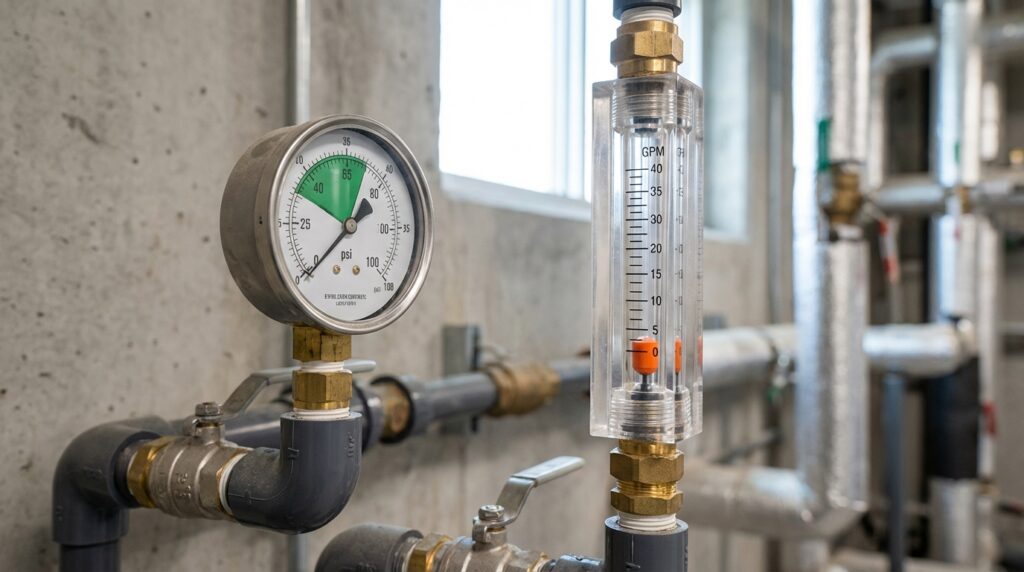
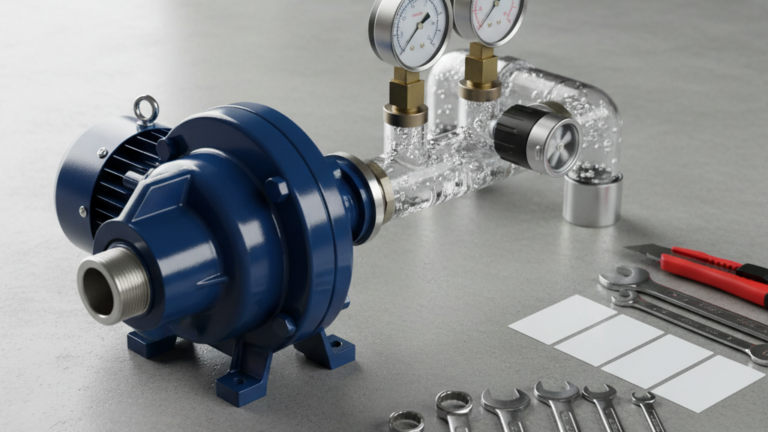
The first diagnostic step involves examining your pressure gauge and flow meter to establish baseline operating parameters. These instruments provide quantifiable data about current system performance compared to normal specifications. Document these readings carefully, as they reveal whether you’re experiencing pressure drop, flow capacity reduction, or both simultaneously.
Compare current measurements against manufacturer specifications or historical performance data. A significant deviation indicates underlying issues requiring investigation. If readings show adequate pressure but insufficient flow, the problem likely involves flow obstruction rather than pump malfunction. Conversely, low pressure with normal flow suggests issues with the pressure tank, bladder, or system configuration.
Intake Valve and Discharge Valve Position Verification
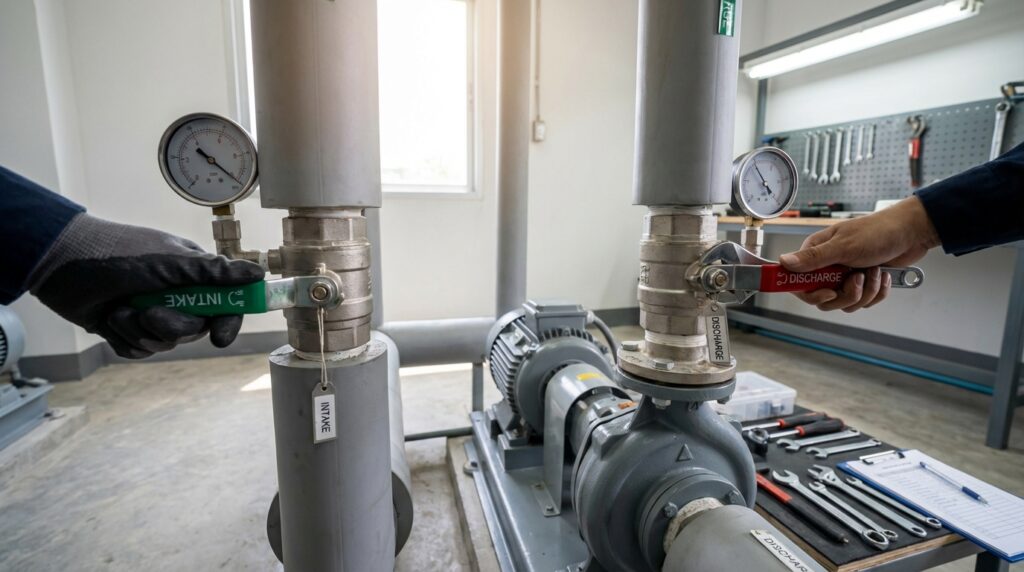
Surprisingly often, reduced water flow results from partially closed valves rather than mechanical failure. Systematically verify that all gate valves, ball valves, and throttle valves throughout the system remain fully open. Even minor valve position adjustments can dramatically impact flow rate and system pressure, particularly in smaller diameter installations.
Pay particular attention to the discharge valve and any bypass line configurations that might divert flow. Check the check valve for proper operation, ensuring it opens freely during pump operation and closes completely to prevent backflow. A malfunctioning check valve creates circulation problems that significantly diminish overall system efficiency.
Filter and Strainer Maintenance Prevents Flow Obstruction
Accumulated debris and sediment represent the most common causes of flow reduction in pump systems. Inspect and clean the filter and strainer at both intake and discharge locations. Even minimal blockage in these components can substantially decrease water output, forcing the motor to work harder while delivering diminished performance.
Remove strainer baskets and filter elements for thorough cleaning, examining them for damage that might allow debris passage into downstream components. If you discover significant sediment buildup, investigate the water source for contamination issues. Regular strainer maintenance constitutes essential preventive maintenance that extends equipment lifespan and maintains optimal hydraulic performance.
| Component | Common Issue | Quick Check Method | Expected Result |
|---|---|---|---|
| Strainer | Debris accumulation | Visual inspection after removal | Clean screen, no clogs |
| Filter | Sediment blockage | Remove and rinse element | Clear flow through media |
| Check Valve | Stuck in closed position | Manual operation test | Smooth opening/closing |
| Pressure Gauge | Inaccurate readings | Compare with backup gauge | Consistent measurement |
Electrical Connections and Circuit Breaker Status Affect Motor Operation
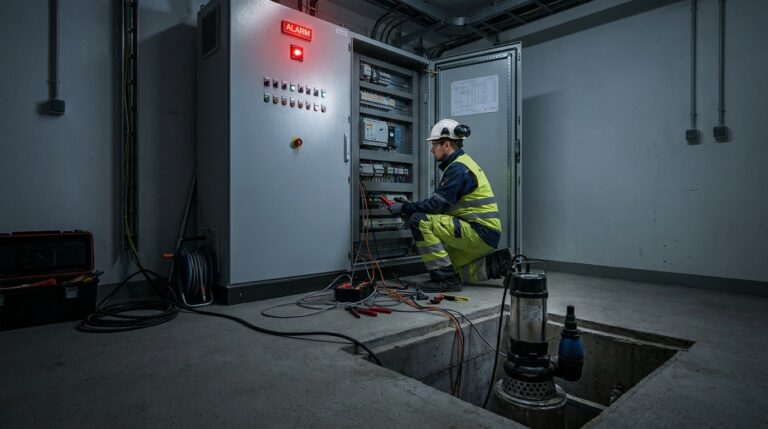
Insufficient electrical supply commonly causes diminished pump operation without complete failure. Verify the circuit breaker hasn’t tripped partially, which can reduce available voltage and amperage to the motor. Check all electrical connections for tightness and corrosion, as poor contacts increase resistance and reduce power delivery to the pump.
If you possess appropriate testing equipment and safety knowledge, measure voltage at the motor terminals during operation. Voltage fluctuation or readings below nameplate specifications indicate electrical problems requiring attention. Never attempt electrical verification without proper training and safety equipment, as this represents a hazardous procedure best left to qualified professionals.
Air Lock and Priming Issues Create Cavitation Symptoms
Air entrapment in the suction line or pump volute prevents proper water delivery, creating characteristic cavitation sounds and erratic flow. This air lock condition requires repriming the pump according to manufacturer procedures. Locate the prime plug or air release valve and follow proper priming procedure to evacuate trapped air completely.
During priming, ensure the foot valve at the water source functions correctly and that the suction line maintains integrity without leaks admitting air. After priming, observe pump operation for several minutes to confirm stable performance. Recurring priming requirements suggest suction problems demanding further investigation of line connections and valve seals.
Impeller and Wear Ring Condition Determines Pump Efficiency
Internal component wear significantly impacts pump performance over time. The impeller may accumulate debris, sustain damage, or experience wear ring deterioration that increases internal clearances. While comprehensive impeller inspection requires disassembly best performed by a pump technician, you can sometimes detect issues through abnormal vibration, unusual noise, or reduced performance despite addressing other factors.
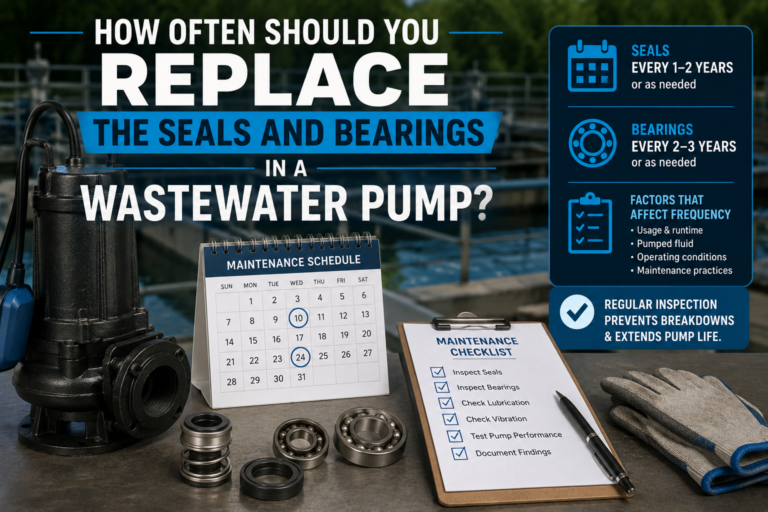
If preliminary checks reveal no external problems, internal mechanical failure becomes likely. Components including bearings, shaft, coupling, mechanical seal, and gaskets eventually require replacement as part of normal equipment lifecycle. Recognizing when DIY troubleshooting reaches its limits prevents further damage from continued operation of compromised equipment.
Frequently Asked Questions
What causes sudden drop in pump flow rate without warning?
Sudden flow reduction typically results from acute blockage in the strainer or filter, valve closure, air lock formation, or loss of prime. Check these components first before investigating mechanical issues. Occasionally, debris from the water source creates immediate obstruction requiring cleaning.
How do I know if my pump impeller is damaged?
Impeller damage manifests through excessive vibration, unusual rattling or grinding noise, significantly reduced flow despite normal motor operation, and sometimes visible debris in discharged water. Confirming impeller condition requires disassembly and visual inspection by qualified personnel.
Can a failing pressure tank cause low flow problems?
Yes, pressure tank issues including bladder failure, incorrect air pressure, or waterlogged conditions affect system performance. While the pump may function correctly, compromised pressure tank operation creates inconsistent pressure and apparent flow problems requiring tank service or replacement.
What electrical checks are safe for homeowners to perform?
Homeowners can safely verify circuit breaker status, check for tripped breakers, and visually inspect visible connections for obvious damage or corrosion. However, voltage testing, amperage measurement, and internal motor inspection require professional expertise and appropriate safety equipment to prevent electrical hazards.