 24 X 7 online support
  Contact Us Free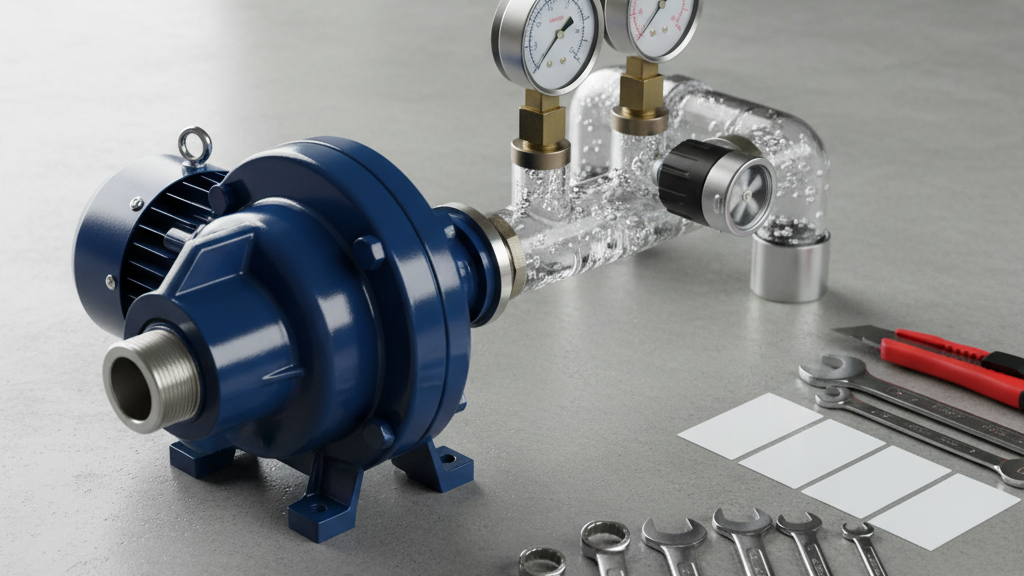
Troubleshooting Low Flow: Simple Checks Before Calling a Professional Pump Technician
Experiencing reduced flow in your pump system can be frustrating and disruptive—especially when you rely on that system for critical residential, commercial, or industrial operations. While it’s always a smart move to involve a pump technician when serious issues arise, many low flow problems can be traced back to simple causes that can be checked before making a service call.
At Pump Professionals, we understand that downtime costs time, money, and peace of mind. This guide is designed to help facility managers, operators, and homeowners perform basic troubleshooting steps to quickly identify potential issues behind low pump flow. If these checks don’t resolve the problem, our experienced team is always ready to help with diagnostics and repairs.
What Is Low Flow in a Pump System?
Low flow refers to a condition where your pump system is not delivering the expected volume of fluid through the system. This could mean reduced water pressure in a building, slower discharge rates in a sump or effluent system, or inefficient performance in a commercial or industrial process.
Low flow is often a symptom, not the root problem. Pinpointing the cause early can help prevent more serious issues like pump failure, system overloading, or equipment damage.
Simple Checks for Diagnosing Low Flow Issues
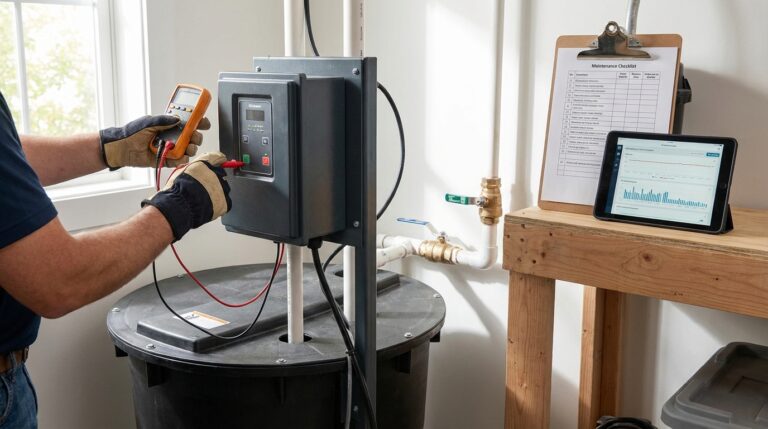
1. Check the Power Supply and Motor
- Ensure the pump is receiving full power and the motor is running at the correct voltage.
- Inspect breakers, fuses, and connections to make sure there are no electrical issues causing reduced motor performance.
- Listen for irregular sounds—grinding, humming, or stalling can signal electrical or mechanical trouble.
2. Inspect the Inlet and Suction Line
- Look for blockages, debris, or buildup at the pump inlet or in the suction line.
- Ensure valves are fully open and not partially closed or restricted.
- Check for air leaks or loose fittings in the suction line that can introduce air and reduce flow.
3. Examine the Discharge Line
- Verify that the discharge pipe is not clogged or obstructed by scale, debris, or freezing (in colder climates).
- Inspect check valves for proper operation; a stuck or broken valve can restrict flow or cause backflow.
- Ensure that all discharge valves are fully open and there are no kinks in flexible piping.
4. Review Pump Impeller Condition
- Over time, impellers can become worn or damaged by debris or corrosion, which affects flow efficiency.
- If accessible, visually inspect the impeller for cracks, bent blades, or buildup of solids.
- Reduced impeller performance can drastically cut pump output, especially in sump and effluent systems.
5. Evaluate Pump Prime (For Non-Submersible Pumps)
- Loss of prime is a common cause of low flow in centrifugal and jet pumps.
- Check the priming chamber and refill it if necessary; also inspect for air leaks in suction piping.
- Make sure the foot valve or check valve is intact and sealing properly to prevent backflow.
6. Monitor Flow Rate and Pressure
- If your system has gauges, compare current flow and pressure readings to baseline specifications.
- Sudden drops could indicate blockage, cavitation, or impeller wear.
- Steady, gradual drops might point to suction line degradation or filter obstructions.
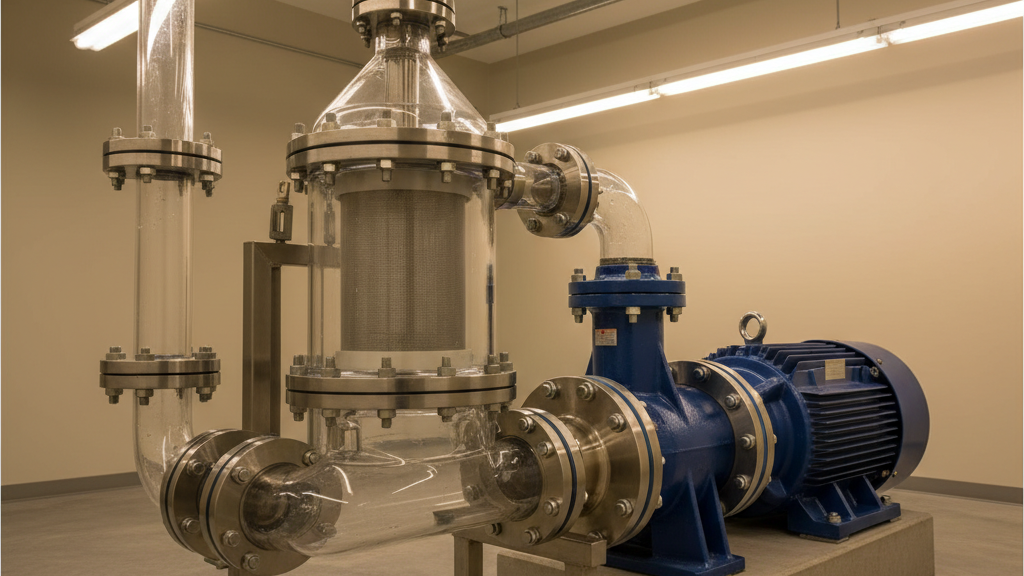
7. Check Filters, Strainers, and Screens
- Clogged or dirty intake screens, strainers, or inline filters can significantly reduce flow.
- Clean or replace filters according to manufacturer specifications or more frequently in high-debris environments.
8. Consider the System Load and Usage
- If additional equipment or outlets were recently added, your pump may now be undersized for the current demand.
- Seasonal changes (e.g., increased groundwater, rainwater, or wastewater) can strain capacity.
- Excessive demand can cause low flow without any mechanical failure being present.
When to Call a Professional Pump Technician
If these basic checks do not resolve the issue, or if you’re unsure about safely inspecting certain components, it’s time to bring in professional help. Complex pump problems often require specialized tools and diagnostics to identify motor failure, impeller imbalance, cavitation, or electrical control issues.
The team at Pump Professionals provides expert pump system inspections, diagnostics, and repairs across a wide range of applications—from residential sump and effluent systems to complex commercial and industrial setups. Our technicians are trained to identify the root cause of low flow and restore your system to full performance quickly and reliably.
Preventing Low Flow Issues with Regular Maintenance
One of the best ways to avoid low flow and related pump problems is through consistent, scheduled maintenance. A preventative approach ensures that components stay clean, aligned, and properly lubricated—reducing the risk of wear, clogs, or sudden failure.
Maintenance programs can include:
- Routine inspections and performance testing
- Impeller cleaning or replacement
- Valve testing and lubrication
- Filter and screen replacements
- System flow calibration and pressure checks
Establishing a quarterly or semi-annual maintenance schedule with a trusted pump technician can significantly reduce unplanned outages and protect your equipment investment.
Trust Pump Professionals for Expert Service
When low flow disrupts your system, a timely and accurate diagnosis is critical. While some issues are easy to resolve, others require a trained eye and industry-specific knowledge. At Pump Professionals, we help clients get back online quickly with a focus on long-term performance and reliability.
If you’re experiencing low flow and unsure of the cause, our team can step in with comprehensive troubleshooting, repair, and replacement services tailored to your system and industry.
Year-Round Sump Pump Maintenance Schedule
The Q1 checklist above works any quarter. Use this schedule to keep sump, effluent, and submersible pumps on a consistent preventive maintenance cycle:
Monthly
- Pour water into the basin to confirm the pump activates and drains
- Listen for grinding, rattling, or irregular cycling
- Check that the discharge line is clear and draining away from the foundation
Quarterly
- Clean the intake screen and basin of sediment and debris
- Test the float switch through a full cycle
- Inspect the check valve for proper seating
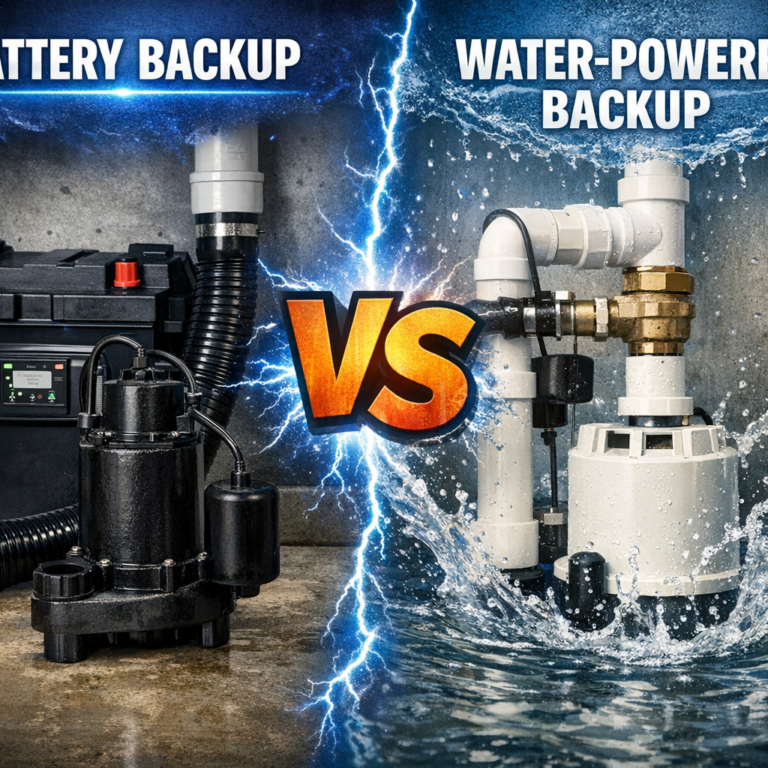
- Verify backup power or battery backup activates
Annually
- Pull the pump and inspect the impeller for wear or fibrous buildup
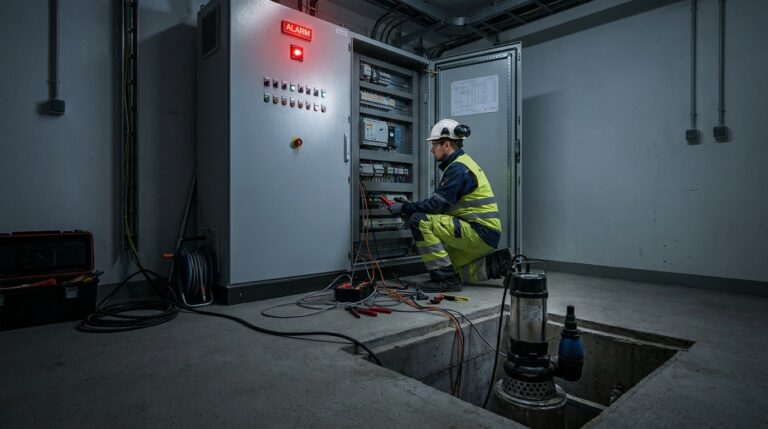
- Check wiring, terminals, and control panel connections for corrosion
- Test alarm systems under simulated failure conditions
- Log runtime hours to establish baseline data for troubleshooting
Sump Pump Maintenance FAQ
How often should a sump pump be serviced?
Test your sump pump monthly, clean the basin and intake quarterly, and do a full inspection — impeller, float switch, check valve, and electrical connections — once a year. Pumps handling effluent or heavy sediment loads should follow the quarterly protocol more strictly to prevent premature failure.
What should a sump pump inspection checklist include?
A complete sump pump inspection checklist covers: power supply and voltage, float switch operation, check valve function, intake screen and basin cleanliness, impeller condition, discharge line flow, backup system activation, and alarm testing. Documenting runtime hours each inspection builds baseline data that makes future troubleshooting faster.
Is submersible pump maintenance different from pedestal pump maintenance?
The core checklist is the same, but submersible pump maintenance requires pulling the unit to inspect seals and the impeller, since the motor sits in the basin. Pedestal pumps allow motor inspection without removal. Effluent submersibles also need closer impeller checks due to fibrous material in septic wastewater.
What Is Low Flow in a Pump System?
Pump low flow means your system isn’t delivering the volume of fluid it should — showing up as weak water pressure, slow sump or effluent discharge, or sluggish performance in commercial and industrial setups.
Schedule a Pump Inspection Today
Low flow doesn’t have to mean major downtime. Use this checklist to troubleshoot the basics, and if you’re still experiencing issues, contact us for a full pump inspection. Our technicians are ready to help restore your pump’s performance and keep your system running efficiently.