 24 X 7 online support
  Contact Us Free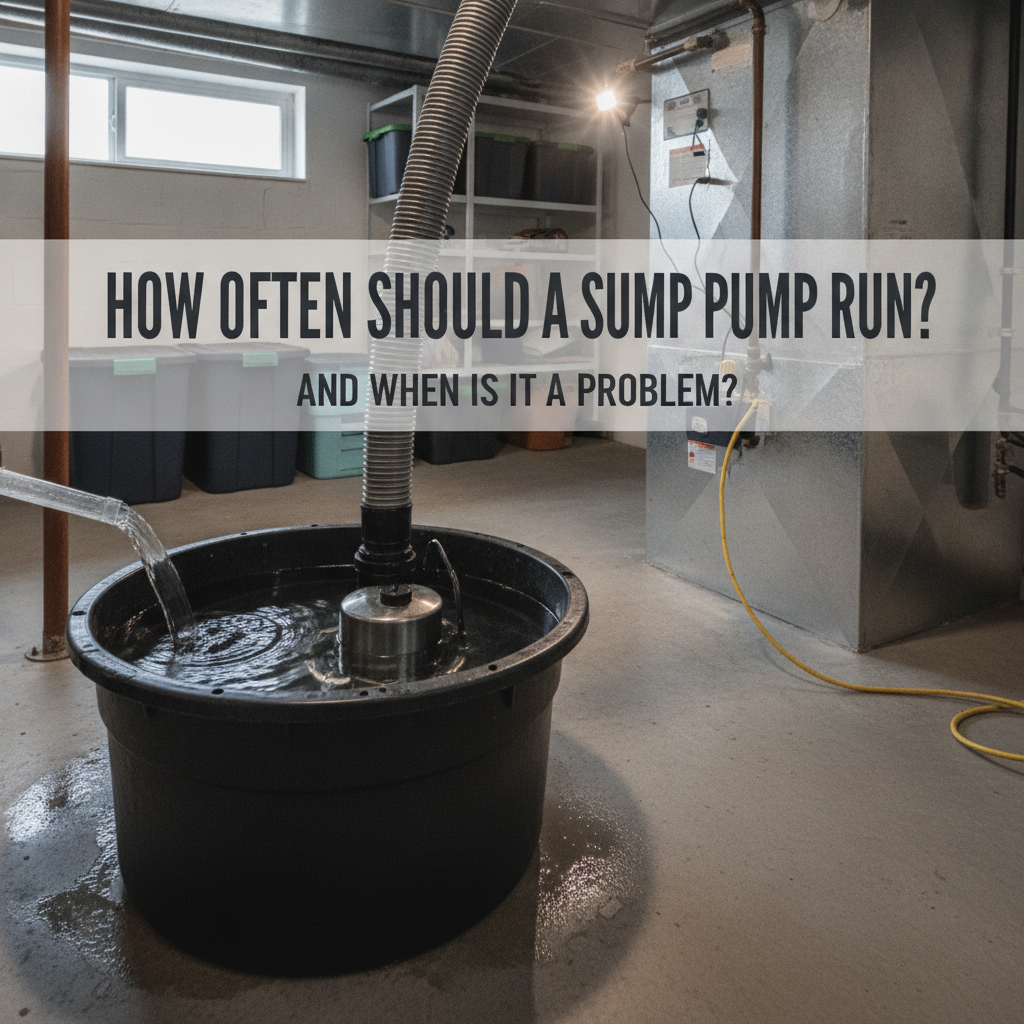
How Often Should a Sump Pump Run: 5-Step Assessment Guide 2025
A properly functioning sump pump should cycle on and off based on water accumulation in your sump basin, typically running every few minutes during heavy rainfall and remaining inactive during dry periods. This step-by-step guide helps homeowners determine normal pump operation cycles versus problematic excessive pumping patterns, ensuring optimal performance and flood prevention in your basement or crawl space.
Timeframe: 30-45 minutes | Skill Level: Beginner | Cost: $0 (assessment only)
Before You Begin: Prerequisites for Sump Pump Assessment
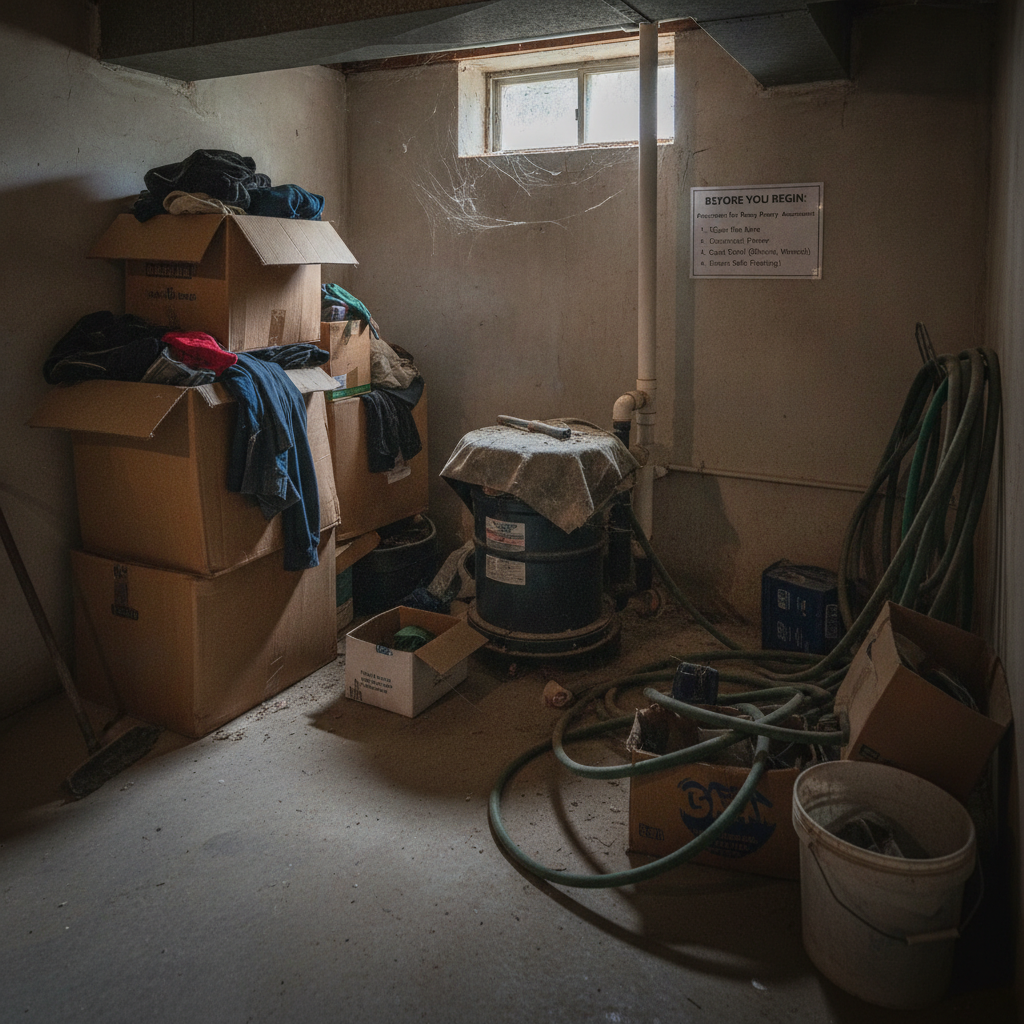
Required Knowledge:
- Location of your sump pit and electrical system
- Basic understanding of your drainage system components
- Access to GFCI outlet and circuit breaker
Tools Needed:
- Stopwatch or smartphone timer
- Flashlight for sump basin inspection
- Notebook for recording pump cycle time
Safety Precautions:
- Never bypass electrical safety devices
- Avoid touching pump motor during operation
- Ensure proper ventilation in basement waterproofing areas
Understanding Normal Sump Pump Cycle Patterns
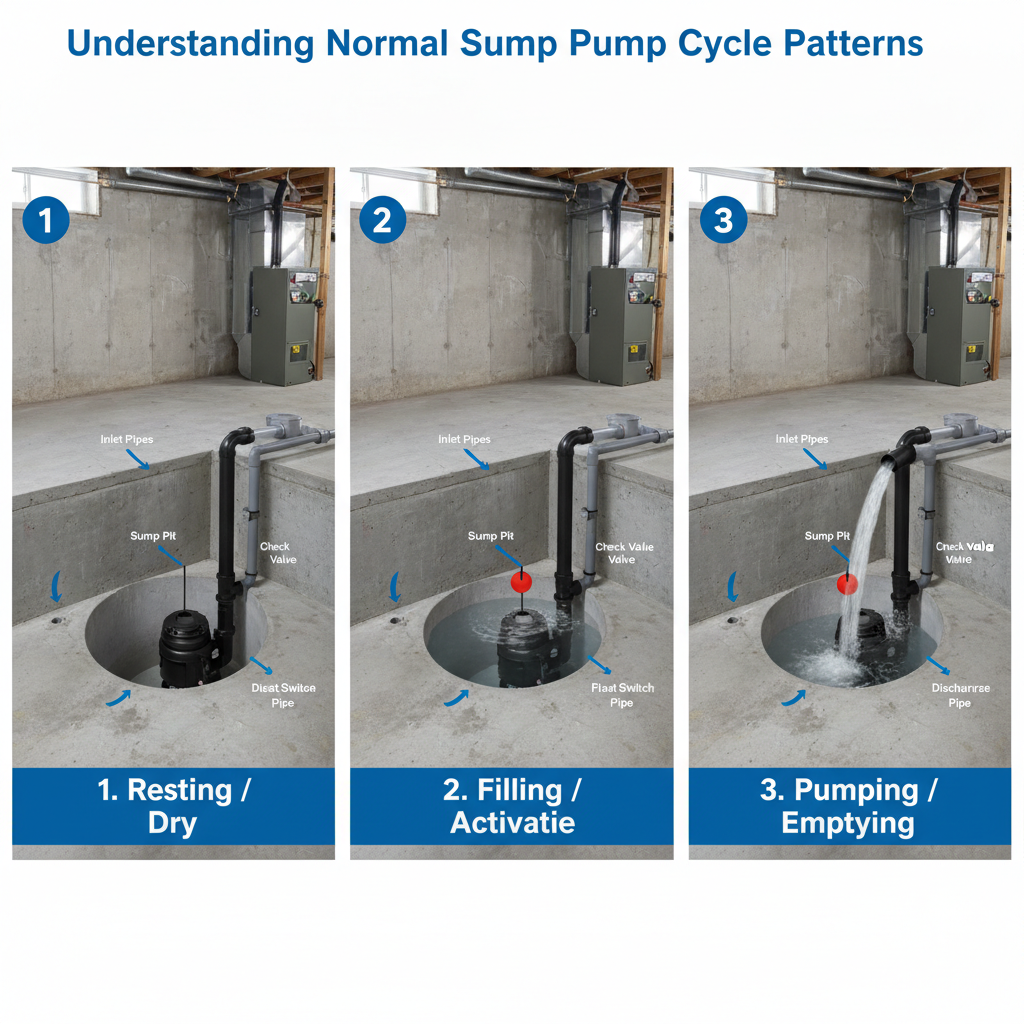
According to the National Association of Home Builders (2024), normal sump pump cycle time varies significantly based on groundwater levels and precipitation levels. A submersible pump or pedestal pump operating correctly responds to water table fluctuation rather than running on a fixed schedule.
Normal cycling frequency depends on multiple factors. During heavy rain pumping events, your water removal system may activate every 2-15 minutes. In dry weather operation, the pump might run once per day or remain inactive for extended periods. The inflow rate into your sump basin directly determines pump activation frequency.
Seasonal Pump Activity Variations
Seasonal variation significantly impacts drainage pump frequency. During spring thaw and snowmelt runoff, expect increased pump runtime intervals as subsurface water infiltrates foundation weep holes and French drain systems. Summer months typically show reduced automatic pump operation unless your geographic location experiences frequent storm water events. Winter season pumping depends on soil conditions and climate factors in your area.
Step-by-Step Guide: Assessing Your Sump Pump Run Frequency
Step 1: Monitor Baseline Pump Cycling Pattern
Record how often your drainage solution activates over a 24-hour period during normal conditions. Note the pump running time for each cycle and intervals between activations. Typical normal operation shows cycles lasting 30-90 seconds with rest periods varying from 15 minutes to several hours depending on groundwater management needs.
Use a stopwatch to measure exact pump duration. Document whether your primary pump responds to gradual water accumulation or exhibits intermittent operation patterns. This baseline data helps identify when pump runs too often compared to your property’s normal cycling behavior.
Step 2: Test During Heavy Rainfall Events
During a rain event, monitor rainfall response patterns. Is it normal for sump pump to run every 5 minutes during intense precipitation? Yes—pumps in high water table areas may cycle every 2-10 minutes during storms. However, sump pump running every 30 seconds problem indicates potential mechanical issues or incorrect pump size.
Compare your pump’s discharge capacity measured in GPH (gallons per hour) against actual inflow rate. A properly sized dewatering pump handles peak water infiltration without continuous running or pump motor overheating.
Step 3: Evaluate Float Switch Settings and Water Level
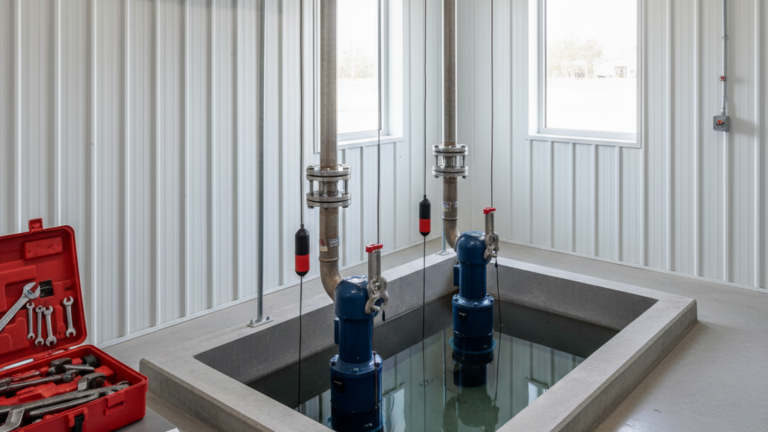
Inspect your float switch mechanism controlling automatic shut-off functions. The float adjustment determines when the pump activates and deactivates. If your basin too small relative to water inflow, the float switch triggers excessively, creating a short cycling problem.
Pour water into the sump pit until the pump activates. Measure the water table level at activation and shutdown. Optimal performance requires 6-12 inches of water level change between on-off cycle points. Insufficient differential causes the pump running more than usual without adequate drainage efficiency.
Step 4: Check Discharge Pipe and Check Valve Function
Examine your discharge line for blockages reducing discharge rate. A malfunctioning check valve allows water backflow, causing the pump won’t stop running as it repeatedly pumps the same water. According to plumber industry standards (2024), check valve failure accounts for 35% of excessive cycling issues.
Inspect the discharge pipe exterior terminus. During pump operation cycle, water should flow freely without restrictions. Poor drainage area conditions or frozen discharge lines in winter create hydrostatic pressure that reduces pumping capacity and increases pump workload.
Step 5: Calculate Average Sump Pump Runtime Per Day
Determine normal sump pump operation frequency for your specific conditions. Calculate how many times per hour should sump pump run by dividing total daily cycles by 24. In typical residential applications, 3-15 cycles daily represents normal range, while sump pump cycles every hour continuously suggests problems requiring attention.
Compare your calculations against manufacturer specifications for pump capacity and horsepower ratings. An oversized pump creates rapid short cycling, while an undersized pump leads to pump running continuously without stopping as it cannot match moisture control demands.
Normal Runtime Scenarios by Condition
| Condition | Expected Frequency | Duration |
|---|---|---|
| Heavy rainfall | Every 2-10 minutes | 45-90 seconds |
| Moderate rain | Every 10-30 minutes | 30-60 seconds |
| Spring thaw/snowmelt | Every 15-45 minutes | 60-90 seconds |
| Dry summer months | 1-3 times daily or less | 30-60 seconds |
| High water table properties | Every 30-60 minutes consistently | 45-75 seconds |
Warning Signs: When Pump Frequency Indicates Problems
Certain malfunction signs require immediate attention to prevent water damage and structural damage. Sump pump running every minute represents abnormal behavior indicating mechanical failure, electrical problems, or sizing issues.
Critical Problem Indicators
- Continuous non-stop pumping: Pump running 24 hours straight suggests check valve failure, switch malfunction, or foundation seepage exceeding pump sizing capacity
- Sump pump running when it’s not raining: May indicate groundwater seepage from low-lying property characteristics or broken discharge pipe allowing water recirculation
- Pump rarely runs or hasn’t run in months: Could mean float switch failure, pump failure, or disconnected power preventing moisture control
- Sump pump cycles every 2 minutes during dry weather: Suggests inappropriate basin size, plumbing leaks, or high subsurface moisture levels
Troubleshooting Common Sump Pump Running Issues
If pump runs constantly without stopping: First check the check valve for backflow. Replace faulty valves immediately. Verify float switch moves freely without obstructions. Inspect discharge line for blockages reducing gallons per minute output.
If experiencing short cycling every few minutes: Evaluate whether basin too large or too small for pump capacity mismatch. Adjust float settings to increase differential between activation points. Consider installing a larger sump basin to reduce duty cycle frequency.
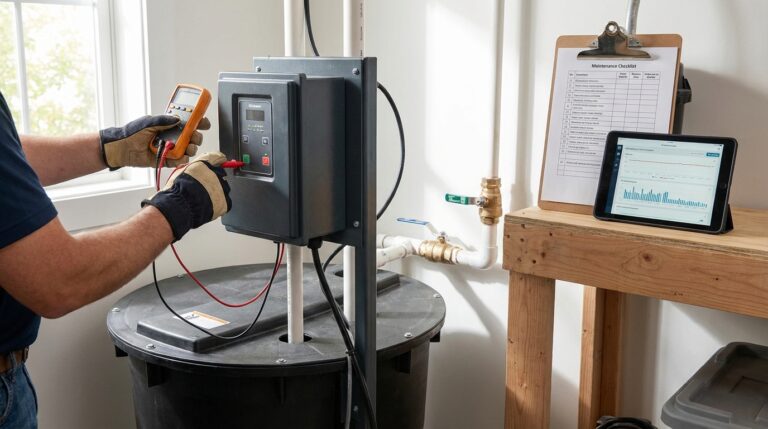
If pump not running often enough: Test float switch manually by lifting it. Clean the impeller and intake screen. Verify electrical system provides consistent power through GFCI outlet. Check circuit breaker for trips indicating electrical issues.
If pump frequency suddenly increases: Inspect for new moisture sources like damp crawlspace conditions or wet basement areas. Verify French drain systems function properly. Look for signs of mold and mildew indicating chronic flooding problems.
Maintenance Schedule for Optimal Drainage Efficiency
According to contractor recommendations (2024), implement quarterly pump troubleshooting inspections. Test how to tell if sump pump is working properly by pouring water into the pit monthly. Clean sump basin debris affecting pump performance indicators semi-annually.
Consider installing a battery backup system for flood pump reliability during power outages. A backup sump pump provides redundancy preventing basement flooding prevention failures. For comprehensive guidance on maintenance intervals, consult resources on how often should a sump pump run under various conditions.
Next Steps: When to Contact a Professional
Contact a licensed plumber if troubleshooting efforts don’t resolve excessive pumping or pump won’t stop running issues within 48 hours. Professional assessment identifies hidden problems like pump capacity inadequacy, maximum sump pump runtime violations, or complex drainage system failures.
Schedule immediate inspection if you observe water infiltration despite pump operation, unusual pump motor sounds, or can a sump pump run 24 hours straight scenarios causing is it bad if sump pump runs constantly concerns. Professional intervention prevents catastrophic flooding and minimizes sump pump non stop damage risks.
For properties with persistent high water table sump pump frequency challenges, contractors may recommend supplementary dewatering solutions, expanded sump system capacity, or enhanced basement water control measures ensuring pump longevity and reliable groundwater management.