 24 X 7 online support
  Contact Us Free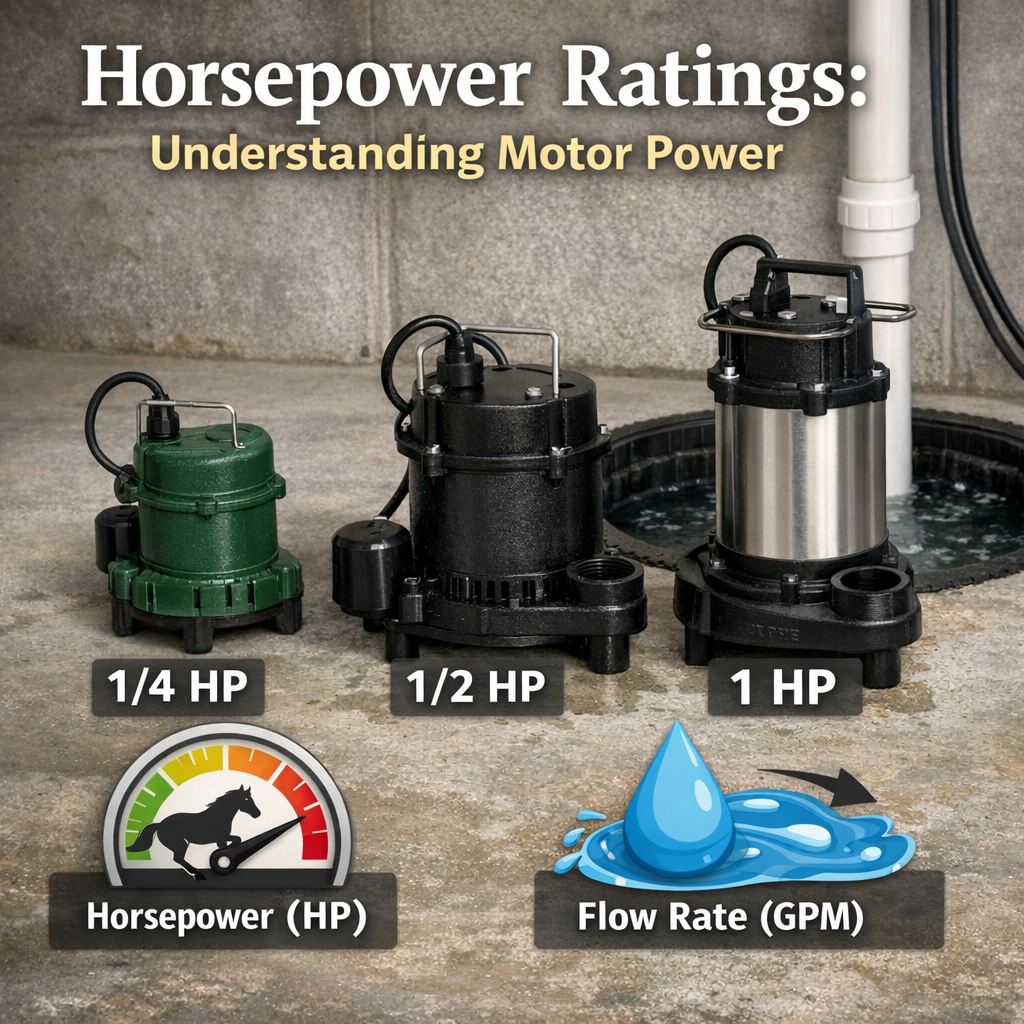
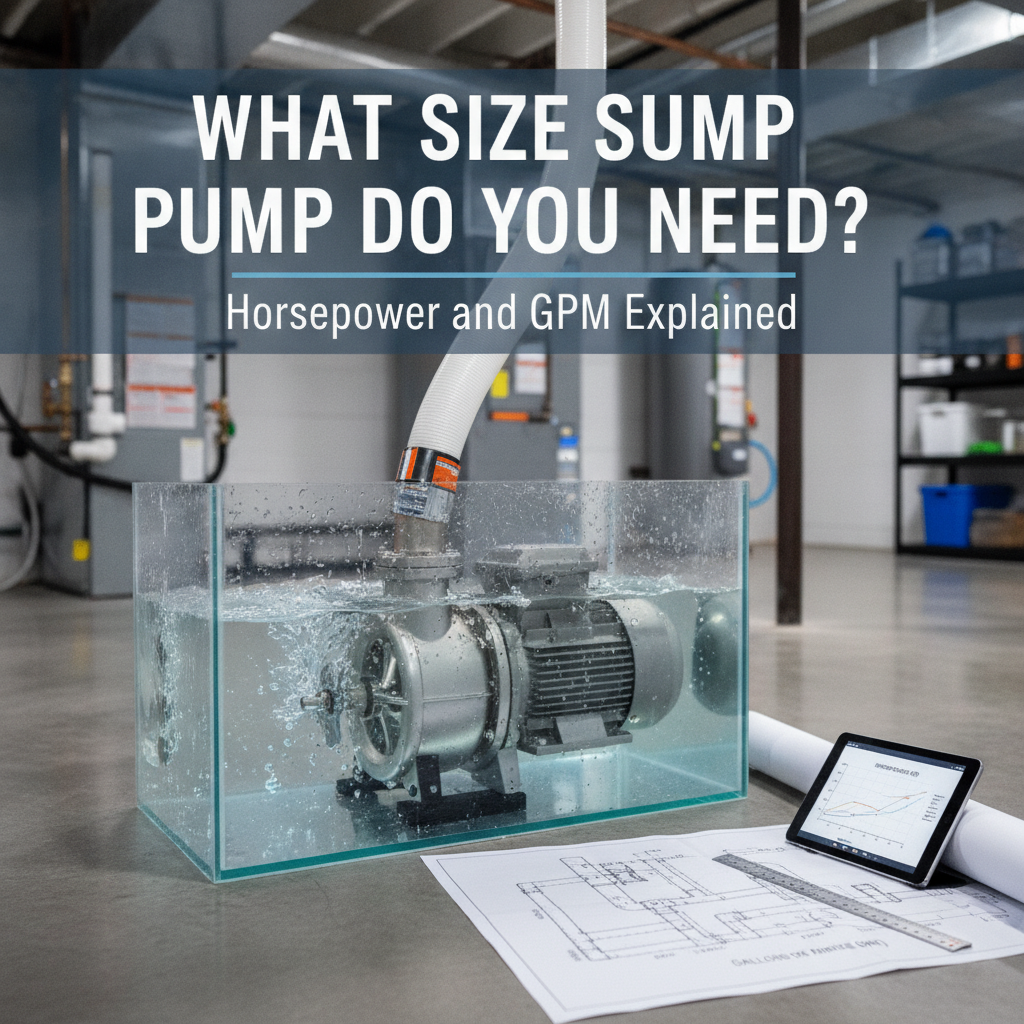
What Size Sump Pump Do You Need? Horsepower and GPM Explained
A sump pump size is determined by two primary specifications: horsepower (HP) and gallons per minute (GPM), which together indicate the pump’s capacity to remove water from a basement or crawl space at a given vertical lift distance. According to industry standards established by major manufacturers in 2024, proper sizing requires matching both the motor power and discharge capacity to your specific drainage requirements, water table conditions, and maximum pumping height.
Why Proper Sump Pump Sizing Matters for Basement Protection
Undersized sump pump problems include continuous operation, shortened motor lifespan, and basement flooding during peak water volume events. An undersized drainage solution cannot handle the inflow rate during heavy rainfall areas, resulting in water intrusion and potential foundation damage. Conversely, an oversized pump causes short cycling, where the pump switches per hour exceed manufacturer guidelines, reducing pump efficiency and increasing energy consumption. The relationship between horsepower and pumping capacity directly affects flood prevention effectiveness and operational efficiency.
Horsepower Ratings: Understanding Motor Power
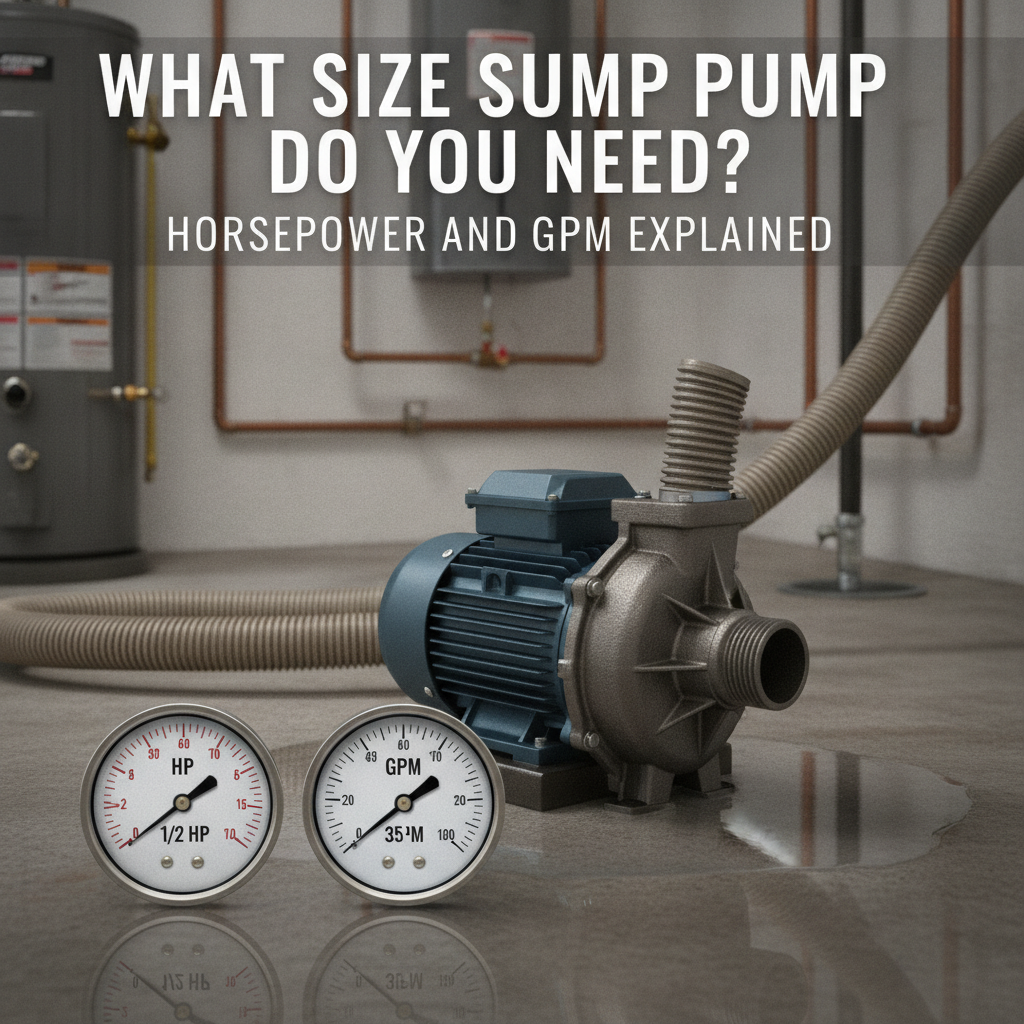
Sump pump horsepower ratings typically range from 1/4 HP to 3/4 HP for residential applications, with each increment providing greater pumping capacity and maximum head capabilities.
1/4 HP Pump: Light-Duty Applications
A 1/4 HP sump pump delivers approximately 1,800-2,400 GPM at zero lift, suitable for minimal water seepage in shallow basins with vertical lift distances under 8 feet. These pumps serve crawl space installations where hydrostatic pressure remains low and intermittent flow conditions exist.
1/3 Horsepower Sump Pump: Standard Residential Use
The 1/3 HP pump represents the most common residential sump pump specification, providing 2,400-3,000 GPM at zero lift and maintaining adequate capacity up to 10 feet of vertical distance. This motor power rating handles typical basement size requirements for homes under 1,500 square feet with moderate water table levels.
1/2 HP Sump Pump: High-Capacity Drainage
A 1/2 HP sump pump moves 3,600-4,800 GPM at zero lift, maintaining sufficient power for maximum pumping height up to 15 feet. The difference between 1/3 and 1/2 HP sump pump performance becomes critical in deep basements, finished basement installations requiring continuous pumping, or properties experiencing seasonal flooding areas during spring thaw.
3/4 HP Pump: Commercial and Severe Conditions
Commercial sump pump sizing and severe flooding conditions necessitate 3/4 HP ratings, delivering 5,400-6,600 GPM at zero lift. These high capacity pump units handle continuous water seepage, high water table environments, and discharge elevation exceeding 18 feet.
GPM (Gallons Per Minute): Measuring Discharge Capacity
GPM rating indicates the water removal rate—the volume of water a pump can discharge per minute at a specific vertical lift. What does GPM mean for sump pumps determines actual water displacement under real-world conditions, accounting for friction loss, static head, and dynamic head.
How Vertical Lift Affects GPM Performance
The pump performance curve demonstrates that discharge capacity GPM decreases as vertical pumping distance increases. A 1/3 HP submersible pump producing 3,000 GPM at zero lift may deliver only 1,800 GPM at 10 feet and 900 GPM at 15 feet of total head. Calculating vertical lift for sump pump selection requires measuring from the sump pit bottom to the final discharge point, including horizontal run conversions (every 10 feet of horizontal equals approximately 1 foot of vertical lift due to friction head loss).
Minimum GPM for Effective Basement Drainage
According to plumbing code requirements updated in 2024, recommended GPM for standard basement protection starts at 2,000 GPM at the pump’s operating head height. Properties with drainage tile systems, perimeter drain installations, or French drain configurations connecting to the sump basin require higher flow rate specifications to prevent water backup during peak water volume events.
Key Factors That Determine Sump Pump Size Needed
- Basin Size and Pit Capacity: Minimum pit size standards specify 18-inch diameter basins holding 15-20 gallons, requiring pump cycle time between 30-90 seconds to prevent motor overheating.
- Water Table Level: High water table environments demand greater pump capacity calculation to handle continuous flow versus intermittent flow patterns.
- Discharge Distance: Total head calculation includes static lift (vertical height), pipe length, elbow fittings (each 90-degree elbow adds 1 foot equivalent), and discharge pipe size restrictions.
- Rainfall Intensity: Regional climate data determines peak water volume infiltration rates, with heavy rain events requiring sizing factors 1.5-2x standard capacity.
- Foundation Waterproofing: Properties with weep holes, incomplete basement waterproofing, or groundwater intrusion points need enhanced pumping capacity.
How to Calculate Sump Pump Horsepower Needed
Professional guide to sump pump sizing follows this calculation method established by the National Association of Home Builders in 2024:
- Measure maximum vertical lift from sump pit bottom to discharge point (include pipe length conversions).
- Estimate peak inflow rate by observing pump runtime duration during heavy rainfall (gallons per minute entering basin).
- Identify required GPM at operating head using manufacturer specs and pump performance charts.
- Select horsepower rating providing 20-30% capacity buffer above calculated requirements.
- Verify pump specifications meet minimum runtime of 45 seconds per cycle to prevent short cycling.
For detailed guidance on matching these specifications to your specific situation, refer to our comprehensive guide on how to size a sump pump for optimal performance.
Common Misconceptions About Sump Pump Sizing
Myth: Higher horsepower always means better pump performance.
Reality: Matching sump pump to drainage system capacity prevents short cycling and wasted energy efficient sump pump sizing strategies require appropriate HP for actual head pressure conditions, not maximum available power.
Myth: Submersible and pedestal pump capacity ratings are identical at the same HP.
Reality: Submersible sump pump sizing typically provides 10-15% greater pumping efficiency due to direct water cooling and motor placement, while pedestal pump capacity may decrease faster with vertical lift increases.
Myth: GPM ratings remain constant regardless of installation conditions.
Reality: Impact of friction loss on pump performance reduces actual discharge volume significantly, with smaller discharge pipe size and additional elbow fittings decreasing effective GPM by 20-40%.
Horsepower vs GPM: Which Specification Matters More?
The HP vs GPM debate resolves to this principle: horsepower indicates potential pump strength, while GPM at operating head reveals actual water evacuation capability. A 1/2 HP pump with poor pump efficiency rating may underperform a well-designed 1/3 HP unit at identical lift capacity. Comparing sump pump horsepower ratings requires examining pump performance curve data showing GPM output across the vertical lift spectrum relevant to your installation depth.
Residential Sump Pump Sizing Guidelines by Application
| Application | Recommended HP | Typical GPM Range | Max Vertical Lift |
|---|---|---|---|
| Light seepage, crawl space | 1/4 HP | 1,800-2,400 GPM | 8 feet |
| Standard basement, moderate water table | 1/3 HP | 2,400-3,000 GPM | 10 feet |
| Large basement, high water table | 1/2 HP | 3,600-4,800 GPM | 15 feet |
| Commercial, severe flooding conditions | 3/4 HP | 5,400-6,600 GPM | 20 feet |
Primary Pump vs Backup Sump Pump Size Requirements
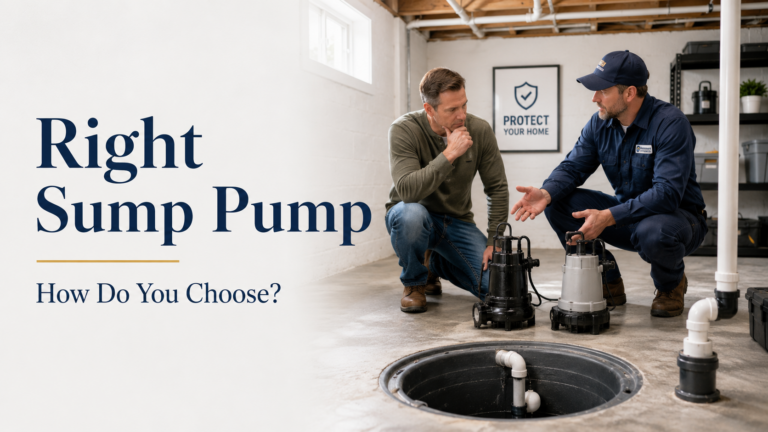
Primary pump sizing establishes baseline moisture control and automatic operation capability. Backup sump pump horsepower recommendations suggest matching or exceeding primary pump capacity, with battery backup systems typically offering 1/3 to 1/2 HP specifications. The backup pump activates during power outages, primary pump failure, or when water level control exceeds single-pump capacity during extreme water management scenarios. For additional insights on selecting appropriate pump configurations, see How Do You Choose the Right Sump Pump for Your Home?
Practical Applications: Matching Pump Size to Specific Scenarios
Scenario 1: A 1,000 square foot basement with 12-foot vertical lift to discharge and moderate spring rainfall requires a 1/2 HP pump delivering minimum 2,500 GPM at 12-foot head.
Scenario 2: A crawl space with 6-foot lift and minimal groundwater intrusion needs a 1/4 HP pump providing 2,000 GPM at operating conditions.
Scenario 3: A finished basement in heavy rainfall areas with 15-foot discharge height demands a 3/4 HP pump maintaining 3,000+ GPM at maximum head to ensure flooding prevention during peak water volume events.
Selecting pump size for finished basement installations prioritizes adequate horsepower for continuous water seepage while preventing pump activation frequency that creates noise disturbances. Calculating discharge pipe size for pump capacity requires matching pipe diameter to GPM flow (1.5-inch pipe for up to 3,000 GPM, 2-inch pipe for higher volumes) to minimize friction loss and maintain pump functionality.