 24 X 7 online support
  Contact Us Free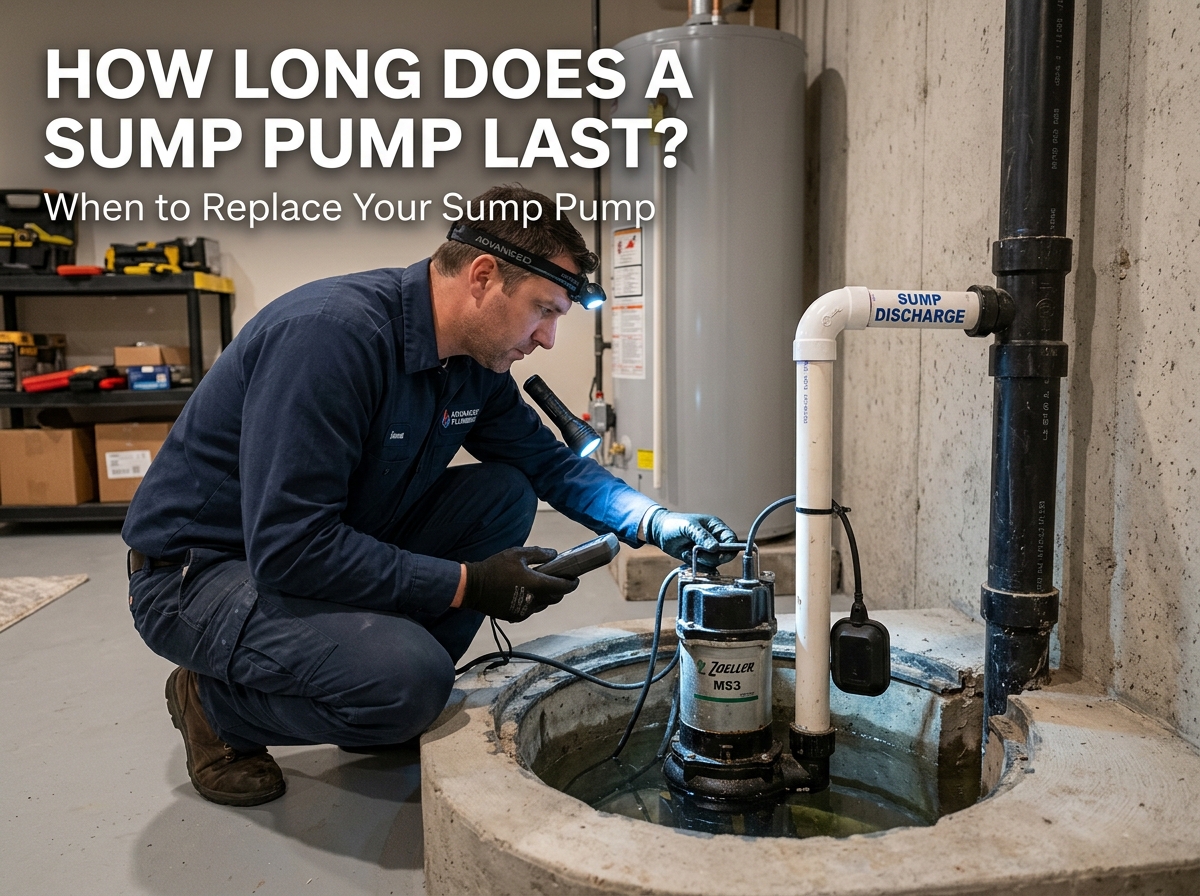
How to Determine Sump Pump Lifespan: 7-Step Replacement Guide
Outcome: Determine your sump pump’s remaining lifespan and decide whether to repair or replace it. Timeframe: 30-45 minutes for inspection. Skill Level: Beginner to Intermediate (basic tools required; electrical work may need a licensed plumber).
A sump pump lifespan averages 7 to 10 years, according to manufacturer data from Zoeller, Wayne, and Liberty Pumps (2024). Submersible pumps typically last 5-15 years depending on usage, while pedestal pumps often last 20-30 years due to their above-water motor placement.
Before You Begin: Prerequisites Checklist
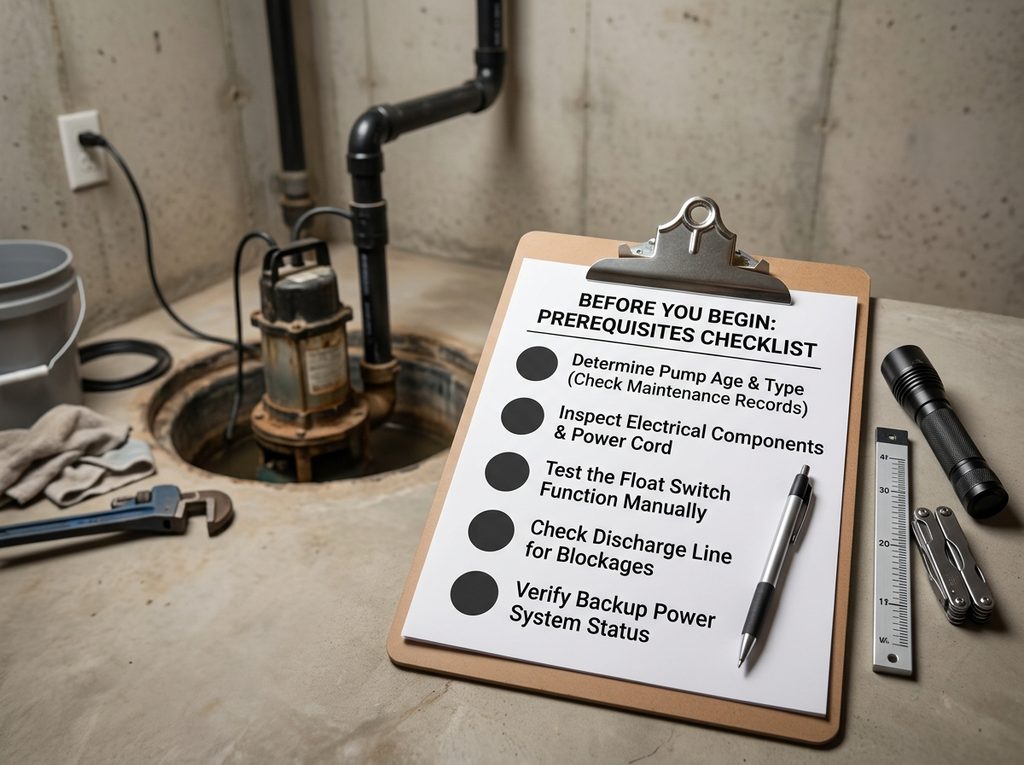
- Tools needed: Flashlight, bucket of water, multimeter (optional), notepad
- Safety requirement: Ensure the outlet is a GFCI outlet before testing electrical components
- Skill level: Basic DIY knowledge; call a plumber for motor or wiring issues
- Time commitment: 30-45 minutes for full inspection
- Documentation: Locate your manufacturer warranty paperwork
Step 1: Identify Your Sump Pump Type and Age
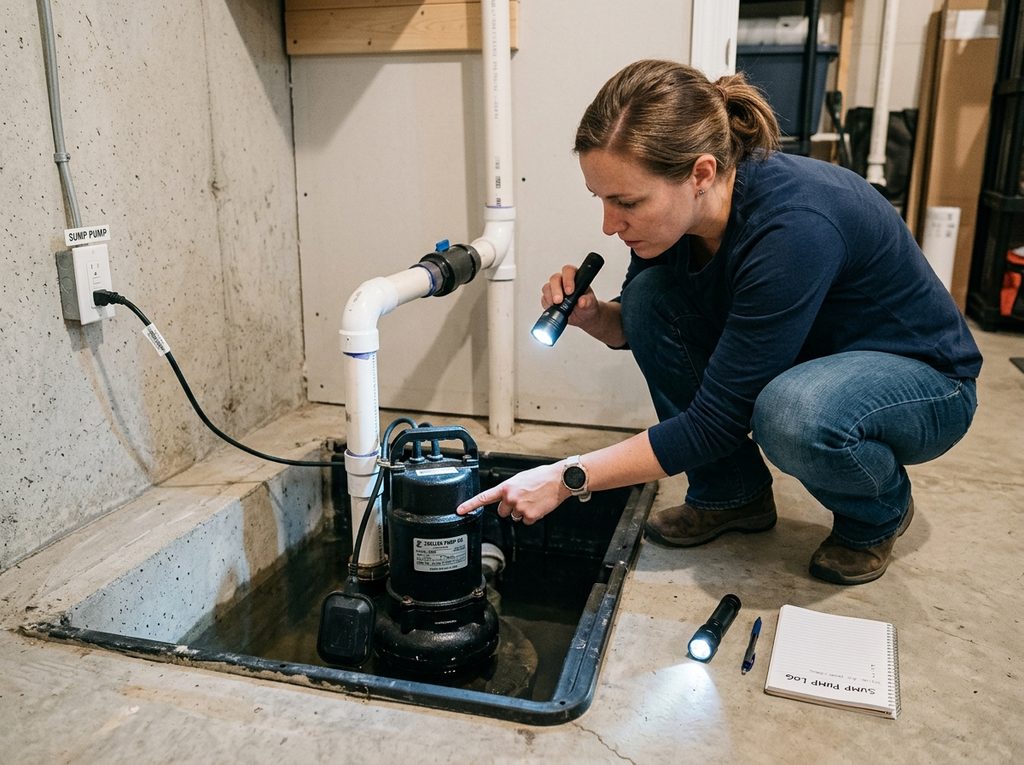
Locate the model number and installation date sticker inside your sump pit.
Sub-step 1.1: Distinguish Submersible vs. Pedestal Pumps
Submersible pumps sit fully underwater in the sump pit. Pedestal pumps keep the motor above the pit, extending pedestal pump lifespan beyond submersible models.
Sub-step 1.2: Calculate Current Age
Subtract the installation year from 2025. If your pump exceeds 7 years, begin monitoring closely for signs of sump pump failure.
Step 2: Test Sump Pump Functionality
Pour a 5-gallon bucket of water into the sump pit and observe the response.
Sub-step 2.1: Confirm Float Switch Activation
The float switch should trigger the pump within 10-15 seconds of water reaching threshold level.
Sub-step 2.2: Verify Water Discharge
Check that water exits properly through the discharge pipe without backflow, which indicates a failed check valve.
Step 3: Check for Signs of Sump Pump Failure
Unusual sump pump noise, such as grinding or rattling, signals impeller damage or motor bearing wear.
- Sump pump running constantly: Indicates float switch malfunction or high water table
- Sump pump not working: Check power supply and GFCI outlet first
- Sump pump motor burnout: Look for burning smell or tripped circuit breaker
- Vibration or excessive cycling: Suggests impeller wear from sediment buildup
Step 4: Inspect Critical Components
Sub-step 4.1: Examine the Check Valve
A faulty check valve allows water to flow backward, forcing the electric motor to work harder each cycle.
Sub-step 4.2: Assess the Sump Pit and Discharge Pipe
Clear debris from the sump pit and confirm the discharge pipe has no blockages or freezing (in winter).
Sub-step 4.3: Count Sump Pump Cycles
Pumps cycling over 15-20 times daily wear out faster; this sump pump cycle count often signals excessive water table pressure or undersized horsepower.
Step 5: Evaluate Your Battery Backup System
Test the battery backup sump pump monthly to ensure functionality during power outages.
Sub-step 5.1: Check Battery Charge Level
Most battery backup systems hold charge for 7-10 hours; replace batteries every 3-5 years.
Sub-step 5.2: Simulate Power Outage
Unplug the primary pump and confirm the backup activates automatically as your emergency sump pump backup.
Step 6: Decide Repair vs. Replace
According to HomeAdvisor (2024), sump pump repair cost ranges from $100-$300, while sump pump replacement cost ranges from $400-$1,200 including installation.
| Factor | Repair | Replace |
|---|---|---|
| Pump Age | Under 5 years | Over 7 years |
| Cost | $100-$300 | $400-$1,200 |
| Warranty Status | Active | Expired |
Learn more about factors affecting sump pump lifespan to make an informed replacement decision.
Step 7: Choose a Replacement Pump
Compare sump pump brands like Zoeller, Wayne, and Liberty Pumps based on horsepower and warranty period.
Sub-step 7.1: Match Horsepower to Sump Pit Size
Standard basements need 1/3 to 1/2 HP; larger basements with high water table levels require 3/4 HP or higher.
Sub-step 7.2: Verify Manufacturer Warranty
Most warranties cover 3-10 years; register your product immediately after sump pump installation.
Troubleshooting Common Sump Pump Issues
- If the pump won’t turn on → Check the GFCI outlet and reset if tripped.
- If the float switch sticks → Clean debris and reposition within the sump pit.
- If water backflows into the pit → Replace the check valve immediately.
- If the pump runs but no water discharges → Inspect the discharge pipe for ice or clogs.
- If basement flooding occurs during storms → Install a battery backup system as redundancy.
Next Steps: Long-Term Sump Pump Maintenance Tips
- Test your pump quarterly using the bucket method described in Step 2.
- Schedule an annual inspection with a licensed plumber or home inspector.
- Clean the sump pit and impeller every 6 months to prevent sediment buildup.
- Consider a french drain system alongside basement waterproofing for added water damage prevention.
- Replace batteries in your battery backup sump pump every 3-5 years.
Following this sump pump inspection checklist helps homeowners avoid unexpected basement flooding and extend the average life of sump pump systems well beyond factory estimates.