 24 X 7 online support
  Contact Us Free
What Is a Grinder Pump? A Complete Guide to Sewage Grinding Systems
A grinder pump is a submersible sewage pumping solution that grinds solid waste into fine particles (slurry) and pumps it through pressurized sewer lines to a municipal sewer line or sewage system. Unlike gravity sewer systems, grinder pumps enable wastewater conveyance from properties located below sewer grade or in areas where traditional gravity flow is impossible.
Why Grinder Pumps Matter in Modern Wastewater Systems
According to the Environmental Protection Agency (EPA, 2023), approximately 600,000 homes in the United States rely on pressure sewer systems requiring grinder pumps. These residential wastewater solutions address topographical challenges, reduce infrastructure costs for municipalities, and enable development in previously unbuildable areas. The grinding mechanism transforms sanitary waste into pumpable slurry, protecting downstream equipment from clogs and damage.
Key Characteristics of Grinder Pump Systems
Grinder pumps feature five essential characteristics that distinguish them from other waste disposal technologies:
- Solids Maceration: Cutting blades rotate at high speed (1,750-3,450 RPM) to shred waste into particles smaller than 1/4 inch, creating a uniform waste slurry suitable for long-distance pumping through narrow discharge piping.
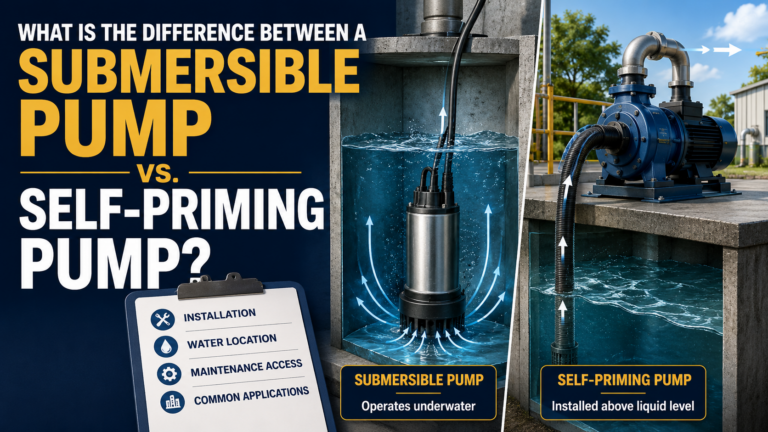
- Submersible Design: The entire pump unit—including motor, impeller, and grinding action components—operates fully submerged within a sealed pump chamber or pump vault, protecting electrical systems from environmental exposure.
- Automated Operation: Float switch technology activates the pump when wastewater reaches predetermined levels, then deactivates upon chamber drainage, requiring no manual intervention during normal pump operation.
- High Head Pressure Capability: Grinder pumps generate 40-150 PSI discharge capacity, enabling uphill pumping over distances exceeding 200 feet vertically or several thousand feet horizontally through force main systems.
- Integrated Alarm System: Built-in high water alert mechanisms notify property owners of pump failure, power outages, or excessive inflow before emergency overflow occurs.
How a Grinder Pump Works: Step-by-Step Operation
The pumping mechanism follows a precise sequence optimized for solids handling and waste grinding efficiency:
- Collection Phase: Sanitary waste flows from the plumbing system into an underground pump chamber (typically 30-300 gallon capacity) via gravity drainage from household fixtures.
- Maceration Process: When wastewater reaches the float activation level, the control panel energizes the motor, spinning cutting blades at high velocity to grind solids against a stationary cutting mechanism.
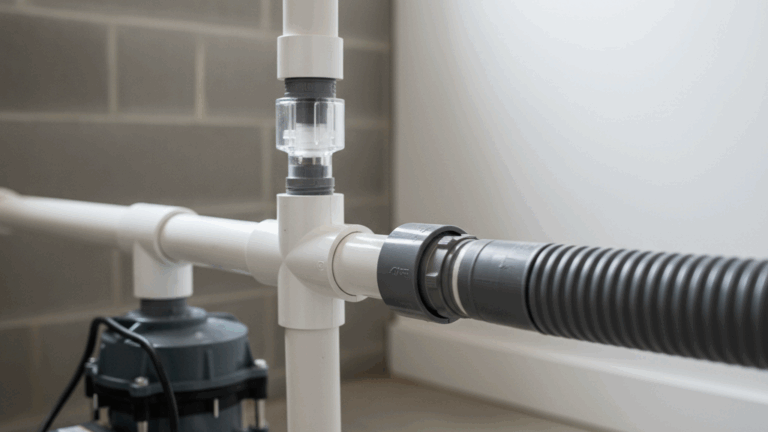
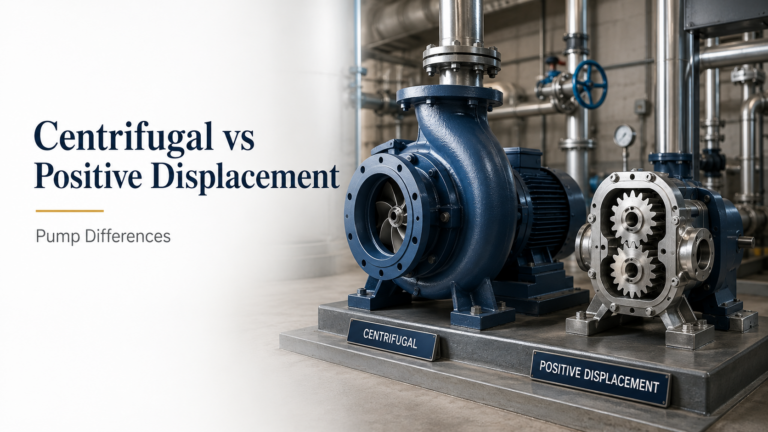
- Pressure Discharge: The centrifugal pump action forces the resulting effluent discharge through a check valve into the discharge pipe, preventing backflow when the pump deactivates.
- Forced Sewer System Transport: Pressurized waste travels through a low pressure sewer network (typically 2-4 inch discharge line) to connect with municipal collection systems or lift station infrastructure.
- Automatic Reset: Once the chamber empties to the lower float level, the pump automation system shuts off, awaiting the next cycle.
According to Environment One Corporation (E/One), a leading manufacturer of pressure sewer technology since 1969, properly maintained grinder pumps complete 4-8 cycles daily in average residential applications, processing 200-400 gallons per day with minimal energy consumption.
Grinder Pump vs Sewage Ejector Pump: Critical Differences
The distinction between a grinder pump and sewage ejector pump determines system performance and application suitability:
| Feature | Grinder Pump | Sewage Ejector Pump |
|---|---|---|
| Primary Function | Grinds and pumps waste slurry through pressurized lines | Pumps raw sewage short distances to gravity sewer |
| Solids Processing | Macerator pump cuts waste to <1/4 inch particles | No grinding; passes solids up to 2 inches |
| Discharge Line Size | 2-4 inch pressure line | 4-6 inch gravity drainage pipe |
| Pumping Distance | Uphill sewage transport up to 5,000 feet horizontal | Limited to 10-20 feet vertical lift |
| Horsepower Rating | 1-2 HP for residential sewage pump applications | 0.5-1 HP for basement pump system needs |
| Application | Low pressure collection in areas without gravity sewer | Below grade pumping to nearby sanitary sewer connection |
Unlike a sump pump (which handles only clear groundwater) or trash pump (designed for debris-laden water), grinder technology specifically addresses sanitary waste disposal challenges requiring particle size reduction.
Grinder Pump vs Septic System: System Comparison
Property owners facing wastewater management decisions often compare grinder pump systems with traditional septic tank installations:
Septic System: A septic system treats wastewater on-site through bacterial decomposition in an underground holding tank, requiring periodic pumping every 3-5 years. Initial installation costs range from $3,000-$10,000 (as of 2025) but require suitable soil percolation and minimum lot sizes.
Grinder Pump Installation: Grinder pump installation cost typically ranges from $4,000-$12,000, connecting properties to centralized municipal treatment facilities. According to Pump Pros, professional installation ensures proper pump sizing, electrical requirements compliance, and optimal pump chamber installation for long-term reliability.
The STEP system (Septic Tank Effluent Pump) represents a hybrid approach, using septic tanks for primary treatment before pumping clarified effluent, whereas grinder pumps eliminate septic infrastructure entirely.
When to Use a Grinder Pump: Practical Applications
Grinder pumps solve specific sewage conveyance challenges across residential and commercial wastewater scenarios:
Residential Grinder Pump Systems
- Properties Below Sewer Grade: Homes in valleys or below-street-level lots where gravity flow to sanitary sewer is impossible
- Basement Bathroom Addition: Installing fixtures below the main sewer line elevation, such as grinder pump for basement bathroom configurations
- Flat Terrain Development: New subdivisions where pump and grind systems reduce excavation costs compared to deep gravity sewer trenches
- Uphill Pumping Requirements: Properties requiring waste elevation over hills or long distances to reach collection systems
Commercial Grinder Pump Applications
- Restaurants with high solids content requiring shredder pump capability
- Medical facilities needing reliable waste pump performance
- Retail developments in areas with existing low pressure sewer infrastructure
- Industrial facilities requiring solids handling pump solutions for specific waste streams
Common Misconceptions About Grinder Pumps
Myth: Grinder pumps require constant maintenance and frequent repairs.
Reality: Quality units from manufacturers like Zoeller, Liberty Pumps, and Myers typically achieve a pump lifespan of 10-15 years with minimal grinder pump maintenance requirements. Annual inspections suffice for most residential applications.
Myth: Grinder pump power consumption significantly increases utility bills.
Reality: Average energy consumption ranges from $2-$5 monthly (based on 2025 electricity rates), as pumps operate only during brief discharge cycles totaling 15-30 minutes daily.
Myth: All submersible sewage pumps are interchangeable.
Reality: Chopper pump, cutter pump, and effluent pump system designs serve different purposes. Only grinder technology provides adequate sewage maceration for pressure sewer system compatibility.
Myth: Grinder pump alarm going off always indicates pump replacement necessity.
Reality: High water alerts often result from temporary power outages, tripped breakers, or excessive water usage rather than mechanical pump failure.
Grinder Pump Maintenance and Troubleshooting
Proper pump maintenance extends equipment durability and prevents costly grinder pump repair near me emergency service calls:
Grinder Pump Maintenance Checklist
- Annual Inspection: Professional examination of motor, cutting mechanism, check valve, and electrical system integrity
- Alarm Testing: Quarterly verification of backup protection and high water alert functionality
- Chamber Cleaning: Removal of accumulated debris every 3-5 years to maintain flow capacity
- Float Switch Verification: Ensuring proper pump automation response to water level changes
- Discharge Piping Check: Inspecting force main for leaks, corrosion resistance, or blockages
Grinder Pump Troubleshooting Tips
Why is my grinder pump not working? Check circuit breaker position, GFCI reset buttons, and control panel indicators before contacting service providers. Power interruption accounts for 60% of non-operational pump complaints (EPA data, 2024).
Grinder pump making noise: Grinding sounds during operation are normal; however, grinding when no water flows suggests bearing wear or impeller damage requiring professional diagnosis.
Grinder pump running continuously: Indicates either float switch malfunction or discharge line obstruction preventing proper chamber drainage.
Sizing and Installation Requirements
Proper grinder pump sizing guide considerations ensure adequate pump performance:
How to Size a Grinder Pump
- Flow Capacity: Calculate peak demand (GPM – gallons per minute) based on fixture count; residential homes typically require 15-40 GPM
- Pumping Head: Measure vertical elevation plus horizontal distance (100 feet horizontal = approximately 5 feet vertical head pressure)
- Grinder Pump Capacity Requirements: Account for simultaneous fixture use and future expansion needs
- Grinder Pump Discharge Pipe Size: Match discharge line diameter (typically 2-4 inches) to manufacturer specifications for optimal pump efficiency
Grinder Pump Installation Requirements
Professional grinder pump system design addresses critical factors:
- Grinder Pump Electrical Requirements: Dedicated 230V circuit with GFCI protection and emergency disconnect
- Pump Chamber Installation: Buried pump vault with adequate capacity (minimum 70-gallon wet well for residential use)
- Plumbing Installation: Proper slope, check valve placement, and union connections for future pump replacement accessibility
- Exterior Pump vs Interior Pump: Exterior installations simplify service access while interior pump systems protect equipment in extreme climates
Cost Considerations and System Lifespan
Understanding financial implications guides informed decisions:
How much does a grinder pump cost? Equipment prices range from $800-$2,500 for residential units (Zoeller, Liberty Pumps, Myers brands). Complete grinder pump installation cost including electrical work, pump chamber, and plumbing installation totals $4,000-$12,000 depending on site conditions (2025 market rates).
Grinder pump replacement cost: Unit replacement averages $1,500-$3,000 including labor, significantly less than full system reinstallation.
Operating cost: Minimal energy consumption ($24-$60 annually) plus grinder pump service cost of $150-$300 for annual professional maintenance creates predictable long-term expenses.
How long do grinder pumps last? With proper maintenance, quality grinder pumps from manufacturers like E/One achieve 10-15 year service lives before requiring replacement, matching or exceeding comparable drainage pump technologies.
The investment in pressure sewer infrastructure provides reliable waste disposal for properties where gravity sewer systems prove impractical, with municipal agencies increasingly adopting low pressure collection as a cost-effective alternative to traditional pumping station networks.