 24 X 7 online support
  Contact Us Free
Why Backup Pumps Are Essential (and How They Protect Your Home During Power Outages) | Backup Power Tips & Pumps Guide
When the power goes out, your home’s primary pumps, such as sump or sewage pumps, can fail, leaving your property vulnerable to flooding and water damage. Backup pumps offer a crucial layer of protection during these emergencies, automatically kicking in when your main system shuts down. Understanding their importance and how they operate empowers homeowners to safeguard their properties against unexpected disasters. In this guide, we’ll explore why backup pumps are essential, reveal their key benefits, and provide expert tips on choosing the best solutions, ensuring your home stays protected when you need it most.
Key Highlights
- Backup pumps protect homes from flooding and water damage during power outages or primary pump failures.
- Battery and water-powered backups provide reliable operation when electricity is unavailable, ensuring continuous water removal.
- Regular maintenance and professional installation are crucial for preventing pump failures and maximizing system reliability.
- Water-powered backup systems offer long-lasting, maintenance-light solutions independent of batteries or electricity.
- A combination of primary pumps and backups creates a resilient, comprehensive defense for basement and plumbing safety.
Understanding the Importance of Pump Backup Systems
Safeguarding your home during a power outage requires more than just a reliable sump pump; it demands a comprehensive approach that includes a backup pump or backup sump pumps. While a primary sump pump is designed to keep your basement dry and protect your plumbing from water damage, it can falter when you lose power, experience mechanical failure, or face torrential downpours. That’s where a backup system proves to be an essential home safeguard, stepping in to maintain continuous water removal even when your main system cannot.
Homeowners often overlook the risks associated with relying on a single system. If your sump pump is your first line of defense, backup sump pumps, either battery-powered or water-powered, act as a strategic failsafe. They’re vital not only for ongoing protection but also for preserving the long-term integrity of your plumbing system. Installing backup sump pumps means you’re not leaving the safety of your home up to chance during critical moments. Instead, a pump backup ensures the sump pit is emptied, preventing mildew, structural damage, and flooded basements. In areas prone to severe weather, pump backup systems are especially critical, as they boost confidence that your backup system will perform when it matters most.
The role of backup pumps extends beyond just emergencies. Their presence supports the main sump pump, minimizes wear and tear on the existing system, and demonstrates a proactive approach to home maintenance. For homeowners looking to understand which system suits their needs best, resources like Pump Professionals offer trustworthy guidance on choosing and maintaining backup sump pumps, plumbing integration, and overall system reliability. By building redundancy into your plumbing systems, you’re making an investment in peace of mind and resilient home protection, foundational pillars for any modern essential home.
How Power Outages Impact Your Home’s Protection
Power outages strike unexpectedly, placing your essential home systems at immediate risk. When the electricity fails, any pump that depends solely on utility power, like your primary sump pump, can stop working instantly. This interruption not only halts water removal from your basement or crawl space but can also compromise the effectiveness of your plumbing, exposing your property to costly water damage. With severe weather being a frequent cause of power outages, losing this first line of flood defense is particularly concerning during heavy rainfall or sudden snowmelt, when water intrusion is most likely.
To counteract these threats, many homeowners turn to a backup pump, an invaluable addition to any backup system. Battery backup pumps and water-powered pumps offer reliable operation independent of your home’s electricity. When the primary system fails, a robust battery backup activates, ensuring that water doesn’t accumulate in vulnerable areas. This seamless transition is crucial for maintaining plumbing integrity, especially during service disruptions when professional help may not be immediately available. Installing battery backup or water-powered pumps can mean the difference between a dry, protected basement and expensive repairs to floors, walls, and other vital home structures.
Generators, especially standby generators, can also provide an added layer of defense. By keeping your entire system, including your sump pump and backup pumps, functioning during an extended outage, generators reduce downtime and prevent hazards arising from stagnant water. Proper installation and regular service of both pumps and generators ensure that your backup system is prepared for unexpected storms or grid failures. For those who want uninterrupted water control, these safety nets are not just options, they’re essential parts of a comprehensive installation and plumbing protection plan, yielding long-term value for any essential home.
The Role of the Primary Pump in Preventing Basement Flooding
The primary pump serves as the cornerstone of your home’s basement water management system, playing an essential role in preventing flooding, water damage, and costly repairs. Designed to respond automatically when water accumulates in your sump pit, the primary pump channels excess water away from your foundation and into your sewer line or a designated drainage area. Its effectiveness relies on proper installation, ongoing service, and routine drain cleaning, as any lapse can lead to decreased efficiency or outright pump failure. When a primary sump pump functions as intended, it keeps your basement dry, your foundation secure, and your plumbing system healthy even during the heaviest rain. However, if a pump fails due to lack of maintenance, power outages, or age-related wear and tear, the risk of basement flooding dramatically increases.
System reliability begins with the right choice and installation of your primary pump. Trusted manufacturers and experienced professionals, such as those highlighted at Pump Professionals, offer guidance on pump selection, seamless installation, and ongoing service. Yet, even the best primary pumps aren’t immune to unexpected events. Heavy water loads, clogs from inadequate drain cleaning, or a failure in the sewer line can overload your system or result in water backing up into your basement. That’s why integrating a backup pump and battery backup sump pump in your systems isn’t just advisable, it’s vital. Backup sump pumps and water-powered systems activate automatically if the primary pump fails, protecting your home and providing valuable peace of mind.
Ultimately, while your primary sump pump is your first line of defense, relying on it exclusively puts your home at risk during service interruptions, installation defects, or unexpected pump failure. A comprehensive approach, one that recognizes the interplay between your primary pump, backup solutions, and plumbing systems, ensures effective water management and long-term home safety. Regular attention to installation, service, and drain cleaning keeps your system healthy and drastically reduces the chances that your pump fails in a critical moment.
Common Causes of Pump Failure and How to Prevent Them
Understanding the root causes of pump failure is crucial for keeping your essential home protections intact. A sump pump, or any of the pumps guarding your basement, can fail for several reasons, but preventative maintenance and a reliable backup system minimize these risks. The most common cause of pump failure is power loss, which leaves homes unprotected unless a battery backup or water-powered backup pump is in place. Yet power isn’t the only factor; mechanical failures due to worn parts, improper installation, clogged intakes, or issues within your plumbing can also bring your primary pump or backup pump to a halt.
Regular maintenance is one of the most effective ways to prevent both primary pump and backup pump breakdowns. Consistent service ensures that debris doesn’t accumulate, float switches move freely, and the pump remains operational during heavy water inflow. Testing your pumps and backup system, especially before storm season, helps identify problems early. Homeowners should also remember that improper installation is a leading reason a sump pump fails, so relying on professional service is essential for reliable performance. That includes carefully routing plumbing, ensuring water isn’t recycled, and calibrating your battery backup or backup system for instant response during power interruptions.
Pumps are mechanical devices, and even the best models will eventually wear out. To avoid being caught off guard, check your sump pump and backup system manufacturers’ lifespan guidelines and replace units as recommended. Periodic inspection of all plumbing connections, ensuring your battery backup is charged, and verifying water-powered backup functionality provide comprehensive defense. Incorporating the right installation, routine service, and thorough backup system consideration are what set apart homes that weather outages unscathed from those dealing with disaster when any pump fails.
Advantages of Water-Powered Backup Solutions
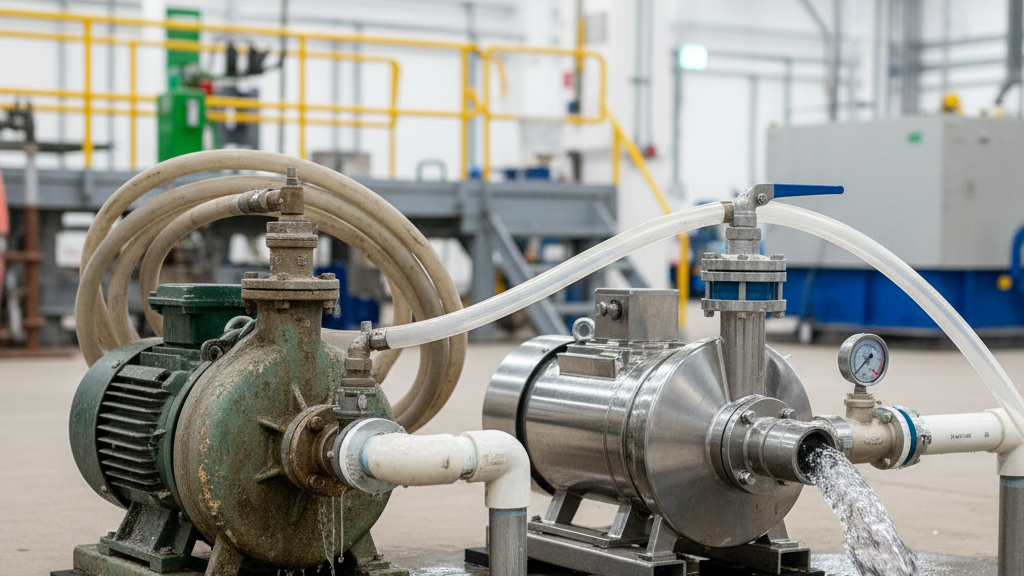
Water-powered backup systems offer a unique advantage for homeowners seeking reliable sump pump protection, especially during extended power outages. Unlike battery backup or electric pumps, a water-powered backup leverages your home’s municipal water supply for power, so it remains fully operational when electricity fails. This intrinsic reliability becomes a game-changer when your primary sump pump stops working, as the water-powered backup ensures unwanted water is efficiently expelled from your basement, preserving your plumbing and avoiding serious water damage. With no dependency on battery backup or worrying about charging cycles, this system provides peace of mind and seamless operation in the toughest conditions.
Installing a water-powered backup pump means you don’t have to monitor or replace batteries, a common concern with many backup sump options. The system harnesses the pressure from your plumbing to activate the pumps, moving water away from the sump pit with impressive efficiency. This approach can significantly reduce the risk of basement flooding during storms, heavy rain, or even plumbing system malfunctions. As a bonus, a water-powered backup often has a longer lifespan than battery backup solutions, since there’s less reliance on electronic components and fewer parts prone to wear. For anyone living in areas susceptible to severe weather, supplementing your existing sump pump with a water-powered backup is a straightforward way to strengthen your overall system without adding considerable maintenance requirements.
Because water-powered backup pumps integrate directly with your home’s plumbing, their continuous operation protects you not only from power outages but also from mechanical or system failures. Should the main pump falter, the water-powered backup sump kicks in instantly without any manual intervention, ensuring water management continues smoothly. Combining these pumps with regular service for both your main and backup sump systems creates a comprehensive safety net, keeping your essential home safeguarded against unpredictable water events. Embracing this dual-layered approach provides both instant defense during emergencies and long-term system resilience, making water-powered solutions a valuable addition for modern homeowners.
Comparing Different Pumps for Maximum Home Safety
Home safety depends on more than just installing a single sump pump; the choice and combination of primary pumps, battery backup systems, and water-powered backup solutions all play a crucial role in keeping your basement dry and plumbing secure. Each pump type offers distinct advantages for protecting your essential home systems, particularly during power outages or heavy storms. By understanding how backup sump pumps, battery-powered systems, and redundant setups work together, homeowners can tailor solutions that ensure long-term reliability. Making the right decision for your system involves balancing performance, maintenance, and service considerations for comprehensive water management and peace of mind.
Key Maintenance Tips to Ensure Reliable Pump Performance
Proper maintenance is the cornerstone of a reliable backup sump pump system, supporting both your primary pump and backup pumps to keep your plumbing and basement protected from water damage. Regular maintenance starts with inspecting your sump pumps, both primary and backup, at least twice a year. Look for any debris in your sump, check for proper float switch operation, and test each pump by pouring water into the pit to ensure timely activation. Primary pumps can become overwhelmed or fail if intakes are clogged, so thorough sump cleaning is an essential step. Equally crucial is verifying backup sump pumps, especially battery backup sump pump models, are fully functional and their batteries are charging correctly. Old or uncharged batteries are a leading reason battery-powered systems can let you down in a true emergency.
Routine maintenance doesn’t stop at the pumps themselves. Check all system connections for leaks or corrosion, especially in battery backup sump, water-powered systems, and their respective plumbing lines. Ensure that backup systems are integrated correctly and test them by simulating a power outage to observe switchover response. Backup pumps depend on seamless handoff when your primary pump or main system fails, so this testing should be part of your seasonal home checklist. Keep a maintenance log to note service intervals, battery changes, and any previous pump failures, giving you a clear record for troubleshooting or warranty service if needed.
Installation quality is an ongoing concern for ensuring your pumps perform at their best. Even the highest-rated battery backup or backup sump pumps won’t last if initially installed incorrectly or if plumbing systems aren’t routed to prevent water recycling. Always follow manufacturer guidelines or consult with professional service providers experienced in both installation and ongoing support. This is particularly true for integrating battery backup sump systems, as poor electrical or plumbing connections can reduce efficiency or create vulnerabilities. Finally, make a habit of inspecting and cycling your battery every three to six months, replacing batteries as recommended to prevent failures during critical weather events. Regular service and attention not only extend the life of your pumps and backup systems but give you the confidence that when storms or power outages strike, your essential home protections are ready and reliable.
Practical steps homeowners can take to enhance the lifespan and reliability of their sump pump systems:
- Schedule regular inspections and maintenance, ideally at least once a year, to check for wear or potential issues.
- Test the sump pump by pouring water into the pit to ensure it activates and drains properly.
- Clean the pump inlet screen or grate to prevent debris buildup that could block water flow.
- Ensure the discharge line is free from obstructions and positioned to direct water away from the foundation.
- Install a battery backup or water-powered backup system to keep the pump operational during power outages.
- Replace the sump pump every 7–10 years or according to manufacturer recommendations, even if it appears to be working.
- Keep the sump pit clear of mud, stones, and loose debris that could interfere with pump performance.
- Listen for unusual noises or vibrations during pump operation, which may signal mechanical problems.
- Inspect and secure all electrical connections to avoid power disruptions or hazards.
By incorporating these habits into your home maintenance routine, you can promote long-term sump pump dependability and confidently protect your property from water damage.
Investing in a backup pump is a smart step toward protecting your home from flooding and costly water damage during unexpected power outages. By ensuring your sump pump system stays operational no matter what, you gain peace of mind and safeguard your property and valuables. Stay proactive by choosing the right backup solution and maintaining it regularly. With the right backup pump in place, you’ll be better prepared for storms, outages, and unforeseen emergencies, helping you keep your home safe, dry, and secure no matter the weather or situation.
FAQs
Why do I need a backup pump for my sump or sewage system?
A backup pump protects your home from flooding and water damage when your primary pump fails due to power outages, mechanical issues, or heavy storms. It automatically activates to keep your basement and plumbing safe during emergencies, ensuring continuous water removal when you need it most.
What types of backup pumps are available?
The two main types of backup pumps are:
- Battery-powered backup pumps: Use a charged battery to operate during power failures.
- Water-powered backup pumps: Rely on your home’s municipal water supply, so no electricity or batteries are needed.
How do I maintain my backup sump pump system?
Regular maintenance includes:
- Inspect both primary and backup pumps twice a year.
- Test by pouring water into the sump pit and ensure timely activation.
- Clean debris and check float switches.
- Ensure battery backups are fully charged and replace old batteries as needed.
- Check for leaks, corrosion, and verify proper installation.
What are the advantages of a water-powered backup pump?
Water-powered backup pumps work without electricity or batteries, offering long-lasting, low-maintenance operation. They activate automatically during power outages or mechanical failure, making them ideal for extended outages and reducing the risk of unexpected flooding.
Can I rely solely on my primary sump pump during heavy rains?
No. Exclusive reliance on a primary pump leaves your home vulnerable during power outages or if the pump fails. A backup pump creates a resilient and comprehensive defense system, providing peace of mind and reliable basement protection, especially during severe weather or unforeseen emergencies.