 24 X 7 online support
  Contact Us Free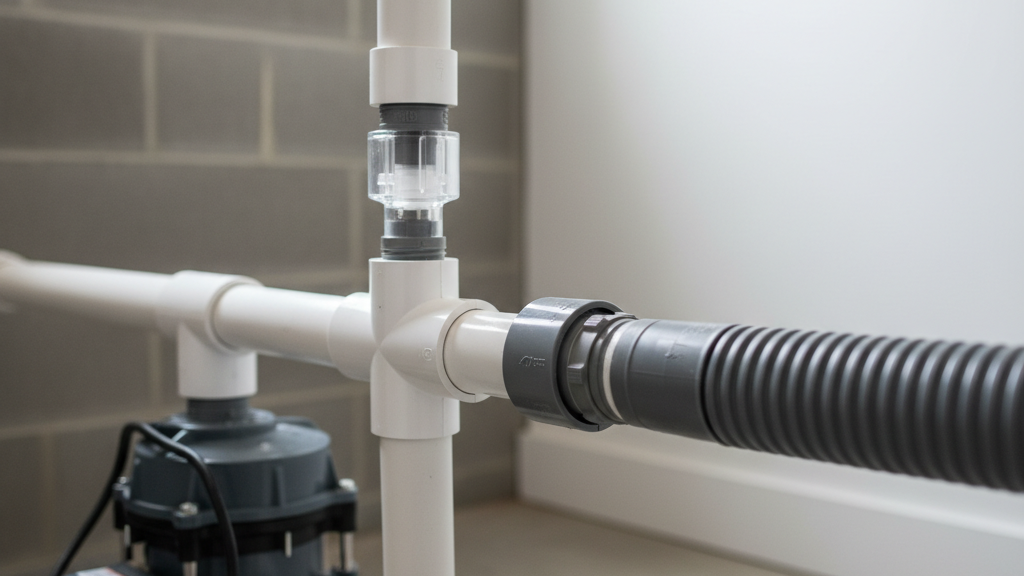
Preventing Basement Flooding How a Proper Pump System Saves Thousands in Repairs
Basement flooding can wreak havoc on your home, causing extensive damage and leading to costly repairs. Investing in a proper pump system is one of the most effective ways to prevent water intrusion, safeguard your property’s foundation, and maintain a safe living environment. With the right preventative measures, homeowners can avoid unexpected expenses and the headaches that come with cleaning up after a flood. Discover how a reliable pump system not only protects your basement but also saves you thousands of dollars in potential renovation and restoration costs.
Key Highlights
- A reliable sump pump system is essential for preventing basement flooding and avoiding expensive water damage repairs.
- Proper installation and regular maintenance of sump pumps protect against mold, structural issues, and unexpected plumbing emergencies.
- Sump pumps, French drains, and advanced waterproofing systems each have unique benefits and should be chosen based on specific property needs.
- Annual inspections and proactive maintenance, including backup system checks, are vital for reliable flood protection year-round.
- Investing in proven basement waterproofing strategies preserves home value, prevents costly repairs, and ensures long-term peace of mind.
Understanding Basement Flooding Risks and the Role of Sump Pump Systems
When it comes to basement flooding, homeowners know the risks go far beyond just wet floors. From hidden water leaks to hazardous mold, a flooding basement can quickly spiral into a costly nightmare. That’s why a reliable sump pump system is vital, not just for prevention but also to avoid expensive repairs and protect your home’s foundation. This part of the article explores what causes water to enter basements, why leaks develop, and how early leak detection services and professional plumbing inspection are crucial. We’ll also discuss how professional sump pump installation and backup systems give true peace of mind during emergencies.
Common Causes of Basement Flooding and Why Sump Solutions Matter
Basement flooding is a widespread issue that homeowners often underestimate, until they’re faced with significant water damage and the urgent need for emergency repair. Several factors contribute to flooding basement scenarios, from surface water seeping through foundation cracks to plumbing leaks or sewer backups. Heavy rainfall or snowmelt can saturate the ground and overwhelm your home’s defenses, causing water to enter through even the smallest opening. A hidden water leak or undetected leaks near plumbing lines can weaken walls and floors, eventually leading to substantial moisture buildup. Without proper leak detection, these issues often remain undetected until it’s too late, resulting in a need for immediate service and potentially extensive repairs.
Additionally, poor drainage systems around your home or a lack of waterproof barriers can make your basement vulnerable during storms. Even minor leaks can escalate over time, setting the stage for chronic mold growth and ongoing structural issues if left unchecked. Mold is more than an inconvenience; it poses real health risks and can drive up repair costs rapidly. Investing in regular inspection and service from plumbing professionals is crucial for early intervention. A modern, reliable sump pump system is designed to actively prevent flooding by collecting excess water in a pit and pumping it away from your foundation, even during power outages if a backup is installed. This proactive approach addresses hidden water leaks, reduces the likelihood of sewer issues, and ensures your basement remains dry, safe, and healthy year-round.
Choosing the right sump pump service and installation isn’t just about removing water during emergencies; it’s about comprehensive protection against all the common causes of flooding. A well-inspected and maintained system, combined with backup power and regular service, can save you thousands in costly repairs and mold remediation down the line. Explore more about professional pump and plumbing solutions at Pump Professionals to ensure your property is equipped with the most effective defense against today’s unpredictable flooding risks.
How a Sump Pump Works to Prevent Costly Water Damage
Investing in a sump pump system can mean the difference between a dry, secure basement and thousands spent on water damage repairs. A sump pump not only helps clear away excess water from your basement during heavy rains or leaks, but also actively prevents flooding, mold growth, and foundation issues caused by prolonged moisture. Understanding how a sump pump functions, from the sump pit to the backup system, is the first step toward reliable flood prevention. The following insights explain sump pump components, pump installation techniques, and the importance of professional maintenance, ensuring your pump system delivers consistent protection.
Key Sump Pump Components and Effective Installation Tips
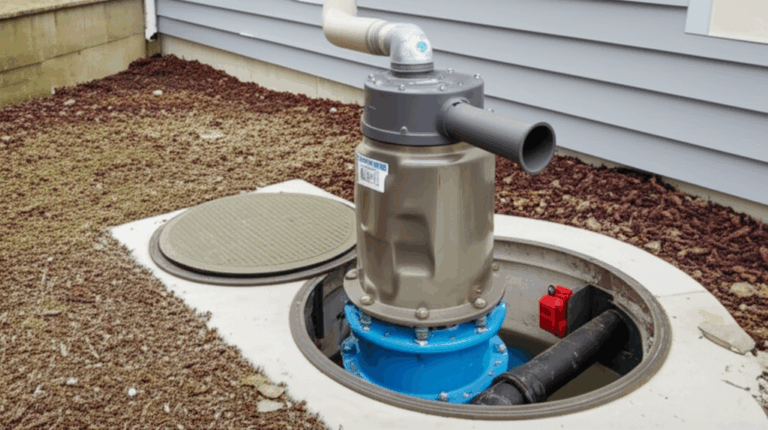
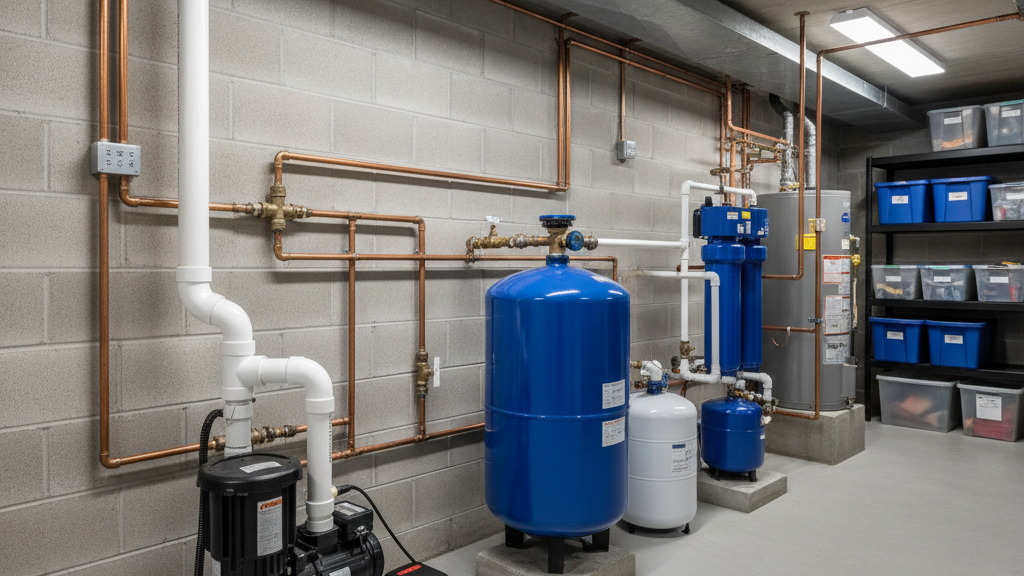
A reliable sump pump system starts with understanding each component and its critical role in flood prevention. At the heart of most systems is the sump pit, a specially constructed basin located at the lowest part of your basement floor. This pit collects excess water from foundation drains or groundwater seepage before it can pool and cause basement flooding. Choosing the right pit size and material is important; it should be large enough to handle surges of water during storms, yet sturdy to withstand years of use without breakdown or leaks.
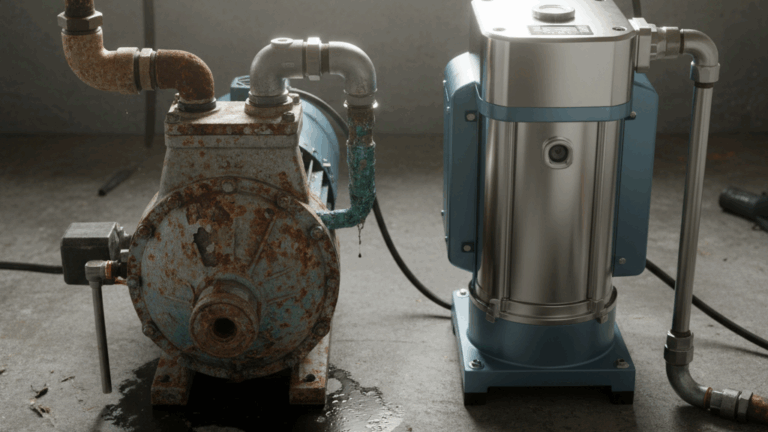
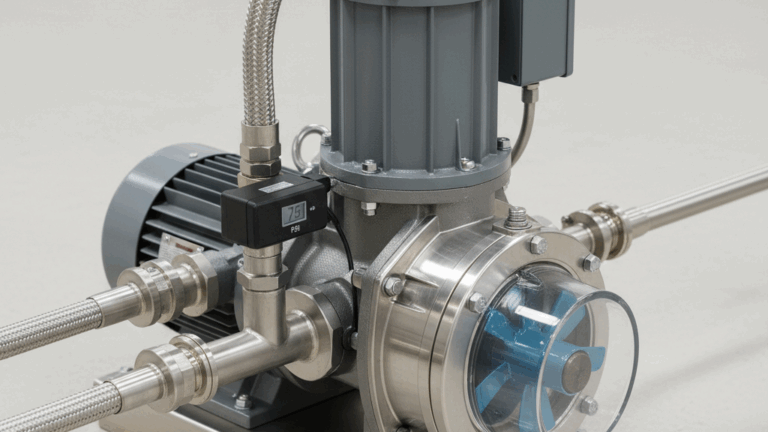
The pump itself is the system’s workhorse, automatically activating when water levels rise in the sump pit. Submersible sump pumps are popular for their efficiency and quiet operation, while pedestal pumps can also be effective in areas where the pit might be shallow or space is limited. Both pump types should be installed with a dedicated power source and a reliable check valve to prevent water from flowing back into the pit after it’s been pumped out. During the installation process, it’s crucial to use proper plumbing materials that resist corrosion, as water and moisture exposure can gradually cause leaks or premature breakdown of poorly chosen components. For added peace of mind, many homeowners opt for a backup pump system. Battery-powered or water-powered backups automatically take over if the primary system fails during an emergency or power outage. This kind of redundancy is essential in areas prone to flooding or severe storms.
Effective installation doesn’t stop at placement. Professionals focus on sealing all plumbing connections, ensuring that discharge lines direct water far away from the building’s foundation. Regular inspection after pump install is also indispensable; look out for debris in the pit, signs of leaks, or alarms from backup systems signaling issues. Preventive sump pump maintenance, including annual service checks and timely repair or replacement of aging components, greatly extends the lifespan of the system and ensures it operates flawlessly when you need it most. For guidance on choosing pumps, reputable manufacturers, or specialized waterproofing solutions, visit Pump Professionals’ recommended pump manufacturers. Taking these steps means not only protecting your home from immediate water and flood damage, but also investing in a reliable, long-term basement waterproofing solution that saves you significant money on repairs over time.
Choosing Between Sump Pumps and Other Basement Waterproofing Methods
When safeguarding your basement from flooding, the choice between sump pumps, French drains, and state-of-the-art waterproofing systems matters greatly for both immediate and long-term results. With water intrusion leading to mold, costly repairs, and recurring basement leaks, understanding the pros and cons of each waterproofing approach is essential. This comparison delves into how sump pump systems measure up against alternative options like French drains and advanced basement waterproofing, giving you the knowledge to select the right solution. We’ll also highlight factors such as installation complexity, effectiveness in flood prevention, repair needs, and how each system supports leak detection and ongoing maintenance.
Comparing Sump, French Drains, and Advanced Basement Waterproofing Options
Choosing the right basement waterproofing method isn’t just about picking one system or another; it’s about finding a customized solution that meets your unique needs and environment. Sump pumps are often considered the first line of defense against basement flooding. They work by channeling water into a designated pit before pumping it safely away from your home. Well-installed sump systems keep your basement dry during storms, major leaks, or sudden plumbing problems. These pumps require regular inspection, timely repair, and sometimes the installation of backup systems to ensure reliability during emergencies or power outages. With innovations in sump pump technology, such as more robust backup pumps and advanced leak detection features, modern sump systems are more effective than ever at preventing water damage, costly mold outbreaks, and the need for untimely replacement services.
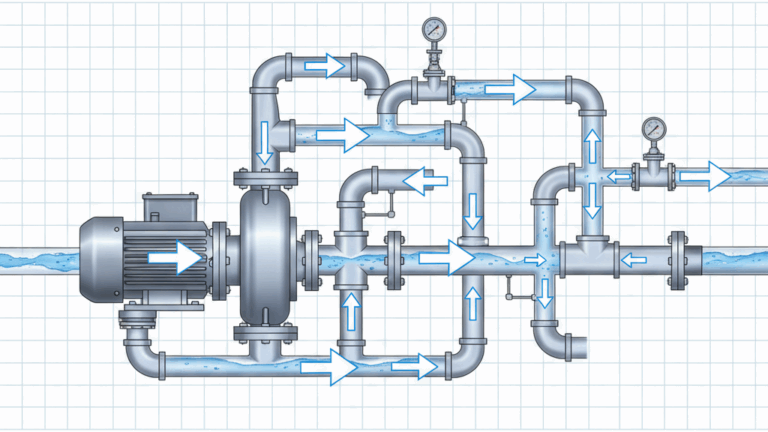
French drains provide a different approach to flood prevention by redirecting groundwater away from your foundation before it can enter the basement. They’re typically installed along the perimeter of your basement or yard, using a perforated pipe layered with gravel to capture excess water. While French drains are effective for managing groundwater, their installation can be more invasive, sometimes requiring significant excavation. Regular maintenance is key too; clogged pipes or debris buildup can undermine their efficiency, leading to unexpected leaks and possible water damage. Advanced basement waterproofing systems, on the other hand, often combine sump pumps, French drains, and specialized waterproof coatings or membranes to deliver comprehensive protection. These advanced setups prioritize not just immediate removal of water but also long-term moisture management, mold prevention, and structural safety. Installation of these integrated systems usually involves a detailed assessment by waterproofing professionals, with services including leak detection technology, tailored repair strategies, and upgrades for higher-risk basements.
When comparing all options, it’s vital to consider the unique water and flooding risks specific to your property, as well as your tolerance for ongoing maintenance and emergency preparedness. Sump pumps have proven indispensable in disaster scenarios, especially when paired with backup solutions. French drains excel in properties with high groundwater tables or persistent exterior leaks. Advanced basement waterproofing ties multiple methods together for superior defense. Investing in a robust system not only prevents water intrusion and mold but also preserves your home’s value and peace of mind. For guidance with system design, pump installation, and ongoing repair or replacement service, connecting with a plumbing or basement waterproofing specialist ensures your investment delivers reliable, lasting protection. As you evaluate your options, it’s important to keep several critical factors in mind to ensure lasting results.
- Type and extent of existing basement moisture issues
- Your budget and long-term maintenance costs
- Local climate and groundwater conditions
- Compatibility with your foundation type and structure age
- Quality and reputation of waterproofing products and contractors
- Warranty coverage and service guarantees offered
- Potential for future basement finishing or renovations. By carefully weighing these considerations, you’ll be well-equipped to choose the most suitable waterproofing solution for your home.
Downloadable Checklist: Maintaining Your Sump for Reliable Flood Protection
Protecting your basement from flooding begins with proactive maintenance of your sump pump system. Even the best pumps require routine inspection and service to keep water at bay and prevent emergency repairs that can become costly. This essential downloadable checklist covers all maintenance tasks, from sump pit cleaning to system backup testing and leak detection. It outlines critical inspection steps and repair triggers to maximize the lifespan and efficiency of your basement waterproofing. Learn how regular plumbing service, timely pump replacement, and comprehensive checks on every system component collectively fortify your home against mold, leaks, and water emergencies.
Seasonal Sump Pump Maintenance Steps Every Basement Owner Should Know
Consistently reliable flood protection starts with an effective maintenance routine for your sump pump system, especially as seasons change. Each spring and fall, homeowners should schedule a comprehensive inspection to check every aspect of the system, beginning with the sump pit. Remove any debris, dirt, or small stones from the pit that might hinder the pump’s ability to move water efficiently. Next, inspect the pump itself for wear, corrosion, or cracks, as these warning signs often signal that a repair or eventual replacement may be necessary. Regularly examining both the primary and backup pumps ensures your system won’t fail during a heavy storm or a sudden plumbing emergency. Make sure to run a test cycle by pouring a bucket of water into the pit to see if the pump activates, drains water properly, and automatically shuts off as designed. If your system includes a backup, confirm it activates seamlessly, whether battery-powered or using a water-driven mechanism. Leaks anywhere along the discharge pipe, pit, or pump housing must be addressed immediately to prevent water from escaping back into your basement, leading to flooding and potential mold growth. Each maintenance session is also a chance to inspect electrical connections and power sources, as faulty wiring or tripped breakers can render your pump useless during an emergency. Don’t forget about waterproofing elements around the pit or along basement walls: signs of persistent dampness or a musty smell often indicate the need for additional service or a more robust water barrier. Checking the operation of leak detection devices is another intelligent step; they serve as early alarms to basement flooding before damage sets in. Finally, always document your maintenance activities using a simple checklist and keep a record of professional service, repairs, or replacement work performed. This documentation helps you anticipate future plumbing needs and signals when a full system inspection or upgrade might be required. Regular maintenance doesn’t just prevent breakdowns, it protects your investment by extending the life of your sump system, providing peace of mind that your basement remains safe from leaks, water, and mold, no matter what the weather brings.
Proactively installing and maintaining an effective pump system in your basement is one of the smartest investments you can make for your home’s protection. By preventing water damage before it starts, you avoid costly repairs, safeguard your property’s value, and ensure a healthier living environment. Don’t wait for flooding to cause unnecessary stress; take the right steps now to secure your basement and your peace of mind. A properly chosen and professionally installed pump system truly pays for itself by saving you thousands in potential repair costs and keeping your home safe year-round.
FAQs
Why is a sump pump system important for basement flood prevention?
A reliable sump pump system actively prevents basement flooding by collecting and pumping excess water away from your home’s foundation. This helps avoid water damage, mold growth, structural issues, and saves you from costly repairs or renovations after a flood. A proper system, when professionally installed, offers long-term protection and peace of mind.
What causes basement flooding and how can I detect leaks early?
Basement flooding can result from surface water entering through foundation cracks, hidden plumbing leaks, sewer backups, or inadequate drainage. Early leak detection is crucial; regular inspections by professionals and installing leak detection devices can help identify issues before they escalate into major flooding or persistent dampness.
What are the differences between sump pumps, French drains, and advanced waterproofing systems?
- Sump Pumps: Actively remove water from a sump pit, ideal during storms and plumbing leaks.
- French Drains: Redirect groundwater away from the foundation and are effective for managing exterior moisture.
- Advanced Waterproofing: Combines pumps, drains, and moisture barriers for comprehensive protection and mold prevention.
The best solution depends on your home’s risks, the water table, and the need for long-term moisture management.
How often should I maintain my sump pump system?
You should inspect and maintain your sump pump system at least once a year, ideally every spring and fall. Maintenance includes cleaning the sump pit, checking the pump and backup system, testing power sources, looking for leaks, and ensuring discharge lines are clear. Document each maintenance session for future reference.
What backup options are available for sump pump systems?
Battery-powered and water-powered backup pumps automatically take over if the primary pump fails or during power outages. These backups are essential in areas prone to severe storms or frequent power disruptions, ensuring your basement remains protected at all times.