24 X 7 online support
  Contact Us Free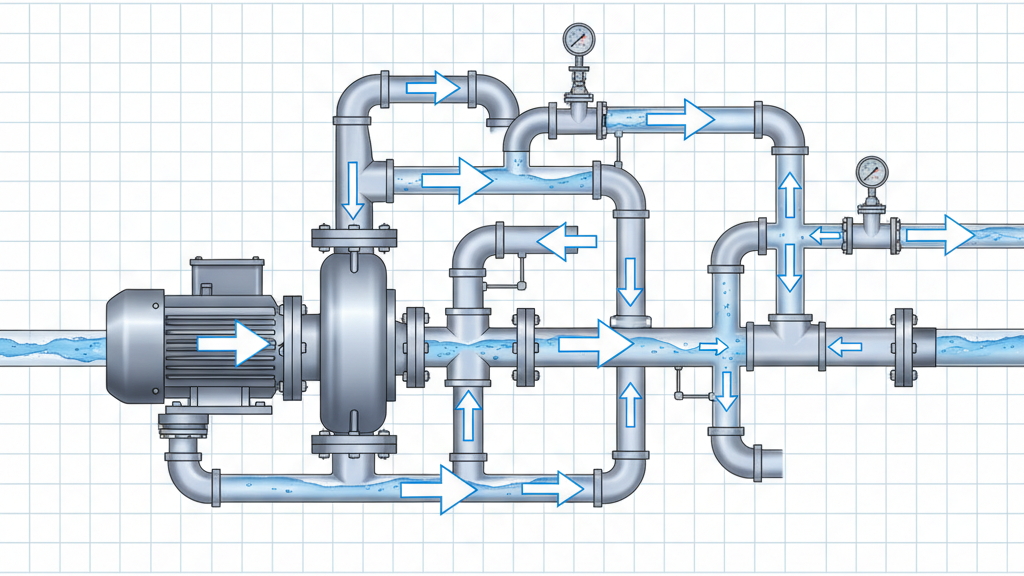
How to Choose the Right Pump Size for Your Home or Property: Pump Sizing Guide
Choosing the correct pump size for your home or property is crucial to ensuring reliable water supply, energy efficiency, and long-term system durability. With countless options and technical factors to consider, selecting the ideal pump can seem overwhelming. This practical guide breaks down the key considerations and expert tips you need to confidently determine the right pump size for your specific needs, whether for irrigation, household water pressure, or specialized applications. Learn how proper pump sizing boosts performance, saves money, and protects your investment in any residential or commercial setting.
Key Highlights
- Proper pump sizing is vital for efficient water supply, system reliability, and energy savings in any residential or commercial property.
- Key considerations include flow rate, required pressure, static head, friction losses, and future water demand expansions.
- Matching design flow and pressure at the system’s design point prevents costly oversizing or damaging undersizing issues.
- Choosing the correct pump type—submersible, sump, effluent, or backup—ensures suitability for specific household applications and challenges.
- Expert guidance, reliable sizing charts, and correct installation safeguard long-term performance, protection, and peace of mind.
Understanding Pump Sizing Basics for Residential Needs
Choosing the right pump size for your home or property is critical for ensuring an efficient, reliable water supply. Many homeowners overlook the importance of proper pump sizing, which affects everything from water pressure to energy consumption. This overview explores what influences pump sizing for household systems, why flow rate and pressure matter, and essential concepts like design flow, pump size, static head, and loss. Gaining clarity on these basics is the foundation for designing a system that delivers optimal water flow and meets the specific demands of your home. Let’s break down the essentials for achieving efficiency and long-term performance.
How to Size a Home Pump for Optimal Efficiency
Properly sizing a pump for your home ensures you’ll have the water pressure and flow rate needed, without wasting energy or causing unnecessary wear on your pump system. The first step in pump sizing is understanding the difference between design flow and design point. Design flow refers to the maximum gpm (gallons per minute) your household will require at peak demand, such as when multiple water outlets operate simultaneously, think of showering, running the dishwasher, and watering your garden all at once. Calculating this demand requires evaluating all water fixtures and their possible simultaneous use, which sets the groundwork for selecting your pump’s flow rate.
Next, consider pressure requirements, as your home’s system needs enough pressure to deliver water to every outlet efficiently. Measuring static head, the vertical distance from the water source to the highest fixture, and accounting for friction loss (caused by pipe length and diameter) are crucial. These values help determine the total head your pump must overcome. When you match design flow to the correct pressure, you’ll reach the optimal design point for your system.
Efficiency’s also a major factor in selecting your pump. Oversizing leads to higher energy bills and reduced pump life, while undersizing causes interruptions to water delivery. The right pump size will balance flow, pressure, and energy use for peak performance. Use reputable pump sizing charts and calculators, or turn to trusted professionals like pump system experts for data-driven guidance. By prioritizing precise sizing, you’re setting your system up for long-term reliability, minimal maintenance, and superior water delivery for all your household needs, making your choice truly optimal and future-proof.
Key Factors to Consider When You Choose the Right Pump
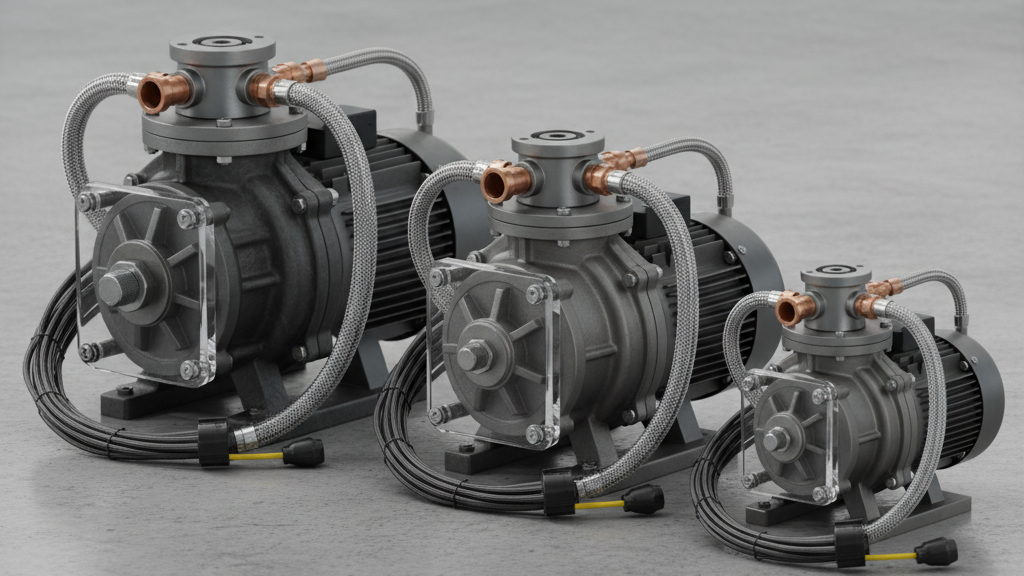
Making the right choice for your pump means evaluating a range of key factors that impact performance, efficiency, and the long-term success of your property’s water system. You’ll need to look closely at flow rate, pressure requirements, and the actual demands of your home to align your pump size to your needs. It’s essential to consider not just the design flow and design point, but also how static head, friction head, and total equivalent length of piping affect your system. With these variables in mind, you can select a pump that works harmoniously with your water needs, ensuring consistent pressure and reliable service.
Matching Flow Rate and Pressure to Your Property’s Demands
When you’re selecting your pump for your home, matching the flow rate and pressure to your property’s exact demands is absolutely crucial. The flow rate, usually measured in gallons per minute (gpm), indicates how much water your pump can deliver at once. But it’s not only about maximum flow, the design flow must fit real usage scenarios. Think about every way water is used on your property: from showers and sinks to irrigation systems and washing machines. To truly choose the right pump size, you’ll need to tally the total flow required when multiple fixtures are running. That’s your true system demand and sets the baseline for pump sizing.
Pressure requirements are another key part of the equation. Too little pressure won’t get water where it’s needed, like that top-floor shower or a garden hose far from the source. Too much, however, can strain your pipes and system. Accurately accounting for static head, the vertical distance water must travel, and friction head, which arises from water moving through pipes with various lengths and fittings, gives you a realistic picture of the total head your pump will face. Using the concept of total equivalent length, including fittings and bends, helps ensure your calculations reflect real-world conditions. Calculating pressure requirements this way allows you to establish the design point, a sweet spot where your pump provides sufficient flow at the needed pressure for peak demand.
Matching flow and pressure isn’t just about meeting current needs, either. Consider any future expansions to your home, like an added bathroom or outdoor irrigation. Your pump system should be sized to accommodate both present and projected demands without being oversized, which would waste energy and reduce efficiency. Smart pump sizing means factoring in all these demands, referencing reputable pump sizing charts or using a pump sizing calculator to fine-tune your selection. Accurately matching flow rate and pressure requirements will ensure your pump system operates reliably, efficiently, and meets your property’s water delivery challenges now and in the years to come.
Determining the Correct Pump Size for Your Water System
Determining the correct pump size for your water system is the key to achieving reliable water flow, balanced pressure, and long-term efficiency in your home or property. Getting pump sizing right isn’t just about picking a pump off the shelf, it’s about understanding your system’s design point, including the total flow, pressure, static head, and friction head. Beyond calculated numbers, you must also consider the pump’s compatibility with various types of household pumps and their unique benefits. Comparing pump types such as submersible, sump pump, sewage, heat pump, and backup systems helps ensure you install the optimal solution for each water-related challenge your property may face.

Comparing Different Types of Pumps for Household Applications
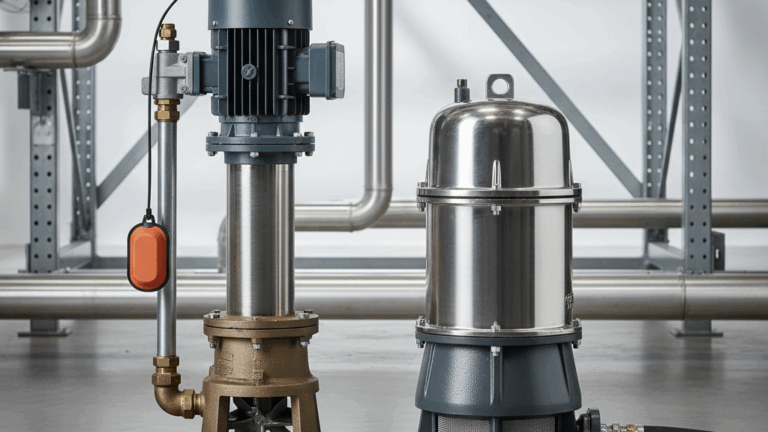
When determining the correct pump size for your water system, it’s crucial to evaluate a range of pumps designed for different household applications. Pump sizing goes far beyond basic flow and pressure demands; it hinges on the type of pump system you install, the nature of the water being handled, and the specific operational requirements. Common pump types used in household systems include submersible pumps, sump pumps, effluent and sewage pumps, as well as specialized heat pumps and backup pumps. Each of these has strengths matched to certain tasks, so understanding their differences helps ensure optimal sizing, reliability, and efficiency for your home.
Submersible pumps are often the top choice for wells and deep water applications. By sitting directly in the water, a submersible pump reduces loss due to suction lift and handles varying static head and friction head effectively. Their design delivers consistent pressure and high gpm (gallons per minute), making them ideal for households with significant water needs distributed across multiple outlets. By sizing your submersible pump to match the system’s total demand, you gain efficiency and dependable flow for showers, laundry, irrigation, and more. Sump pumps, by contrast, are designed for removing water from basements or crawl spaces; sizing here is based less on pressure and more on total gpm required to prevent flooding during storms or rapid water ingress.
Effluent and sewage pumps serve unique roles where waste or partially treated water must be moved efficiently. Unlike clear-water pumps, they’re engineered to deal with solids and viscous liquids, making the right pump size critical for preventing backups or clogs. Many systems also incorporate a backup pump for redundancy, along with a float switch for automatic operation based on water level. Sizing both the main and backup pumps to handle worst-case scenarios, using design point calculations that factor in static head, friction loss, equivalent length of piping, and required gpm, ensures your system remains functional even under peak loads. A well-chosen heat pump may also integrate with the household water system, requiring careful pump sizing to maintain both water flow and precise pressure for heating or cooling.
The pump you choose doesn’t just impact performance; it shapes long-term maintenance and energy costs. Comparing pump types and understanding their unique applications is vital as you select the best fit for your water system. For deeper technical insights or specific pump recommendations, checking resources like the Pump Manufacturers Directory can point you toward the latest in pump design, sizing charts, and technology. By taking a comprehensive approach to determining pump size, factoring in each pump type’s role, flow requirements, loss, static and friction head, and household needs, you’ll build a pump system that stands up to daily demands and unexpected events alike, ensuring efficiency and peace of mind.Before making your final decision, keep the following key considerations in mind to ensure you select the most suitable pump for your household needs:
- Assess your household’s daily water consumption to determine the required pump capacity and flow rate.
- Check the water source depth and distance to choose a pump with adequate suction and pressure capabilities.
- Consider energy efficiency to minimize ongoing electricity costs and reduce environmental impact.
- Evaluate the pump’s noise level, especially if it will be placed near living areas.
- Choose a model made from durable, corrosion-resistant materials for longevity and reliability.
- Look for pumps with built-in safety features like thermal overload protection or automatic shut-off.
- Ensure compatibility with existing plumbing systems and local water regulations. With these practical tips in mind, you can confidently select a pump that balances performance, efficiency, and long-term value for your home.
Sump Pump Sizing and Installation Tips
Selecting the right sump pump size for your household isn’t just about avoiding basement flooding; it’s about customizing your entire system for reliability and efficiency. Start by identifying the maximum water volume your sump might encounter during extreme conditions, like heavy storms or rapid snowmelt. Sizing a sump pump involves calculating the inflow rate to your sump pit (gallons per minute) and matching it to a pump that’s powerful enough to evacuate water before the sump fills. If the sump pump is undersized, it won’t keep up with inflow, risking water damage. Conversely, an oversized pump can cycle too frequently, which adds wear and reduces lifespan. Always check your manufacturer’s charts for guidance on matching sump pit size, system demands, and pump capacity.
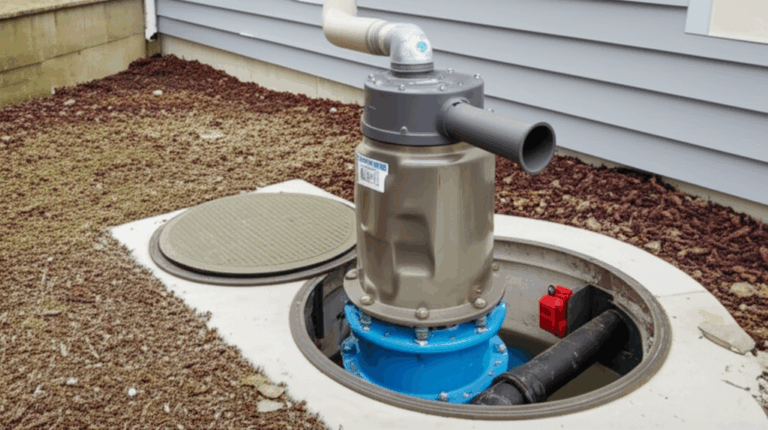
Submersible sump pumps are common in household installations because they sit directly in the water, making them ideal for pits below the basement floor. Consider models with a reliable float switch, which activates the system when water in the sump rises to a certain level. For extra security, an effluent pump or a backup pump, either battery or water-powered, can safeguard against power outages or pump failure. Installing a backup next to your main sump pump gives peace of mind during storms, when system redundancy is crucial. When planning installation, set the float switch adjustment high enough so the pump doesn’t cycle too often but low enough that water doesn’t overflow the sump.
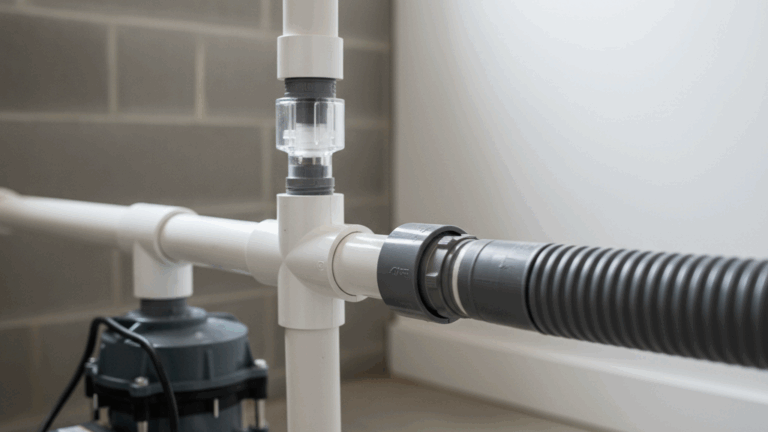
Sump pump installation tips emphasize correct placement and secure connections. Ensure the discharge pipe is sloped away from your property to direct water safely. Test your sump pump system regularly, especially after initial installation or if your household has seen increased water or changes to the sump. Always use high-quality pumps and components compatible with your existing water system for optimal longevity. Whether you’re dealing with routine groundwater or larger effluent volumes, following these sizing and installation tips delivers a sump solution tailored to protect your property and support your household’s long-term water management strategy.
Choosing the right pump size for your home or property is crucial for ensuring efficiency, reliability, and long-term savings. By carefully assessing your water needs, understanding system requirements, and consulting with pump experts, you can avoid common mistakes and make an informed decision. Remember, the right pump not only meets your immediate demands but also supports future needs and sustainability. Take the time to evaluate your options, prioritize quality, and invest in proper installation and maintenance to keep your water systems running smoothly for years to come.
FAQs
Why is choosing the correct pump size important for my property?
Selecting the right pump size ensures a reliable water supply, system efficiency, and long-term durability. An appropriately sized pump delivers consistent water pressure, saves energy, and reduces maintenance costs—protecting your investment and avoiding issues like poor performance or pump wear.
What key factors should I consider when sizing a pump for my home?
Major considerations include:
- Required flow rate (gallons per minute at peak demand)
- System pressure needs
- Static head (vertical distance water must travel)
- Friction losses from pipe length and diameter
- Future expansion of water demand
Balancing these ensures optimal pump performance and energy usage.
How do I calculate the required flow rate and pressure for my pump?
Determine the flow rate by adding up the maximum water use when all fixtures operate at once (e.g., showers, washing machine, irrigation). Assess required pressure by measuring static head—the vertical lift between the water source and the highest fixture—and factoring in friction head from pipes and fittings.
Design flow = Sum of gpm for all simultaneous uses
Total head = Static head + Friction loss
What are the risks of oversizing or undersizing my pump?
Oversizing a pump increases energy consumption, leads to pump short-cycling, and reduces lifespan. Undersizing can result in inadequate water pressure, system interruptions, and accelerated wear due to constant operation. Accurate sizing balances flow and pressure to maximize efficiency and reliability.
How do different pump types affect sizing and performance?
Each pump type suits specific applications:
- Submersible pumps: Best for wells—handle high static head and deliver strong pressure.
- Sump pumps: Remove water from basements; size based on maximum inflow rate.
- Effluent/sewage pumps: Move waste or treated water—must be sized for solids and flow.
- Backup pumps: Provide redundancy; size to handle peak scenarios.
Choosing the right type and size ensures reliability in your specific system.