 24 X 7 online support
  Contact Us Free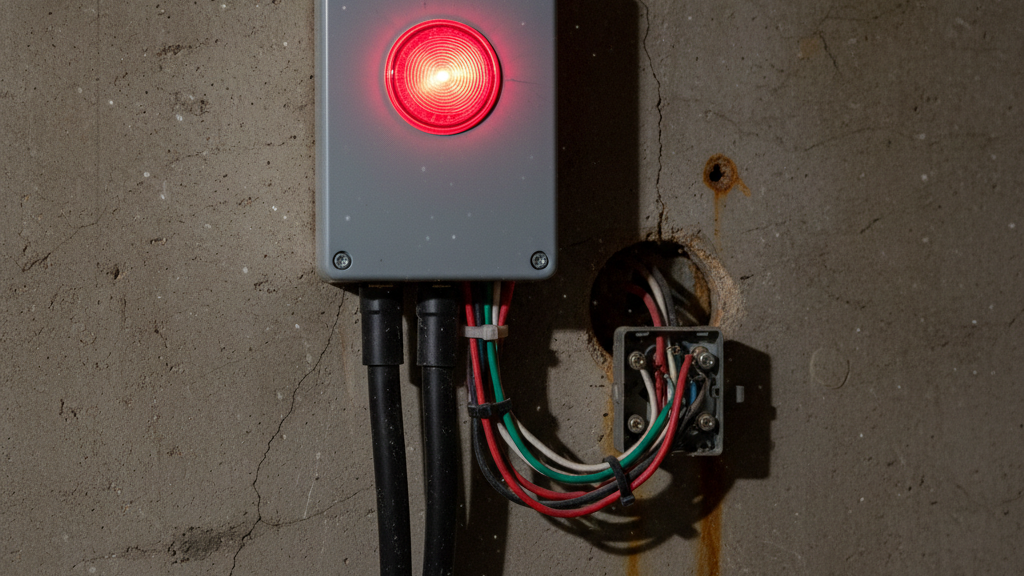
What to Do If Your Sump Pump Alarm Goes Off: Steps for When the Alarm Goes Off on Your Pump
Discovering your sump pump alarm sounding can be unsettling, especially if you’re unsure of the next steps. Your sump pump plays a vital role in protecting your home from water damage, and an alarm is an urgent signal that requires prompt attention. This guide explains exactly what to do when your sump pump alarm goes off, with practical, actionable steps to ensure your system functions properly and your home remains safe. Whether you’re a homeowner, landlord, or tenant, knowing how to respond quickly can prevent unnecessary damage and keep your property dry and secure.
Key Highlights
- Identify alarm triggers promptly to prevent basement flooding and minimize water damage risks.
- Check the power supply, backup battery, and system operation immediately when the sump pump alarm activates.
- Inspect and maintain float switches and sensors to avoid false alarms and ensure proper pump response.
- Utilize backup batteries during power outages to keep your sump pump fully functional in emergencies.
- Schedule regular inspections and professional maintenance to extend sump pump life and ensure reliable alarm performance.
Understanding Why Your Sump Pump Alarm Goes Off
When the sump pump alarm suddenly rings out in your home, it can be a source of immediate concern. The cause could range from rising water in your sump pit to issues with your pump, backup system, plumbing, or even the way your sump pump installation was completed. While an alarm typically signals high water or another issue requiring quick attention, understanding all the potential triggers is crucial for both preventing pump failures and dealing with basement flooding. Gaining insight into the system’s alarm features, maintenance needs, and emergency protocols will help you protect your basement from water damage more effectively. Exploring the most frequent causes behind pump alarm activation provides homeowners with the confidence to safeguard their property and decide when professional repair or service is truly necessary.
Common Causes Behind Sump Pump Alarm Activation
The moment a sump pump alarm pierces the quiet in your home, it’s a clear signal that something within the system demands your attention. High water levels in the sump pit rank among the most common reasons these alarms go off. When water rises faster than the sump pump can remove, possibly due to heavy rainfall or a plumbing issue, standing water can accumulate, triggering the alarm and alerting you to the risk of basement flooding. Sometimes, a malfunctioning pump is also to blame; the device may stop in the middle of operation, overwhelmed by excess water or a mechanical fault, leaving the backup system and the pump alarm as your last line of defense against flooding and water damage.
Other frequent culprits include the float switch becoming stuck or tangled, leading the alarm to activate even if the sump pump itself isn’t faulty. Faulty sensors, incorrect installation, or a dead battery backup can all interfere with the alarm system’s reliability. Homes with older sump pumps or without regular alarm maintenance may see the pump alarm go off more frequently due to sensor degradation or outdated technology. Improper setup or a lack of backup service often translates into unreliable alarm performance, especially during severe weather events when your home needs maximum protection. Water alarms and tank alarms in basement pump setups add an additional warning layer, but even these systems can sound erroneously if not checked regularly.
Not every alarm signals a full-blown emergency or flooding, but it’s always a warning to look for standing water, check for common sump pump issues, or assess the plumbing and backup. If you’re unsure about the installation quality or can’t trace the alarm’s cause, seeking professional repair or service from trusted resources like Pump Professionals is wise. Keeping your backup, sump, and main system maintained isn’t just good practice; it’s critical for protecting your basement and ensuring your alarm always does its job at the right time. With vigilance and expert guidance, you can stay ahead of sudden alarms and avoid costly water damage events.
Immediate Steps to Take When the Alarm Sounds
The moment your sump pump alarm goes off, quick action can mean the difference between a dry basement and costly water damage. Knowing exactly what to do helps reduce panic and maximize the effectiveness of your home’s protective systems. Begin by checking the power and verifying the sump pump is still operating efficiently. Power failures or interruptions are leading causes of pump failure, often leading to flooding. Assess your alarm, inspect connections to any battery backup or backup battery system, and be alert for beeping or signs of high water. Acting fast gives you the best chance to prevent service disruptions, initiate necessary repairs, and maintain basement safety.
How to Check the Power and Ensure Pump Functionality
When you hear your sump pump alarm for the first time or experience repeated alarms, start your emergency response by checking the power supply. Confirm that your home hasn’t suffered a power outage or electrical issue; many sump pumps rely exclusively on their dedicated electrical circuits. A quick scan of the control panel, the electrical outlet, and the breaker box can reveal whether you need to reset the system. Often, a tripped circuit may be responsible, causing the pump to shut down and triggering the alarm. If the power is flowing properly, listen for the pump’s usual operating noise. If it’s silent or you detect persistent beeping from the pump alarm, act as though your backup battery or battery backup system will need to carry the load.
High water in your sump pit is a leading cause for the alarm to go off, often caused by pump malfunction, plumbing failure, or a blocked discharge line. Quickly inspect the sump to see if the water is rising; if so, the pump may have stopped due to mechanical failure, requiring service or repair. Try to manually reset the alarm or the sump pump using the system’s designated reset buttons. Some advanced pumps and alarms will indicate specific error codes, helping you identify if you’re dealing with an issue in the main pump, the backup system, or the alarm itself. Addressing these alerts promptly protects your home from basement flooding, which can escalate into severe plumbing problems and extensive water damage if ignored.
If your system includes a tank alarm or a secondary water alarm, check if these are also beeping or flashing. These backup alerts often reinforce the urgency of an alarm event, especially if your main sump pump isn’t running but water continues to rise. Assess any visible wiring or connections between your pump, backup battery, and alarm; loose or corroded cables can interrupt power to the pump or compromise the entire backup system. Even if you restore power and the alarm stops, keep monitoring for new alarms, unusual noises, or signs that the pump stops prematurely. Record any irregularities and consider contacting a plumbing or pump repair professional if you’re unsure about the next step or if a reset doesn’t resolve the issue. Ensuring every component, including the sump pump, alarm, battery backup, and overall system installation, is operational helps you stay ready for the next storm and minimize the risk of unexpected flooding and repair costs.
Inspecting the Float Switch and Addressing Faulty Sensors
After checking your sump pump’s power and confirming its operation, the next vital step is to thoroughly examine the float switch and identify any faulty sensors. The float switch is a critical component responsible for detecting rising water within your sump pit; it cues the pump to activate before water levels become hazardous. If the switch gets stuck, tangled, or obstructed by debris, it can trigger a false alarm, causing the sump pump alarm to sound even if there’s no immediate risk of flooding. Gently lift and lower the float to see if the pump responds. If the pump remains silent or the alarm persists, a jammed float switch may be at fault, or it could signal a build-up around the mechanism that needs prompt cleaning or repair.
Faulty sensors within your system can also lead to nuisance alarms or, worse, cause the system to miss legitimate high water warnings. These sensors may age, degrade, or suffer from electrical issues, especially if your backup system or battery backup is older or hasn’t received regular service. Regularly inspecting sensor connections, cleaning any corrosion, and ensuring the wiring is secure is essential for reliable alarm operation. If either the float switch or tank alarm sensors aren’t calibrated correctly, or if there’s moisture infiltration near wiring, the system may not reset properly, making your basement vulnerable to water damage or flooding during heavy water events.
Should you find the float switch or pump alarm remains unresponsive after a manual reset, consider the need for a professional repair or even an updated installation for your sump pump system. Ensure your backup battery is charged and test your backup system by manually raising the float switch while observing pump response and alarm status. Swiftly addressing any issues with the float switch, faulty sensors, or wiring preserves your home’s flood defenses, keeps your alarm and pump working as designed, and reduces the risk of unexpected water emergencies in your basement. Don’t wait for the next alarm to put your backup, pump, or plumbing systems to the test; proactive service and inspection now could spare you extensive water damage later.
Managing High Water and Preventing Water Damage
High water in your sump pit is always a serious warning sign, especially if your sump pump alarm is beeping or flashing in the middle of a storm. When the alarm goes off, you need to act fast; waiting can lead to standing water, plumbing issues, and ultimately costly water damage to your basement. The risk of flooding is highest when your main pump stops working or the battery backup is low, so ensuring the integrity of your entire system is essential. From reliable pump alarm service to keeping a backup battery ready, understanding these measures not only prevents flooding but can also safeguard your home’s foundation and long-term value.
How a Backup Battery Can Help During an Alarm Event
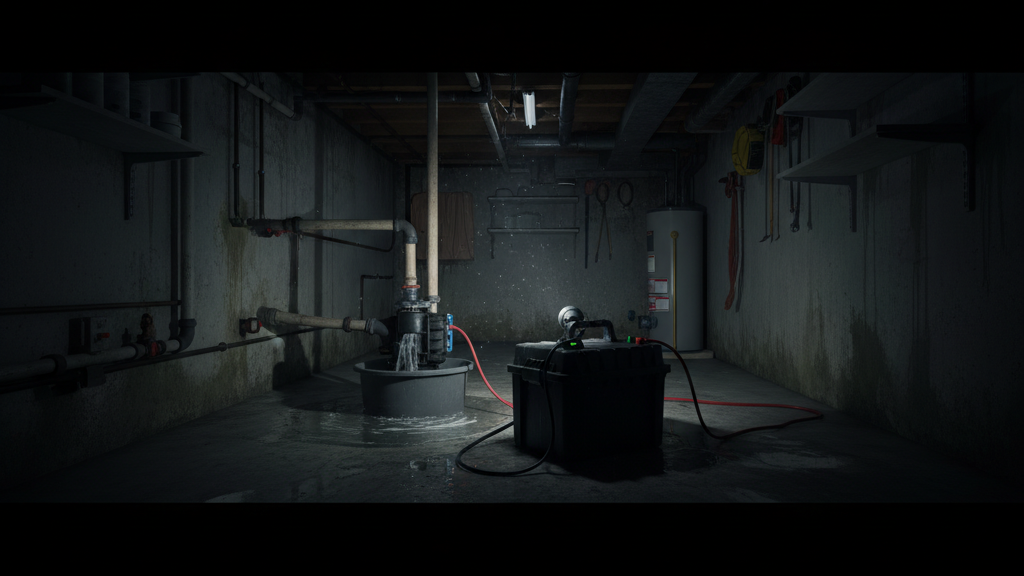
When your sump pump alarm goes off signaling a high water event, your response window is short, especially if the primary pump loses power. Heavy storms or electrical outages can stop your main pump, leaving your basement at risk for water damage, standing water, and even foundation issues. This is where a backup battery becomes indispensable. Battery backups and complete backup systems are designed to keep your sump pump running even when your home’s power is down. If your pump’s power is interrupted, the battery backup seamlessly takes over, driving the pump and keeping high water at bay. Many modern systems will also sound the pump alarm or trigger the water alarm to alert you if the main power supply fails, so you’re not caught off guard by flooding.
A reliable backup battery protects your basement from flooding during sudden power outages, which are frequently timed with heavy rainfall and rising water tables. If your basement relies solely on a primary sump pump without a backup system, you’re gambling with potentially catastrophic water damage. Routine service and inspection of both your primary and battery backup systems is critical; don’t wait for the alarm to force you into emergency repair mode. Periodically reset and test your pump alarm and float switch to confirm both can operate under backup power. If the alarm goes off and water keeps rising, inspect all connections between the pump, float switch, and backup battery; sometimes a loose cable or an undercharged battery is all that stands between your home and extensive flooding. For more on quality components and trusted brands, review your system against options from this comprehensive manufacturer resource.
Standing water is more than just a nuisance; it’s a warning that your basement’s plumbing and sump pump alarm system needs attention. Consistent care ensures your alarm, backup battery, and pump installation are always ready. Relying on a backup system means you avoid panicking when an alarm sounds; you simply reset, verify the backup is active, and trust that your home’s defenses are working. Professional installation, regular repair, and knowing when to service your sump pump and alarm system form a safety net that shields against recurring high water and the headaches of repeated basement flooding. By taking alarm events seriously and maintaining your battery backup, you proactively protect your home from severe water damage, no matter when or why that alarm goes off. Certainly! Here’s a prompt that fits your requirements: A few simple maintenance strategies can go a long way toward ensuring your sump pump backup battery system works when you need it most.
- Test the backup pump and alarm system monthly by pouring water into the sump pit.
- Inspect battery terminals for corrosion and clean gently if buildup is present.
- Check battery water levels quarterly (for non-sealed batteries) and top up with distilled water when needed.
- Keep the battery and pump area clean and free from debris or storage items.
- Verify that the battery charger is plugged in and functioning at every inspection.
- Replace the backup battery every 3–5 years as recommended by the manufacturer.
- Record all maintenance checks and battery replacement dates for easy reference and warranty support. By following these steps, you help protect your home from unexpected water damage and keep your sump pump system dependable year-round.
Dealing with a Tank Alarm in Basement Pump Systems
Tank alarms play a crucial role in comprehensive basement sump pump systems by providing early warnings for potential high water scenarios and offering a backup alert layer, especially in environments where basement flooding or sump failures are possible. The tank alarm is designed to detect elevated water levels via its float switch or sensor; when triggered, the alarm goes off, indicating there’s an urgent issue with the system or water is rising faster than the primary pump can handle. In homes where the sump pump alarm triggers, the tank alarm often serves as an extra safeguard, helping prevent water damage before it escalates into severe flooding or plumbing issues.
When your tank alarm sounds, particularly in combination with the sump pump alarm, it’s a sign to inspect the system’s operation immediately. First, check if the primary pump is running and the float switch is unobstructed, ensuring neither the main nor backup system is compromised. If the backup battery or automatic backup system is in place but fails to activate, you could face increasingly high water that quickly overwhelms the sump. Visually inspect the pump, alarm sensors, and electrical connections for any visible damage or disconnections, and confirm that the battery backup is fully charged. It’s also a good practice to reset the alarm and test the entire sump pump system to guarantee each component works harmoniously, especially after recent installation or repair service.
Ignoring a tank alarm or frequent pump alarm signals can lead to significant home water damage and expensive basement repairs. Regular service, professional repair, and routine testing of both sump pumps and alarm systems can greatly reduce emergency events. If you’re unsure about your sump pump or tank alarm’s reliability, or if the alarm goes off repeatedly despite resetting, reach out to a trusted plumbing expert or installation service for thorough diagnostics. Preventing basement flooding is as much about proactive maintenance as it is about reacting effectively when your pump alarm or tank alarm activates. With well-maintained backup systems, float switches, and alarms, you can protect your basement and home from the catastrophic repercussions of unexpected flooding.
Essential Alarm Maintenance Tips for Homeowners
Maintaining your sump pump alarm, pump, and the surrounding system is essential for any homeowner looking to avoid water damage, costly repairs, and basement flooding. Start your routine by visually inspecting the pump alarm and associated wiring in your sump pit every few months, especially after heavy rainfall. Dust, debris, or moisture can lead to corrosion and impact your alarm’s reliability, and unchecked buildup on the float switch might trigger false alarms or interfere with the pump’s response to rising water. Testing the alarm by manually lifting the float switch ensures the alarm activates as intended and your sump pump reacts promptly, minimizing the risk of high water accumulating in your basement. Always listen for any alarm tones signaling system distress, and don’t disregard buzzing or beeping, even if no water is visible.
Routine service of your backup battery and backup system is just as important. A backup battery must be tested monthly; a degraded or uncharged battery backup can render your entire system useless during a power outage, often when heavy rain threatens your home’s safety the most. Swap out batteries according to manufacturer guidelines, and always keep spares on hand for emergencies. If your pump has a backup system with a dedicated alarm, verify its response by simulating a primary pump failure, which means disconnecting power to the main pump to ensure the backup system and alarm both engage and that water is properly managed. Keeping every alarm functional, whether it’s for the sump, backup, or tank, is the only way to secure your home against sudden flooding events.
Professional repair and installation services can prolong the lifespan of your sump pump alarm system. If you notice your alarm repeatedly going off without cause, call a plumbing expert to inspect for faulty sensors, improper installation, or wiring issues. Investing in regular maintenance, whether you arrange it annually or biannually, reduces emergency callouts and ensures your sump pumps and alarm are ready for severe weather. Don’t forget to reset your alarm system after every test or battery change, maintaining a documented schedule so you’re always prepared. Proactive attention, combined with high-quality service, timely repair, and reliable backup systems, provides robust protection for your home, especially in areas prone to high water or basement flooding. With the right maintenance habits, you’ll safeguard your home, system, and peace of mind every time an alarm goes off.
By knowing exactly how to respond when your sump pump alarm sounds, you can protect your home from costly water damage and keep your basement dry. Taking immediate action, performing routine checks, and understanding your sump system ensures you’re always prepared for emergencies. If you’re ever unsure or the issue persists, don’t hesitate to call a professional for expert help. Staying vigilant and proactive with your sump pump can make all the difference for your home’s safety and your peace of mind.
FAQs
What should I do when my sump pump alarm goes off?
Immediately check for standing water in your basement and identify the alarm trigger. Verify the power supply, inspect backup batteries, and ensure the sump pump is operating. Act quickly to prevent flooding and minimize potential water damage.
What commonly causes a sump pump alarm to activate?
Frequent triggers include:
- High water levels in the sump pit
- Power failures or tripped circuits
- Malfunctioning pumps
- Stuck or obstructed float switches
- Faulty sensors or wiring
- Installation problems
- Dead or weak backup battery
How can I maintain my sump pump alarm and backup system for reliability?
Regularly inspect the pump, alarm, float switch, and wiring for dust, debris, and corrosion. Test the alarm by lifting the float switch, check backup batteries monthly, and replace as needed. Schedule professional maintenance at least annually for best results.
Why is a backup battery important for my sump pump?
A backup battery powers your sump pump during electrical outages—situations that often coincide with heavy storms and high water risk. Without a backup system, your basement may flood when power fails. Always keep batteries charged and tested.
When should I call a professional for my sump pump alarm?
Contact a professional service if:
- The alarm continues despite resets
- There is unexplained standing water
- You suspect faulty sensors or wiring
- The system is old or poorly installed
- You’re unsure about the problem’s cause
Prompt professional help reduces the risk of severe water damage.